Meet the 2021 Leadership Honorees
Estos premios reconocen a los líderes que han tenido un impacto significativo en la mejora de los resultados para los niños y las familias y en la construcción de Comunidades de Esperanza en todo Estados Unidos.
Seleccione la foto a continuación para obtener más información sobre los homenajeados de este año.
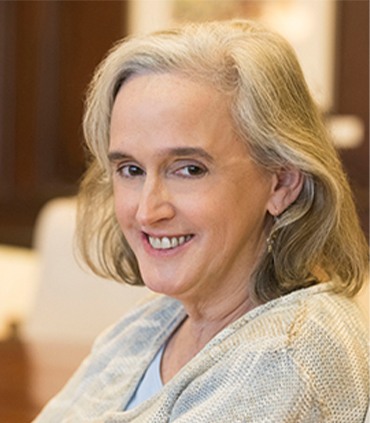
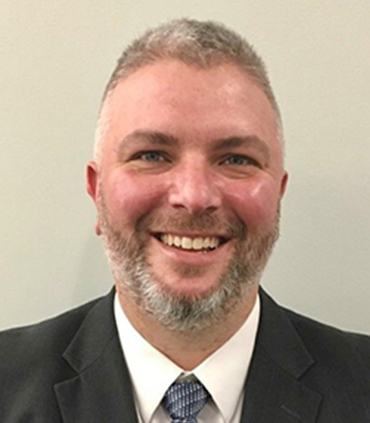

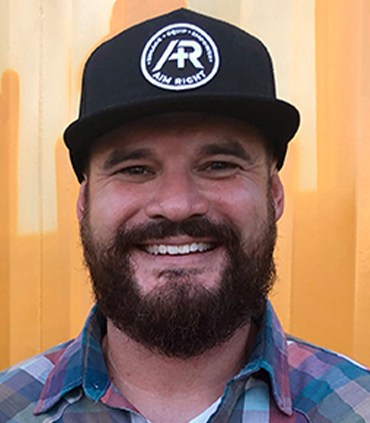
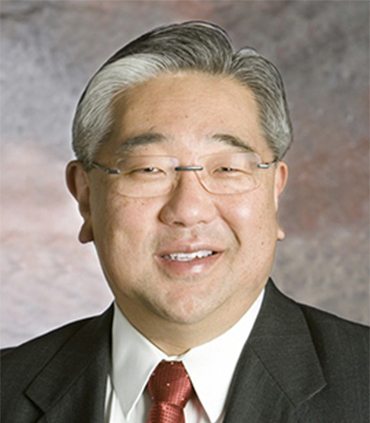
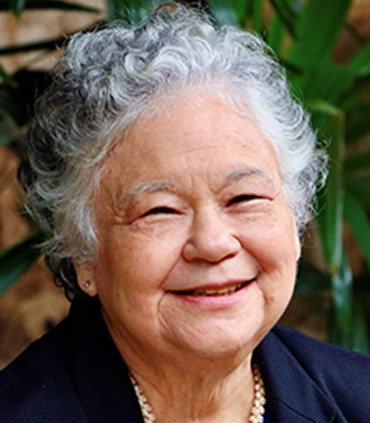
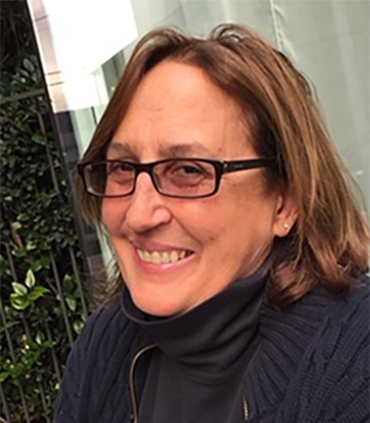
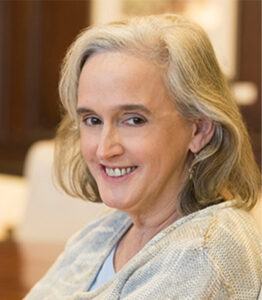
Tracey Quillen Carney
First Lady Tracey Quillen Carney has an unwavering commitment to empowering and giving voice to Delaware’s children. Through the First Chance Delaware initiative, she has prioritized ending childhood hunger, promoting early language skills, and recognizing and responding to childhood trauma. She is a leader in partnerships that include Trauma Matters Delaware; serves as honorary chair of the state’s Dolly Parton Imagination Library Program, Library Card and Kindergarten Registration campaigns; and leads the Task Force to End Childhood Hunger (ECHO). As COVID-19 closed schools, ECHO transitioned to support innovative approaches to make sure children were fed throughout the state. As part of the renewed focus on systemic racism, First Lady Quillen Carney has pushed to infuse principles of anti-racism into the First Chance work in Delaware. She understands the value of lived experience in identifying policy priorities. She partners with children in foster care through agencies and nonprofits, and directly through Delaware’s Youth Advisory Council. An early council initiative was reducing the financial burden of attending college, and in 2020, Gov. John Carney announced a tuition and fees waiver to ensure children in and aging out of foster care can attend college for free. She has made long-term, positive impacts on the lives of Delaware’s children.
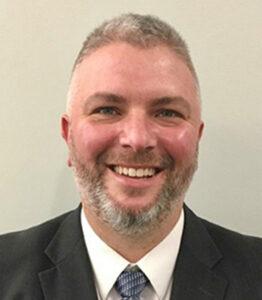
Joseph Ribsam, Jr.
With a goal of true system transformation to support families and their children, Joe Ribsam joined New Hampshire’s Division for Children, Youth and Families (DCYF) as director in 2017. At that time, the system struggled with heavy caseloads, having seen the number of children in foster care nearly double following two high-profile child deaths. Borrowing from the blueprint he helped develop as a deputy commissioner in New Jersey, he created a vision for a child and family care system in New Hampshire. In less than three years, he and his team have drastically lowered caseloads and the backlog of child protective services assessments, implementing effective strategies for ongoing improvement. After peaking in 2018, the number of children in care has stabilized and begun to safely decline through both a decrease in entries and an increase in exits. He is leading efforts to ensure that every child in the state is able to grow up in a safe, supportive family environment and to reduce the need for — and use of — group homes and other institutional placements. Other accomplishments under Mr. Ribsam’s leadership include a statewide parent partner program, expanded foster care and adoption subsidies to age 21, and a foster care nursing program to support the medical needs of children in care. During COVID-19, Mr. Ribsam brought together a coalition of partners, including parents with lived experience, to develop the New Hampshire Child and Family Well-Being Guide and to create a helpline to support families within their communities. The guide and the Waypoint Family Support Warm Line are seen as the first building blocks for transforming the front end of the system.
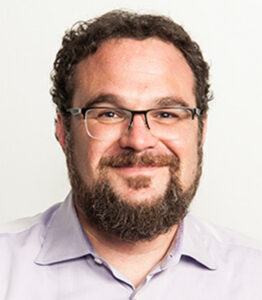
The Hon. Bruce Manning
Judge Bruce Manning presides over cases subject to the Indian Child Welfare Act (ICWA) in Hennepin County, Minnesota, the state’s most populous district. He is mindful of the fact that Minnesota has a high rate of disparities for Native children in foster care and has worked with the Native community and other court professionals to develop a practice that embodies a collaborative approach to ICWA cases and supports the possibilities of a culturally competent, relationship-based model of child protection. He has redesigned his courtroom to be a welcoming, respectful space for Native families: tribal flags from in-state Dakota and Ojibwe tribes fly alongside the Minnesota and U.S. flags, artwork from Native artists adorn the walls, and medicines of sweetgrass, sage and cedar are centrally placed in the courtroom, where parties are welcome to smudge before hearings. He is a vocal advocate for the judiciary about bias from the bench, and, with the involvement of other professionals, he has helped to achieve positive outcomes for children and parents through intentional, ongoing outreach and collaboration with the tribes whose homelands are in and around Minnesota. He credits the years of work done before his time, whose commitments he tries to continue. Judge Manning also serves as the board president of Shir Tikvah, a Minneapolis synagogue, and of Trademark Theater.
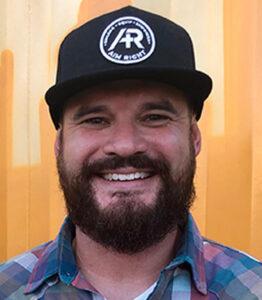
Caleb Reed
Caleb Reed, executive director of Aim Right Ministries in Phoenix, works to provide a safe place in the neighborhood for young people to come and find meaning and purpose. This is done through community building, anchored in significant relationships, and providing positive alternatives for at-risk youth through after school and community-focused programs. He is deeply invested in the organization as well as the neighborhood, and the community. The Garfield Historic District is home to many multigenerational families, many of them LatinX, and many of them living at or below the poverty line. Throughout the pandemic, Aim Right has worked to ensure children and youth could still receive support such as care packages, food and masks. Aim Right partners with others in the community, such as Garfield Elementary School and ThriveAZ, to ensure families are connected to needed resources. The organization is part of a coalition of churches and religious leaders that marched to draw attention to the Black Lives Matter movement and the need to end racial inequity and injustice. Mr. Reed leads by example and inspires others in the neighborhood to give back.
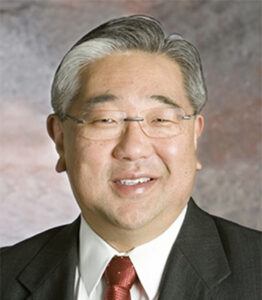
The Hon. Peter Sakai
Widely recognized in the Bexar County community as a leader who works hard to bring new ideas and solutions to help resolve issues of child abuse and neglect and family violence, Judge Peter Sakai focuses on helping professionals in the child welfare system to best serve the families that come into his courtroom. Judge Sakai has participated in several major initiatives, including creation of the Bexar County Children’s Court – the first in Texas and only the second in the U.S. He was involved in starting and presiding in the Early Childhood Court, the Family Drug Treatment Court for parents with children in foster care and a redesign of Children’s Court processes, resulting in safely reducing the need for foster care, increased exits and shorter stays in care. Judge Sakai also created a family preservation docket to assist relatives who wish to take custody of children and prevent entry into foster care and a guardianship docket to help find guardians for long-term care youth who need legal guardians beyond foster care. Judge Sakai’s many honors include the Congressional Coalition on Adoption Institute’s Angel in Adoption Award, and the 2020 Innovator of the Year Award from the National Council of Juvenile and Family Court Judges.
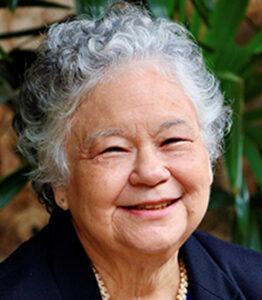
Laurie Tochiki
Laurie Tochiki is president and CEO of ‘Ohana ÉPICA, a nonprofit organization she co-founded with Arlynna Livingston in 1997. EPIC ‘Ohana serves families in the child welfare system and vulnerable transitioning youth. EPIC, which stands for Effective Planning and Innovative Communication, reflects the organization’s goal of breaking down barriers between social workers, families, government systems and others to make better connections. EPIC’s programs are national models for giving voice to birth parents, families and young people. A former associate dean at the William S. Richardson School of Law, she also taught Children and the Law and Family Law. She is a co-founder of the Kids First program at the First Circuit’s Family Court. She is a co-recipient of the Hawaii State Bar Association’s “Golden Gavel” award, recipient of the Volunteer Legal Services of Hawaii Niu Award, the HWL Distinguished Service Award, the HWLF Rhoda Lewis Community Service Award and the William S. Richardson School of Law Alumni Association Service Award.
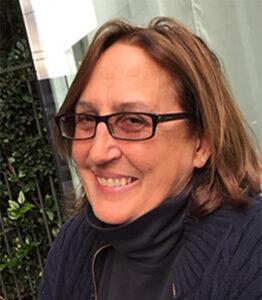
Lisa Parrish
Lisa Parrish was a champion for children from coast to coast, having served in New York City and Los Angeles during her distinguished career. As deputy commissioner for Foster Care and Preventive Services at New York City’s Administration for Children’s Services (ACS), she organized the first task force exploring the needs of LGBTQ children in foster care. Ms. Parrish carried her passion for including youth and family voices to the Los Angeles County Department of Children and Family Services, where she led programs that dramatically reduced the number of children in group home care. Returning to NYC ACS as senior advisor for LGBTQ Policy and Practice, she understood the need for data and was a catalyst for an LGBTQIA+ youth survey. The survey provides New York with the needed data to allocate resources for LGBTQIA+ youth in care, showing that these youth are a significant part of the foster care population. Ms. Parrish also served as ACS Deputy Commissioner for Financial Services, and with the NYC Office of Management and Budget, where she understood the importance of economic equity, staunchly advocating for leveling the playing field for families facing adverse circumstances. Throughout her career, Ms. Parrish had an enormous impact on her colleagues, both in New York and Los Angeles. She always provided an open door, offered honest feedback and encouraged innovation. Many describe her as “the best boss I ever had.” Ms. Parrish died following a battle with colon cancer.