
What is Connecticut’s trauma-informed approach?
Learn how Connecticut integrated trauma-informed practices throughout its child welfare system with an innovative approach.
Learn how Connecticut integrated trauma-informed practices throughout its child welfare system with an innovative approach.

Learn about the key elements of kinship navigator programs, jurisdictional examples, and evaluation outcomes.

Learn how several jurisdictions are implementing strategies to recruit and retain a strong child welfare workforce.

Learn about child welfare workforce turnover, its challenges to child protection agencies, and the impact it has on children and families.

Learn about program development and funding stream recommendations from kinship navigator program experts in several states.

Learn from research that explores how policies that reduce child poverty would result in lower involvement with child protective services.

Learn lessons from a research report that are adaptable to child welfare on how to successfully engage people with lived experience.

Explore strategies, jurisdictional examples, and resources for making progress in reducing unplanned teen pregnancy among youth in care.
How would reducing child poverty affect referrals to CPS and foster care placements? Would it reduce racial disproportionality? Learn more.

We are more committed than ever to supporting tribal nations in building hope for children and families and ensuring ICWA is fully implemented.

Explore how agencies serving children and families can reduce barriers to contracting with small community-based organizations.
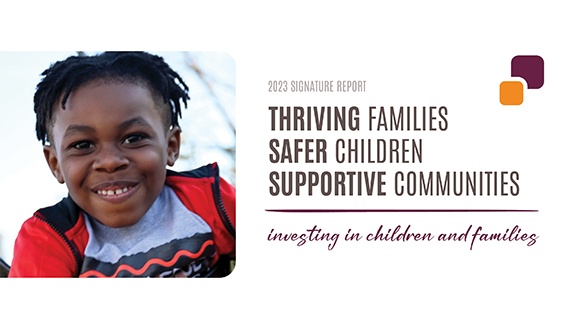
Learn how communities are engaging effectively with lived experience, addressing the system and investing in families.

Child welfare leader
What is Connecticut’s trauma-informed approach?Learn how Connecticut integrated trauma-informed practices throughout its child welfare system with an innovative approach.
What are kinship navigator programs?Learn about the key elements of kinship navigator programs, jurisdictional examples, and evaluation outcomes.
How are child protection agencies navigating and addressing workforce challenges?Learn how several jurisdictions are implementing strategies to recruit and retain a strong child welfare workforce.
How does turnover in the child welfare workforce impact children and families?Learn about child welfare workforce turnover, its challenges to child protection agencies, and the impact it has on children and families.
How are kinship navigator programs developed and funded?Learn about program development and funding stream recommendations from kinship navigator program experts in several states.
Can reductions in child poverty impact involvement with child protective services?Learn from research that explores how policies that reduce child poverty would result in lower involvement with child protective services.
How can people with lived experience be most effectively involved in systems change?Learn lessons from a research report that are adaptable to child welfare on how to successfully engage people with lived experience.
What strategies can help prevent unintended pregnancy for youth in foster care?Explore strategies, jurisdictional examples, and resources for making progress in reducing unplanned teen pregnancy among youth in care. The effects of child poverty reductions on child protective services involvementHow would reducing child poverty affect referrals to CPS and foster care placements? Would it reduce racial disproportionality? Learn more.
Gold standard principles of ICWA upheldWe are more committed than ever to supporting tribal nations in building hope for children and families and ensuring ICWA is fully implemented.
What keeps community-based organizations from contracting with child and family services agencies, and what can be done about it?Explore how agencies serving children and families can reduce barriers to contracting with small community-based organizations.
Thriving Families, Safer Children, Supportive CommunitiesLearn how communities are engaging effectively with lived experience, addressing the system and investing in families. Get involved
|