Safely reducing the need for foster care
- Safe Children
- |
- Strong Families
- |
- Supportive Communities
Decades
of hope
For more than 60 years, we have worked to help children grow up safely in their families, communities and cultures with the support they need to thrive.
National
Scope
We work with states, territories and Tribal Nations to influence long-lasting improvements for families.
Building Communities of Hope
We have come to recognize that the safety and well-being of children must be seen in the context of their families, and that the stability and resilience of those families must be seen in the context of the conditions in the communities where they live.
Our Latest
View All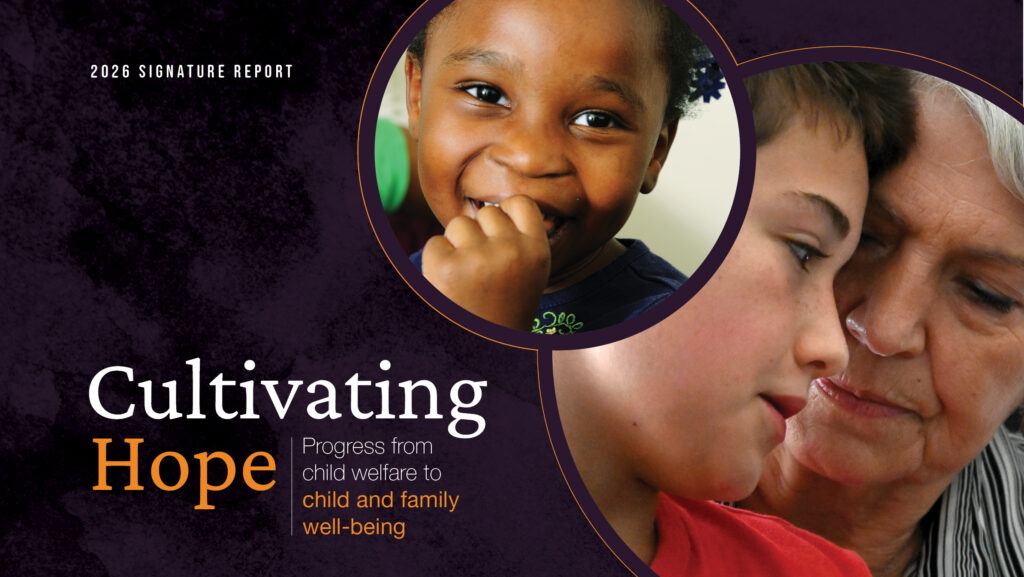


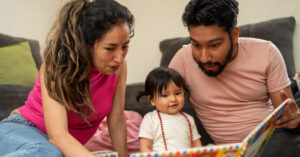
Working together to create change
Founded in 1966, we work across all 50 states, Washington, D.C., Puerto Rico, the U.S. Virgin Islands, and with Tribal Nations to build lasting change by supporting communities in transforming how they protect and nurture the well-being of children and their families. Explore resources for working together to build Communities of Hope.

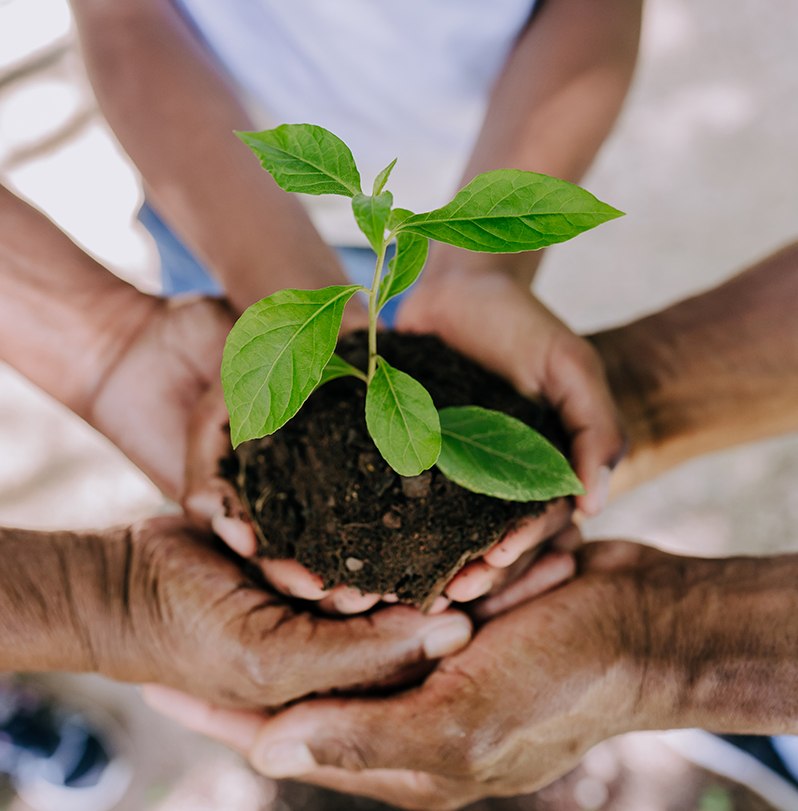

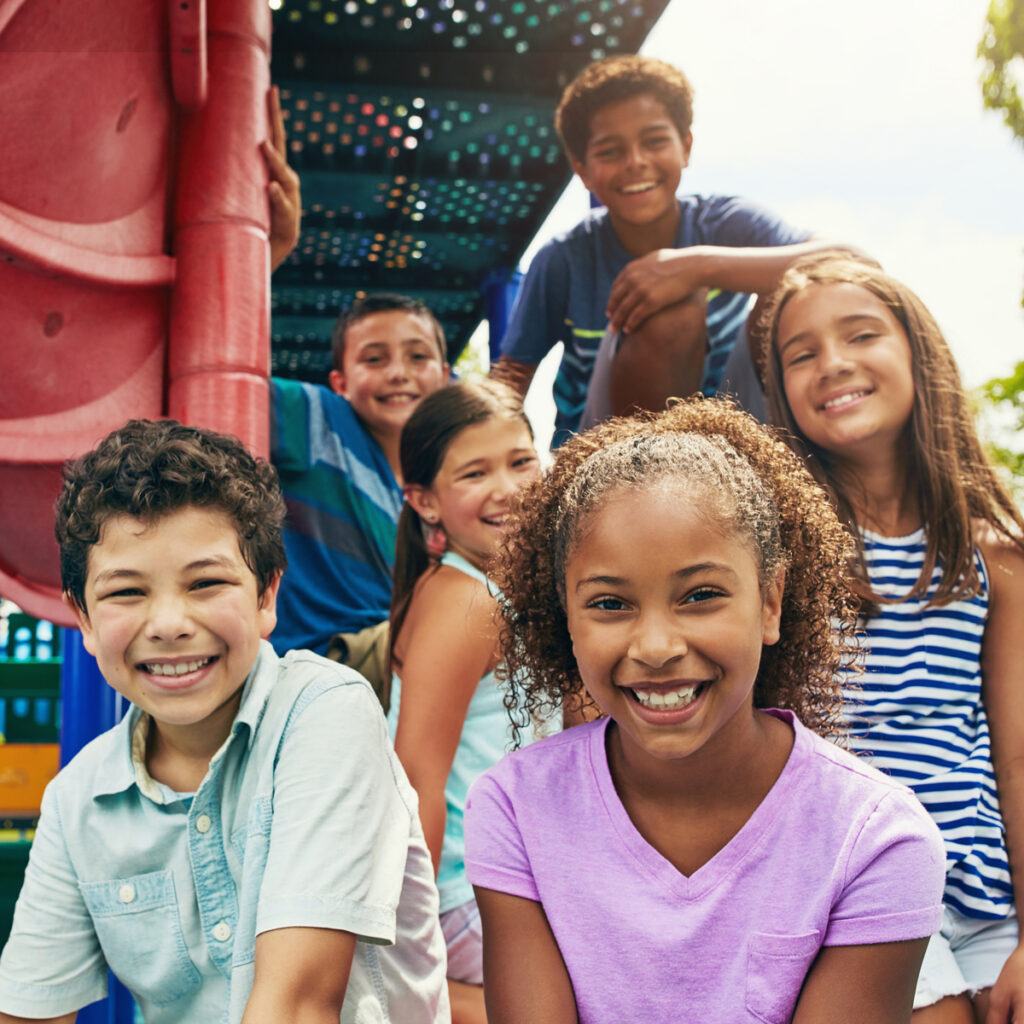
We influence improvements to child and family well-being
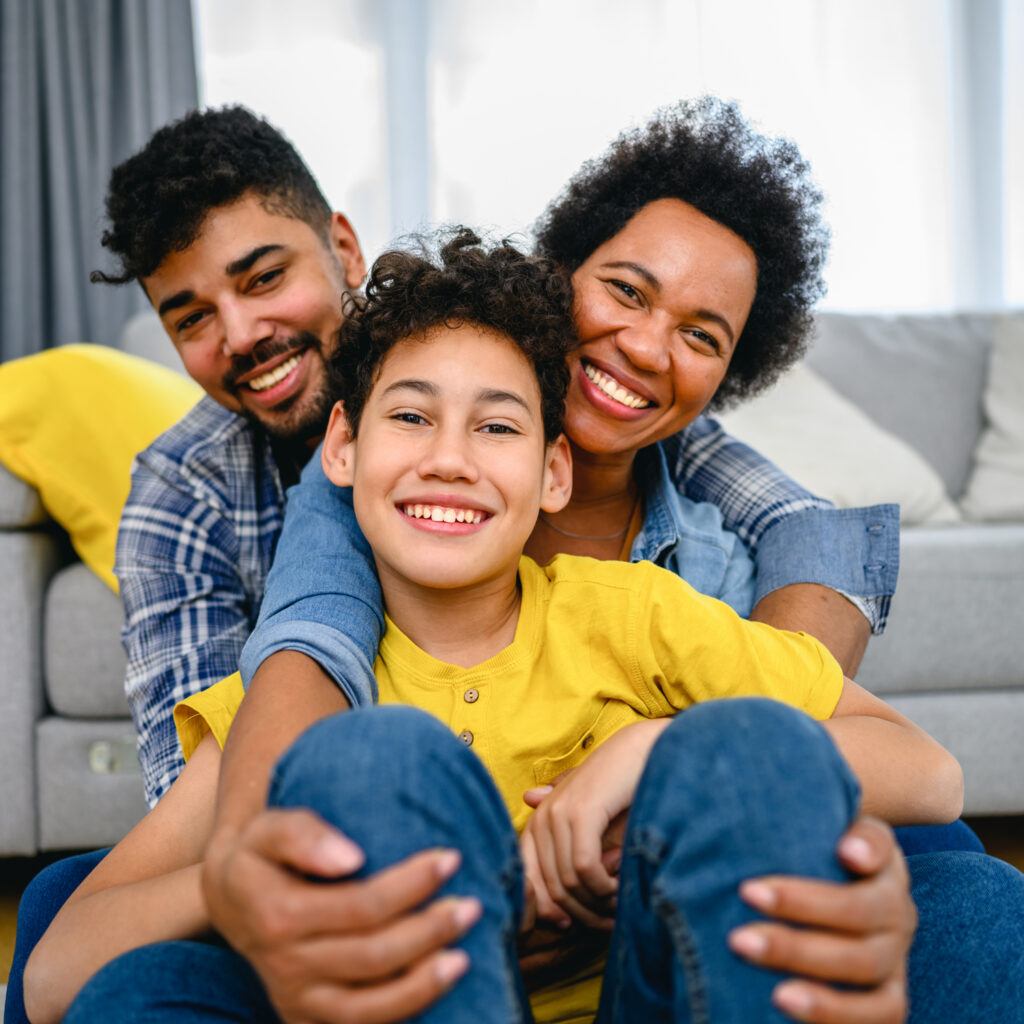
We work with a wide range of partners, including the children and families we serve each day, to strengthen families and keep children safely in their homes, communities and cultures.
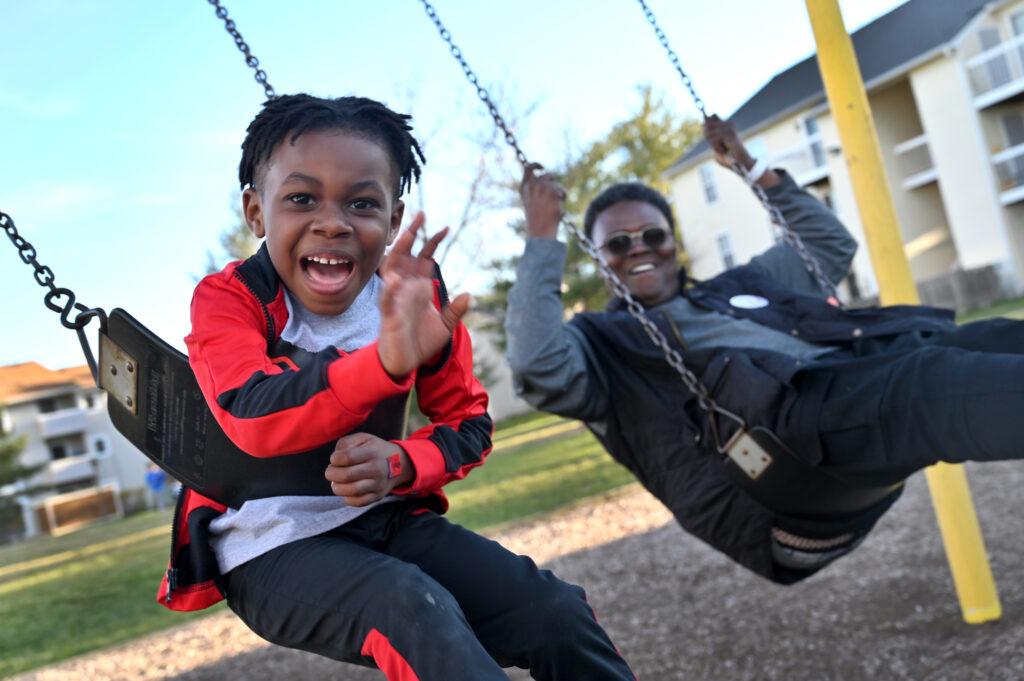
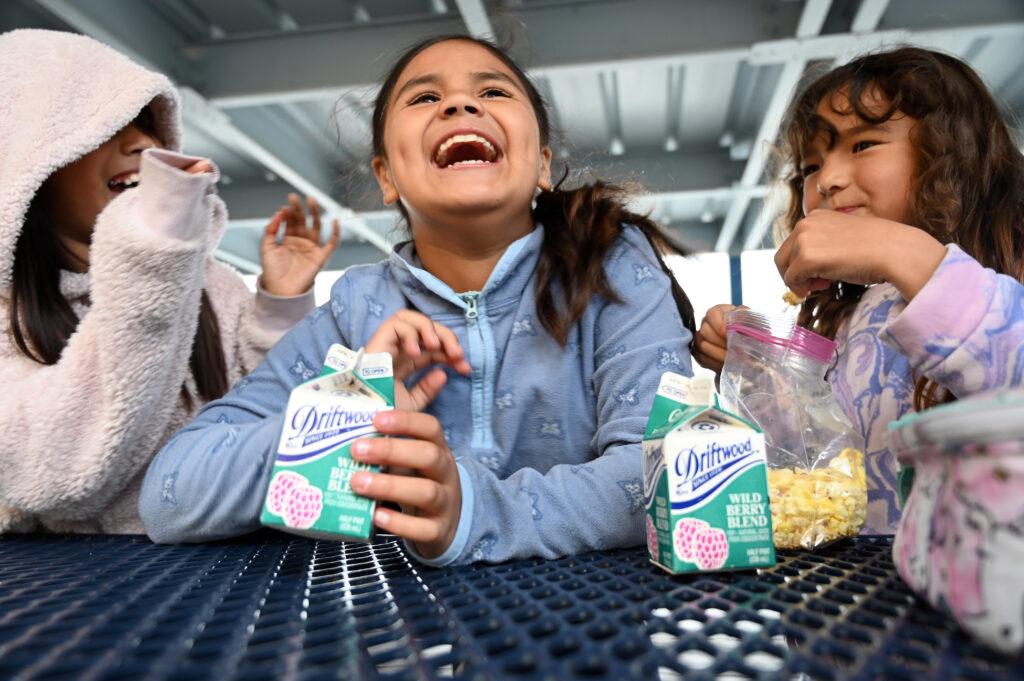
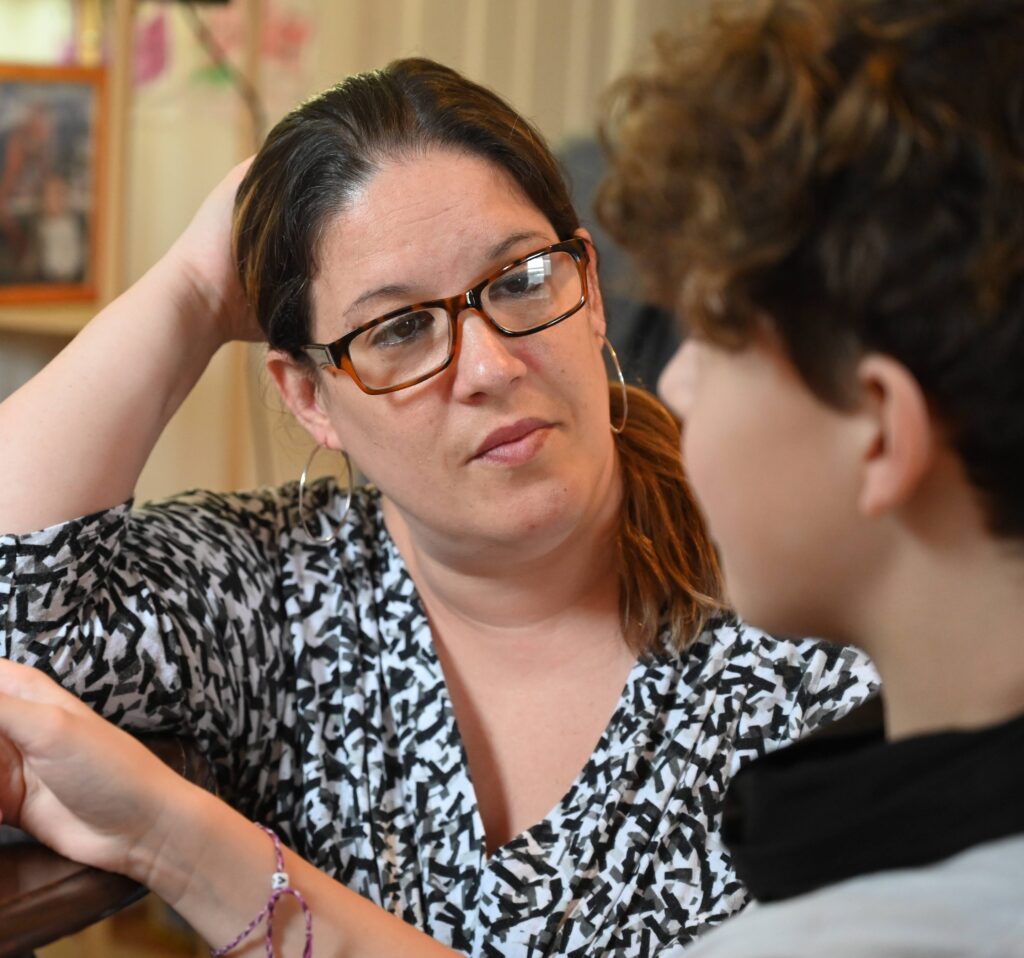
We support safety and well-being
We use our experience to inform practice, policy and the communities we serve.
-
Learn More
We work in partnership with public child welfare systems, policymakers, courts, Tribal Nations and community partners across the country to help develop practices and policies best suited to address the unique needs of the children and families they serve.
-
Learn More
We directly serve youth and families involved in the child welfare system and use that experience to demonstrate and spread strategies that improve child safety and well-being and strengthen families in partnership with state, local and Tribal child welfare systems, courts and community partners.
-
Learn More
Casey Family Programs partners with policymakers at the federal, Tribal, state and local levels to provide nonpartisan, accessible, evidence-based information and data to educate and inform investments and policies that benefit children and families.
-
learn more
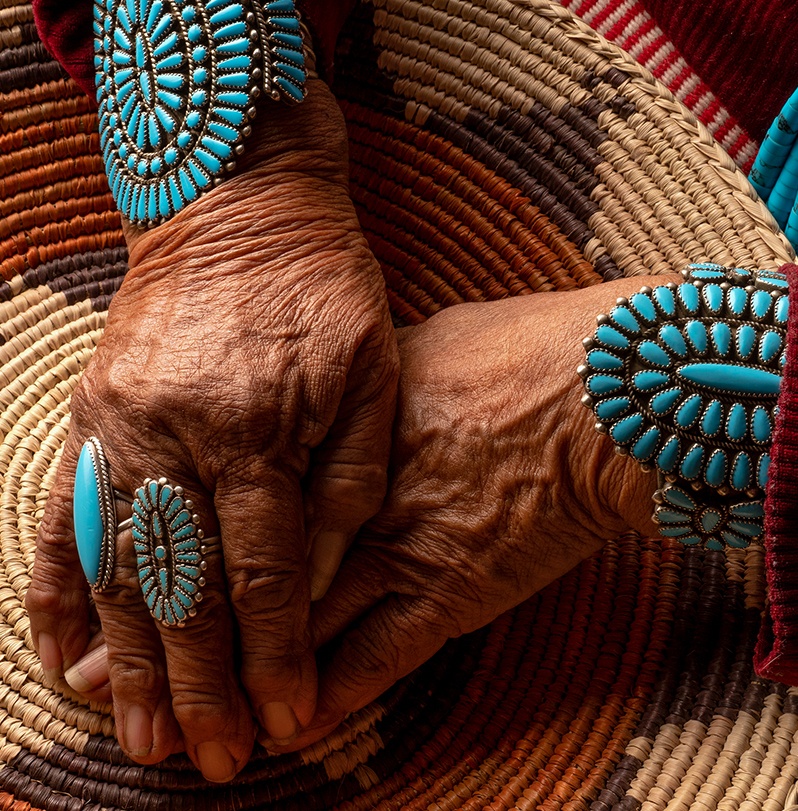
We partner with American Indian and Alaska Native Tribes across the country to strengthen their capacity to keep children healthy, safe and connected with their families, communities and cultures. We support their development and administration of effective and culturally responsive child welfare and well-being services.
-
learn more
We work in partnership with government, public child welfare systems, community organizations, courts and others to influence improvements to the policy and practices at the intersection of immigration and child welfare systems.
-
learn more
We work to change the national conversation around building Communities of Hope in partnership with national, regional and local organizations focused on improving the well-being of communities.
-
learn more
We provide support to our teams across the country so our work continues uninterrupted. Our staff work in communications, facilities, finance, human resources and organizational development, investments, legal services and technology services. Each of us has a role to play in building Communities of Hope.
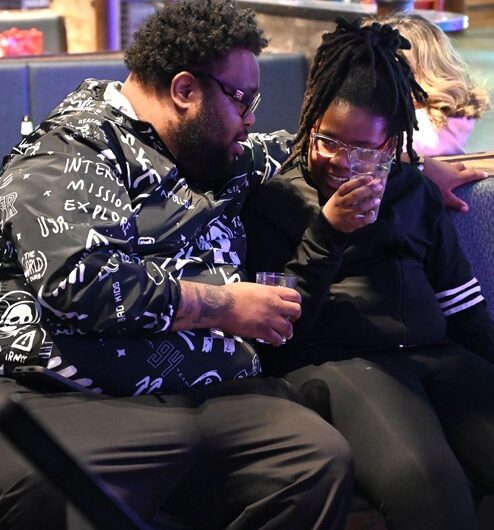
A legacy of hope
Jim Casey, the founder of United Parcel Service, established The Casey Family Program in 1966 to help improve the safety and success of vulnerable children and their families across America. Thanks to his leadership and vision — and the commitment of his brothers and sister — today Casey Family Programs carries on this important work in building Communities of Hope.
Connect with us
Sign up to receive announcements and other updates from Casey Family Programs.