
What are some considerations for employing and supporting youth peer mentors in child welfare?
Understand the benefits of employing youth peer mentors to support young people impacted by the child welfare system.
Understand the benefits of employing youth peer mentors to support young people impacted by the child welfare system.

Explore the importance of placement stability for youth in care and the factors that can affect it.

Explore the promising approaches that have demonstrated a positive impact in improving placement stability.
This law provides opportunities for states and tribes to better serve children and families by preventing the need for foster care and supporting better outcomes for children in care. Explore these resources to learn more.

Learn how child protection agencies can support children whose parent or primary caregiver is incarcerated.

Explore strategies for supporting relationships and visits between children in out-of-home care and parents who are incarcerated.

This Q&A explores how Rise, a parent-led organization in New York City, works to influence and make changes to the child welfare system.
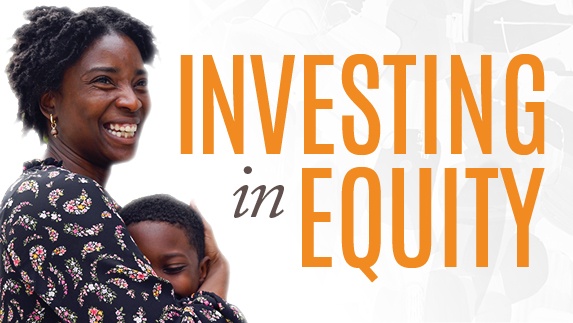
Investing in families means strengthening them, not separating them unnecessarily. Explore our signature report to learn more.

Co-developed with parents, this brief highlights the impacts of language and why certain terms used in child welfare should be reconsidered.

Explore how the Crossover Youth Practice Model provides a coordinated approach to effectively serving crossover youth.

Explore how sharing data across systems can lead to more community-based, proactive support for families.

Learn how child protection agencies and partner systems can best support youth who are victims or at risk of sex trafficking.

Social worker/direct practitioner
What are some considerations for employing and supporting youth peer mentors in child welfare?Understand the benefits of employing youth peer mentors to support young people impacted by the child welfare system.
What impacts placement stability?Explore the importance of placement stability for youth in care and the factors that can affect it.
How can we improve placement stability for children in foster care?Explore the promising approaches that have demonstrated a positive impact in improving placement stability. Family First Prevention Services ActThis law provides opportunities for states and tribes to better serve children and families by preventing the need for foster care and supporting better outcomes for children in care. Explore these resources to learn more.
What should child protection agencies consider when working with children whose parent or primary caregiver is incarcerated?Learn how child protection agencies can support children whose parent or primary caregiver is incarcerated.
How can child protection agencies support children spending time with their parents who are incarcerated?Explore strategies for supporting relationships and visits between children in out-of-home care and parents who are incarcerated.
How are parents impacted by the child welfare system leading the way in parent advocacy?This Q&A explores how Rise, a parent-led organization in New York City, works to influence and make changes to the child welfare system.
Investing in Equity: Sustaining hope for children and familiesInvesting in families means strengthening them, not separating them unnecessarily. Explore our signature report to learn more.
How does the language used in child welfare impact families?Co-developed with parents, this brief highlights the impacts of language and why certain terms used in child welfare should be reconsidered.
Is there an effective model for serving youth involved in both the child welfare and juvenile justice systems?Explore how the Crossover Youth Practice Model provides a coordinated approach to effectively serving crossover youth.
How can data sharing across child- and family-serving systems be implemented effectively?Explore how sharing data across systems can lead to more community-based, proactive support for families.
How can the child welfare system protect young people from commercial sexual exploitation?Learn how child protection agencies and partner systems can best support youth who are victims or at risk of sex trafficking. Get involved
|