
Should institutional placements be eliminated for youth in foster care?
Learn from a participatory qualitative research report about the impacts of institutional placement on youth who experienced them.
Learn from a participatory qualitative research report about the impacts of institutional placement on youth who experienced them.

Learn how the COVID-19 pandemic leveraged new ways of engaging virtually to support children and families.
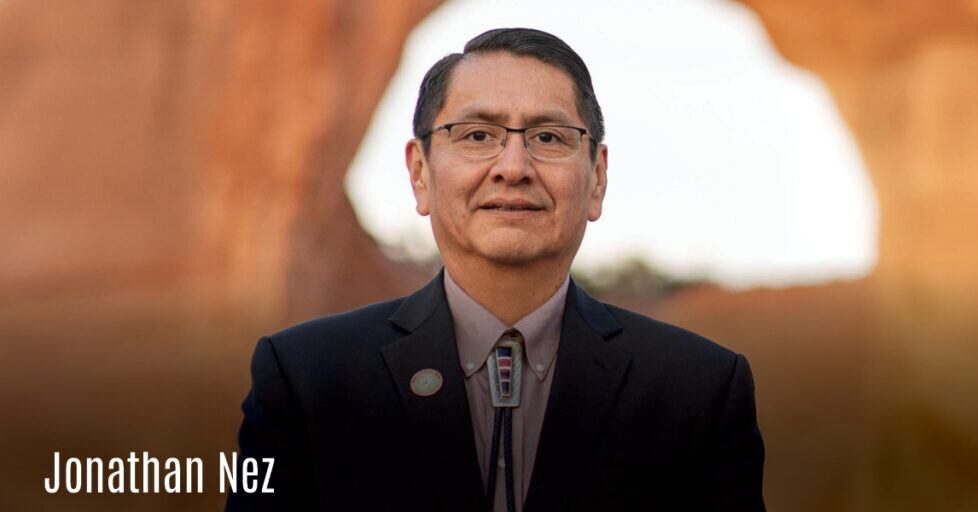
Jonathan Nez, president of the Navajo Nation, reflects on the Indian Child Welfare Act and its importance to the Navajo Nation.

Explore why four principles of the Indian Child Welfare Act should form the basis of child welfare practice for all agencies.

ideas42 outlines strategies from behavioral science for reducing stressors on child welfare staff.
See Dr. Bell’s 2019 testimony on funding programs for fathers in Family First to a subcommittee of the House Committee on Ways and Means.
We believe every person has a right to life-supporting medical care and related services to ensure their health and well-being.
The child welfare field needs a bold research agenda to address key knowledge gaps in transformative ways to support family and community.

Community curator Corey Best describes how Broward County, Fla., works with the community to advance racial justice in child welfare.

Learn from five state agencies about their strategies for implementing the QRTP requirements of the Family First Prevention Services Act.

Should institutional placements be eliminated for youth in foster care?Learn from a participatory qualitative research report about the impacts of institutional placement on youth who experienced them.
What are child protection agencies learning about virtual engagement with families and staff?Learn how the COVID-19 pandemic leveraged new ways of engaging virtually to support children and families.
What does the Indian Child Welfare Act mean to the Navajo Nation?Jonathan Nez, president of the Navajo Nation, reflects on the Indian Child Welfare Act and its importance to the Navajo Nation.
How can child welfare systems apply the principles of the Indian Child Welfare Act as the “gold standard” for all children?Explore why four principles of the Indian Child Welfare Act should form the basis of child welfare practice for all agencies.
How could behavioral design improve frontline child welfare practice?ideas42 outlines strategies from behavioral science for reducing stressors on child welfare staff. Dr. William C. Bell Congressional testimony: Celebrating Father and Families: Federal Support for Responsible FatherhoodSee Dr. Bell’s 2019 testimony on funding programs for fathers in Family First to a subcommittee of the House Committee on Ways and Means. Supporting LGBTQ2SIA+ families means doing no harmWe believe every person has a right to life-supporting medical care and related services to ensure their health and well-being. Building a 21st century child welfare research agendaThe child welfare field needs a bold research agenda to address key knowledge gaps in transformative ways to support family and community.
How is Broward County, Fla., advancing racial justice for families involved with the child protection system?Community curator Corey Best describes how Broward County, Fla., works with the community to advance racial justice in child welfare.
How are some child protection agencies attending to Qualified Residential Treatment Program requirements?Learn from five state agencies about their strategies for implementing the QRTP requirements of the Family First Prevention Services Act. Get involved
|