
How can parents and caregivers be supported in developing a positive co-parenting relationship?
Learn about the strategies that strengthen the co-parenting relationship between parents and caregivers.
Learn about the strategies that strengthen the co-parenting relationship between parents and caregivers.

Explore strategies for supporting relationships and visits between children in out-of-home care and parents who are incarcerated.

Co-developed with parents, this brief highlights the impacts of language and why certain terms used in child welfare should be reconsidered.

This webinar deepens our understanding of parent partner programs and their positive effects on families impacted by child welfare.

Learn findings from a study that examined how low-income mothers limit their engagement with needed support services for fear of CPS report.

Learn about the benefits of family time for parents and children, and why it is essential for a child’s well-being.
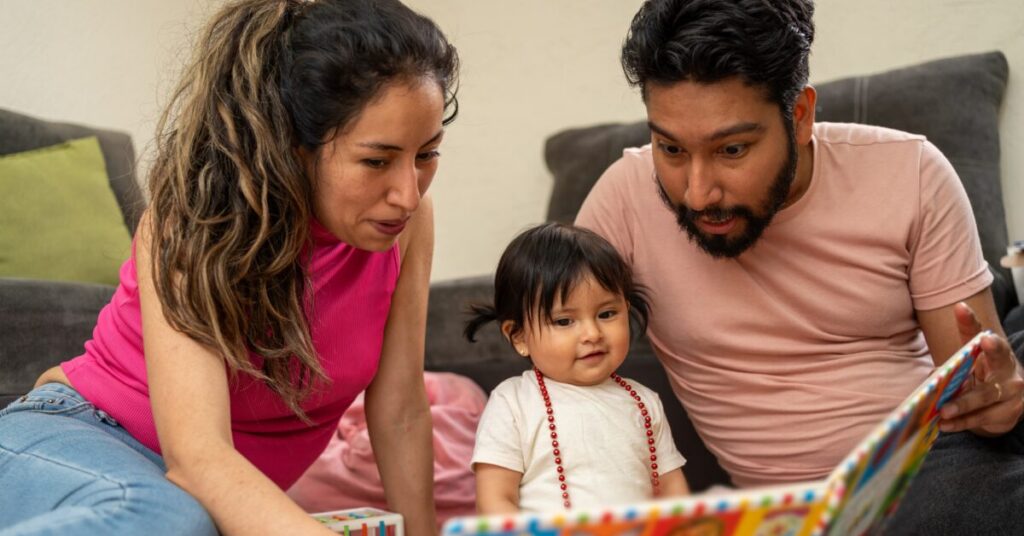
Learn about the impact of immigration enforcement on families and find resources for supporting families in this situation.

Learn how Louisiana implemented Initial Calls and Icebreakers to build trust between birth and foster parents and promote shared parenting.

Learn how a residential treatment program for children with behavioral health challenges shifted its practice toward parent engagement.

Learn how the Quality Parenting Initiative cultivates excellent parenting and supports caregivers to improve permanency for youth in care.

This Q&A explores strategies to ensure excellent parenting for children in foster care, and to support relationships with birth parents.

Learn how a residential treatment program changed its business model, practice, and culture to better serve youth and families.

Family engagement
How can parents and caregivers be supported in developing a positive co-parenting relationship?Learn about the strategies that strengthen the co-parenting relationship between parents and caregivers.
How can child protection agencies support children spending time with their parents who are incarcerated?Explore strategies for supporting relationships and visits between children in out-of-home care and parents who are incarcerated.
How does the language used in child welfare impact families?Co-developed with parents, this brief highlights the impacts of language and why certain terms used in child welfare should be reconsidered.
Parent partner programs: Understanding their value, research, impact, and applicationThis webinar deepens our understanding of parent partner programs and their positive effects on families impacted by child welfare.
Do perceptions of risk impact how mothers interact with social service providers?Learn findings from a study that examined how low-income mothers limit their engagement with needed support services for fear of CPS report.
How can frequent, quality family time promote relationships and permanency?Learn about the benefits of family time for parents and children, and why it is essential for a child’s well-being.
What do child welfare leaders need to know about supporting families when caregivers are facing immigration-enforced detention or deportation?Learn about the impact of immigration enforcement on families and find resources for supporting families in this situation.
How do initial calls and icebreakers support shared parenting?Learn how Louisiana implemented Initial Calls and Icebreakers to build trust between birth and foster parents and promote shared parenting.
How does Sweetser’s residential treatment approach promote family engagement and inclusion in Maine?Learn how a residential treatment program for children with behavioral health challenges shifted its practice toward parent engagement.
What is the Quality Parenting Initiative?Learn how the Quality Parenting Initiative cultivates excellent parenting and supports caregivers to improve permanency for youth in care.
How does the Quality Parenting Initiative support healthy childhoods and co-parenting with birth families?This Q&A explores strategies to ensure excellent parenting for children in foster care, and to support relationships with birth parents.
How does Children’s Village reflect the components of a Qualified Residential Treatment Program?Learn how a residential treatment program changed its business model, practice, and culture to better serve youth and families. Get involved
|