Meet the 2015 Leadership Honorees
These awards recognize leaders who have had a significant impact in improving outcomes for children and families and building Communities of Hope across America.
Select the photo below to read more about the year’s honorees.
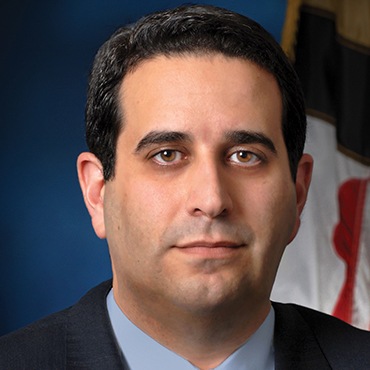
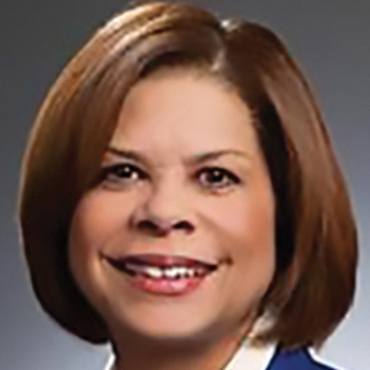
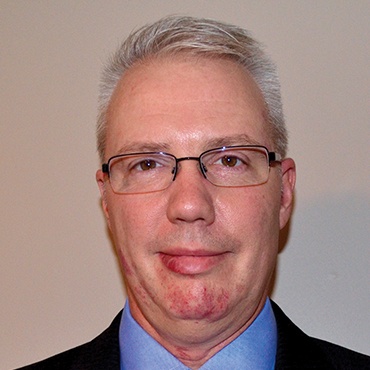
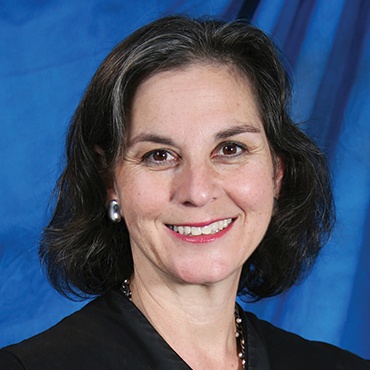
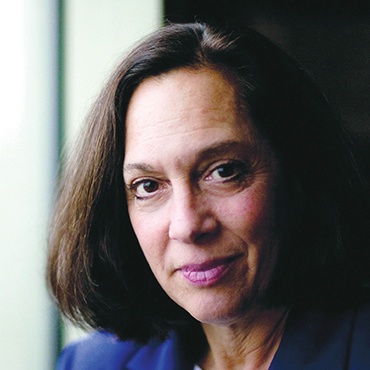

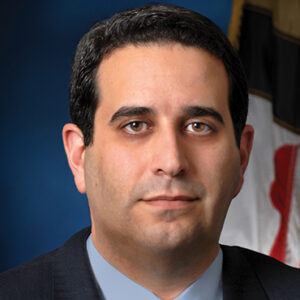
Theodore Dallas
Theodore Dallas, secretary of the Maryland Department of Human Services, has consistently championed new ideas and innovations in Maryland that have contributed to dramatically and safely reducing the number of children in out-of-home care. Over six years ago, Maryland created its Place Matters Initiative with the goal of safely reducing the need for foster care and to provide more services to children in their own homes. This ambitious effort included a reorientation of the state’s child welfare practice and policies, and a strong focus on family engagement and reaching families when their challenges are not significant enough to require out-of-home placement of their children. Secretary Dallas collaborated with lawmakers to pass what would become the state’s first legislation to provide supports and services to low-risk families in their own homes and communities. Across Maryland, almost every county’s numbers of children in out-of-home care are far below where they were five years ago.
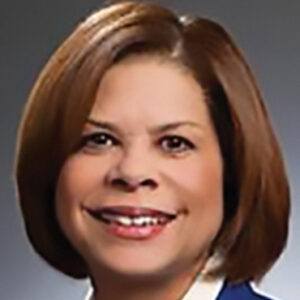
Brenda Donald
Recently appointed as deputy mayor for District of Columbia Health and Human Serivces, Brenda Donald previously directed the Child and Family Services Agency with strong leadership and vision, and a track record of accelerated reform, performance improvement and achievement. During her tenure as director, the agency consistently delivered positive outcomes for the District’s children, youth and families, including safely reducing the number of children in foster care, providing alternative services for families who need support, and placing a higher number of children who need homes with relatives. Ms. Donald conceived and implemented the “Four Pillars” model for D.C.’s child welfare system, to engage private partners and advocates to help protect and support children and families. She has worked to rapidly transform child welfare practice in the District, infusing it with the best practices and innovations that support positive outcomes. Held in high esteem by her colleagues, Ms. Donald is a role model for her national peers.
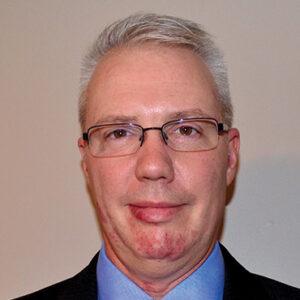
Judge Jay Dugger
Judge Jay Dugger, chief judge of Hampton (Virginia) Juvenile and Domestic Relations District Court, has been a leader in juvenile justice and foster care issues for over a decade. As the lead judge for Hampton’s Best Practice Initiative, he has worked to improve the legal system’s approach to dealing with abused and neglected children. Judge Dugger was a collaborative leader in the creation of Hampton’s Family Stabilization Program, which offers services to help support families whose children are at risk of removal for behavioral or delinquency issues. He was also instrumental in developing Hampton’s Child Dependency Mediation Program, the Safe Harbor for Kids Visitation Center and mental health screening and truancy initiatives. Judge Dugger has led and supported numerous other collaborative programs related to abused and neglected children, juvenile justice and child support.
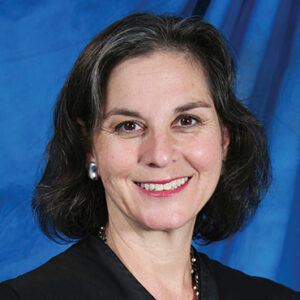
Judge Katherine G. Essrig
Judge Essrig serves as Administrative Judge of the Unified Family Court/Juvenile Dependency in Hillsborough County, Florida and demonstrates her commitment to children and families through her caring and engaging courtroom manner. She chairs a local cross-system project, the Safe Reduction Workgroup, a data-driven effort to transform the Hillsborough County child protection system from reactive and siloed to proactive and united. At the statewide level, Judge Essrig chairs the Dependency Court Improvement Panel and is a member of the Florida Supreme Court Steering Committee on Children and Families in the Courts. Judge Essrig speaks to national groups regularly and is a proponent of federal child welfare finance reform.
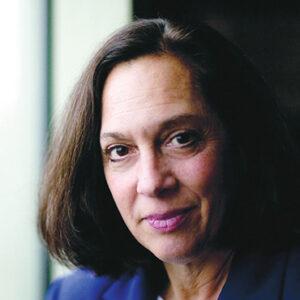
Joette Katz
Joette Katz, commissioner of the Connecticut Department of Children and Families, is a strong leader who has consistently delivered results by improving the safety, permanency and well-being of vulnerable children. She has supported efforts to connect at-risk families with services to prevent maltreatment and safely reduce the need for foster care. During her four-year tenure, Commissioner Katz has implemented a deeper focus on finding permanent homes for children in care and broadened the focus on wellbeing to include educational achievement, increased visitation with siblings and life skills for adolescents. Under her leadership, the department has shown a strong increase in the number of children placed with relative caregivers, a substantial decrease in the number of children placed in out-of-state care and in congregate, or group, care. She has worked to implement a family-focused practice model in which families are listened to, treated with respect and seen as the solution rather than the problem.

Confederated Salish and Kootenai Tribes
The three-person leadership team for child welfare of the Confederated Salish and Kootenai Tribes brings a deep understanding and collaboration to their advocacy for tribal sovereignty and self-determination, enhancing opportunities for Indian children in Montana to know who they are and have a lifelong connection to their tribes, family, history and language. The team has demonstrated an unwavering commitment to complying with the Indian Child Welfare Act of 1978, and to strengthening practice, and improving outcomes for vulnerable tribal children and families. The Confederated Salish and Kootenai Tribes — the first tribes to implement their own foster care program under a federal waiver program — have been at the forefront of the nation building movement among federally recognized tribes in the United States. They oversee 19 separately funded programs on the reservation and administer and manage their own child welfare programs.
Port Gamble S’Klallam Tribe
The Port Gamble S’Klallam Tribe has been a prominent leader in the move toward tribal access of direct federal funding of child welfare in the U.S. Port Gamble achieved this milestone in far less time than the usual two-year planning process. The Tribe successfully operates tribal child support, tribal assistance for needy families, tribal Head Start and a nurse home visiting program. Port Gamble also recently became the first tribe to obtain approval of their application for a federal IV-E funds waiver, which will give them more financial flexibility to provide culturally appropriate services that preserve and strengthen youth and families.
Center for Native American Youth
Founded in 2011, the Center for Native American Youth has developed into a leading voice and advocate for one of the most underserved and under-invested populations in this country – young people of Native American ancestry and culture. The Center, a program of the Aspen Institute, is connecting philanthropies with Native communities to support their efforts to grow opportunities for children and families in Indian Country, including through a well-attended convening with the White House. Through meaningful partnerships with government, communities and academia, the Center has been successful in inspiring youth, elected leaders and all who seek to support the social and physical well-being of Native youth. The Center is creating growing momentum across the United States to improve the lives and futures of Native American children and families.
Appalachian Regional Commission
The Appalachian Regional Commission is pioneering important work on sustainable community and economic development in Appalachia, spanning the work of federal, state and local governments. The Commission is helping children across the 13 states of Appalachia thrive by providing better educational programs, improved economic and job opportunities, and a stronger regional infrastructure. The Commission funds hundreds of projects that create thousands of new jobs and help lift Appalachian residents out of poverty and into competitive job skills and training. The Commission is also working to address the epidemic of substance abuse by sharing best practices and effective interventions. It has built trusted partnerships among governors in the Appalachian region and with local counties, elected officials and their communities.