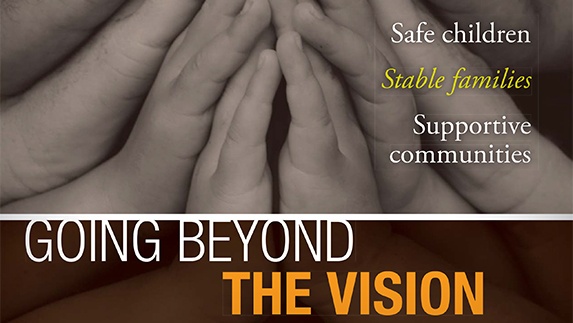
On The Pathway of Hope: 2019 Signature Report
What would the child welfare system look like if we could better support families before they are in crisis? Learn more in our 2019 signature report.
These awards recognize communities working together to improve the safety and success of children and their families.
This data overview looks at trends for American Indian/Alaska Native children in care nationally, and in California and Washington.
Learn how a foster parent and parent partner worked together to wrap supports around a birth mother so she could reunify with her child.
Permanency case reviews (PCRs) are being used in Sacramento to explore youth’s permanency options and help them find lifelong families.
States with Title IV-E demonstrations are using evidence-based practices, but more cost-benefit analyses are needed.
The power to build hope rests in the collective will of a community and its families. Because of this, we need to understand the interdependencies among families, neighborhoods, schools, local businesses, law enforcement, churches and nonprofits.
The California Legislature authorized a project in 2007 to reform the state’s group care system. This 2013 report evaluates the project’s results.
Casey’s 2013 signature report tells stories and shares data about the supportive communities across the US that are putting children on the paths to hope.
This report describes an evaluation of the Los Angeles Department of Child and Family Services Emergency Response Coaching Program.
California
On The Pathway of Hope: 2019 Signature ReportWhat would the child welfare system look like if we could better support families before they are in crisis? Learn more in our 2019 signature report. Bester, San Francisco efforts receive Jim Casey Building Communities of Hope AwardsThese awards recognize communities working together to improve the safety and success of children and their families. Native American and Alaska Native children data trendsThis data overview looks at trends for American Indian/Alaska Native children in care nationally, and in California and Washington.
How can birth and foster parent partnerships help families reunify?Learn how a foster parent and parent partner worked together to wrap supports around a birth mother so she could reunify with her child. Partnerships for Permanency in Sacramento CountyPermanency case reviews (PCRs) are being used in Sacramento to explore youth’s permanency options and help them find lifelong families. Research Evidence and Benefit-Cost Data for Title IV-E Waiver InterventionsStates with Title IV-E demonstrations are using evidence-based practices, but more cost-benefit analyses are needed.
A Declaration of Hope: 2014 Signature ReportThe power to build hope rests in the collective will of a community and its families. Because of this, we need to understand the interdependencies among families, neighborhoods, schools, local businesses, law enforcement, churches and nonprofits. Permanency, Partnership and Perseverance: Lessons from the California Residential Based Services Reform ProjectThe California Legislature authorized a project in 2007 to reform the state’s group care system. This 2013 report evaluates the project’s results.
Moving Toward Hope: 2013 Signature ReportCasey’s 2013 signature report tells stories and shares data about the supportive communities across the US that are putting children on the paths to hope. Evaluation of Los Angeles DCFS Emergency Response CoachingThis report describes an evaluation of the Los Angeles Department of Child and Family Services Emergency Response Coaching Program. Get involved
|