
How can Plans of Safe Care help infants and families affected by substance abuse?
Learn about strategies for implementing Plans of Safe Care for infants with prenatal substance exposure.
Learn about strategies for implementing Plans of Safe Care for infants with prenatal substance exposure.

Learn how the START model serves families dually affected by parental substance use disorder and involved in the child welfare system.

This jurisdictional scan profiles how Kentucky is collaborating across agencies to support and fund prevention services for families.

Learn how using economic and concrete support strategies to address basic needs can support families and help prevent family separation.

This appendix lists training topics and approaches that eight parent partner programs use during new parent partner onboarding.

Explore how various parent partner programs recruit, train, and support the parents who serve as peer mentors to other parents.

This appendix provides a brief summary of the research on individual parent partner programs.
Parent partners can guide parents through a difficult time and instill hope. Learn more about parent partner programs in this issue brief.

All children deserve to grow up in a loving, permanent family. This brief identifies strategies to achieve timely permanency.
Dr. William C. Bell testified before the U.S. Senate Committee on Health, Education, Labor and Pensions regarding the nation’s opioid epidemic and its impact on children and families.
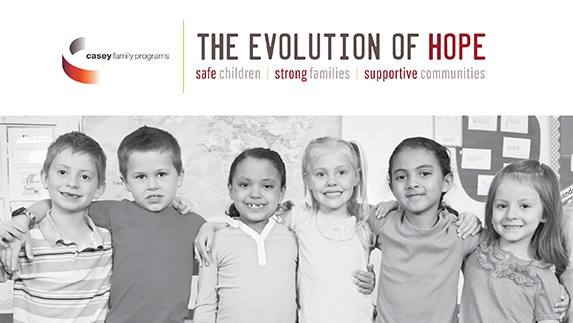
Communities across America are rethinking how they can keep children safe and provide the support that every child needs: a strong and loving family.
The success of the Johnson County Community of Hope stretches beyond its borders and is opening doors for new partnerships in other communities.

Kentucky
How can Plans of Safe Care help infants and families affected by substance abuse?Learn about strategies for implementing Plans of Safe Care for infants with prenatal substance exposure.
What is the National START (Sobriety, Treatment, and Recovery Teams) Model?Learn how the START model serves families dually affected by parental substance use disorder and involved in the child welfare system.
How does Kentucky’s child welfare agency collaborate to prevent foster care and support family well-being?This jurisdictional scan profiles how Kentucky is collaborating across agencies to support and fund prevention services for families.
How are child welfare systems using flexible funds to support families and prevent the need for foster care?Learn how using economic and concrete support strategies to address basic needs can support families and help prevent family separation.
What training models exist for new parent partners to become effective advocates?This appendix lists training topics and approaches that eight parent partner programs use during new parent partner onboarding.
How do parent partner programs recruit, train, and supervise parents with lived experience?Explore how various parent partner programs recruit, train, and support the parents who serve as peer mentors to other parents.
How do parent partner programs instill hope and support prevention and reunification? (APPENDIX)This appendix provides a brief summary of the research on individual parent partner programs.
How do parent partner programs instill hope and support prevention and reunification?Parent partners can guide parents through a difficult time and instill hope. Learn more about parent partner programs in this issue brief.
What are some effective strategies for achieving permanency?All children deserve to grow up in a loving, permanent family. This brief identifies strategies to achieve timely permanency. Dr. William C. Bell: Congressional testimony on the opioid crisisDr. William C. Bell testified before the U.S. Senate Committee on Health, Education, Labor and Pensions regarding the nation’s opioid epidemic and its impact on children and families.
The Evolution of Hope: 2017 Signature ReportCommunities across America are rethinking how they can keep children safe and provide the support that every child needs: a strong and loving family.
Kentucky community receives Jim Casey Building Communities of Hope AwardThe success of the Johnson County Community of Hope stretches beyond its borders and is opening doors for new partnerships in other communities. Get involved
|