
What are some screening and assessment tools that help support children’s well-being?
This information packet aids in selecting screening and assessment tools that support child well-being and informs case decision-making.
This information packet aids in selecting screening and assessment tools that support child well-being and informs case decision-making.

Learn from a research study that examines the impacts of separating Latino youth from their parents due to detention or deportation.
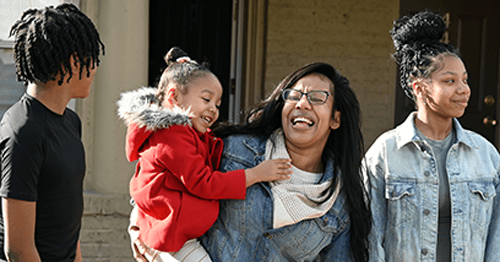
A commitment to a kin-first culture means the world to families in Pennsylvania.

Thanks to Kinnect, Theo was placed with fictive kin and is connected to his siblings and extended family.

Thanks to kinship care, Keeton Byerly was raised by his grandfather instead of being placed into foster care.

Kinnect offers services that enable and support kinship placements. That makes all the difference to siblings like Jonathon and Chrishonna.
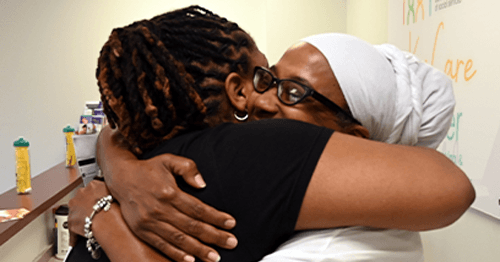
The KinCare Center is a physical representation of Baltimore City DSS’s commitment to supporting kinship families.
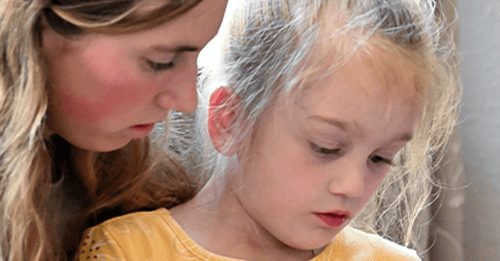
Thanks to state-provided support, Bristol was able to receive specialized care from her grandmother after being separated from her mother.

California’s child welfare leaders explain why the state focuses on kinship care and supporting kinship caregivers in this Q&A.

Learn from a research study that examines how sudden drops in income can contribute to the risk of child maltreatment.
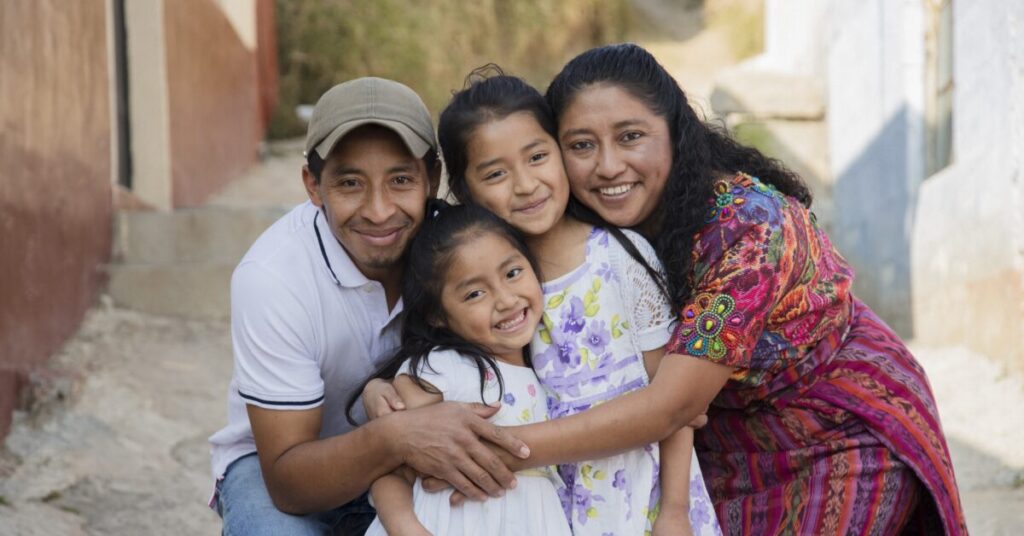
The COVID-19 pandemic gave rise to several important research-based lessons about child safety and family well-being.

National
What are some screening and assessment tools that help support children’s well-being?This information packet aids in selecting screening and assessment tools that support child well-being and informs case decision-making.
Does immigration-related family separation impact child well-being?Learn from a research study that examines the impacts of separating Latino youth from their parents due to detention or deportation.
Raising hope in Allegheny CountyA commitment to a kin-first culture means the world to families in Pennsylvania.
Knowing your rootsThanks to Kinnect, Theo was placed with fictive kin and is connected to his siblings and extended family.
‘I don’t know who I would be’Thanks to kinship care, Keeton Byerly was raised by his grandfather instead of being placed into foster care.
Connecting with kin in OhioKinnect offers services that enable and support kinship placements. That makes all the difference to siblings like Jonathon and Chrishonna.
Baltimore: ‘All in for kin’The KinCare Center is a physical representation of Baltimore City DSS’s commitment to supporting kinship families.
Support means Bristol can stay with familyThanks to state-provided support, Bristol was able to receive specialized care from her grandmother after being separated from her mother.
Q&A: Kin-first culture in CaliforniaCalifornia’s child welfare leaders explain why the state focuses on kinship care and supporting kinship caregivers in this Q&A.
How does sudden income loss impact child maltreatment risk?Learn from a research study that examines how sudden drops in income can contribute to the risk of child maltreatment.
What are the enduring lessons for child welfare from the COVID-19 pandemic?The COVID-19 pandemic gave rise to several important research-based lessons about child safety and family well-being. Get involved
|