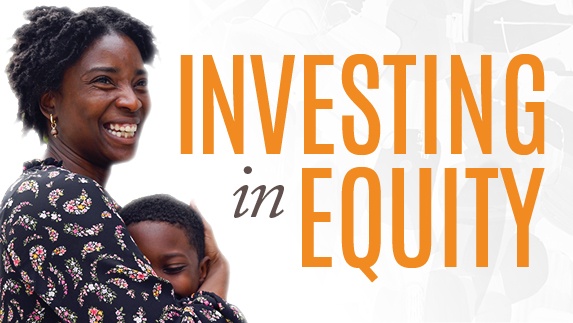
Investing in Equity: Sustaining hope for children and families
Investing in families means strengthening them, not separating them unnecessarily. Explore our signature report to learn more.
Investing in families means strengthening them, not separating them unnecessarily. Explore our signature report to learn more.

This appendix lists training topics and approaches that eight parent partner programs use during new parent partner onboarding.

This information packet provides guidance on how to help youth in foster care keep their academic credits when they have to change schools.

Learn about the three main sources of funding that are used to support parent partner programs.

Explore why four principles of the Indian Child Welfare Act should form the basis of child welfare practice for all agencies.

Explore how family treatment courts are a family-centered intervention for families affected by substance use disorder.

Parent partners can guide parents through a difficult time and instill hope. Learn more about parent partner programs in this issue brief.

In this Q&A, parents describe their personal experience with the child protection system and how agencies can engage better with parents.

This brief describes how the state of Washington offers voluntary services that aim to connect families to necessary resources.

Learn about some of the strategies that are effective in securing permanent adoptions among older youth.

Learn how strategic partnerships between child protection agencies and early care and education can benefit children and families.

Learn about the benefits of family time for parents and children, and why it is essential for a child’s well-being.

Washington
Investing in Equity: Sustaining hope for children and familiesInvesting in families means strengthening them, not separating them unnecessarily. Explore our signature report to learn more.
What training models exist for new parent partners to become effective advocates?This appendix lists training topics and approaches that eight parent partner programs use during new parent partner onboarding.
How do jurisdictions ensure that youth in care receive the academic credits they have earned when they move?This information packet provides guidance on how to help youth in foster care keep their academic credits when they have to change schools.
How do some jurisdictions fund parent partner programs?Learn about the three main sources of funding that are used to support parent partner programs.
How can child welfare systems apply the principles of the Indian Child Welfare Act as the “gold standard” for all children?Explore why four principles of the Indian Child Welfare Act should form the basis of child welfare practice for all agencies.
What are family treatment courts and how do they improve outcomes for children and families?Explore how family treatment courts are a family-centered intervention for families affected by substance use disorder.
How do parent partner programs instill hope and support prevention and reunification?Parent partners can guide parents through a difficult time and instill hope. Learn more about parent partner programs in this issue brief.
How can child protection agencies authentically engage with parents?In this Q&A, parents describe their personal experience with the child protection system and how agencies can engage better with parents.
How does the state of Washington provide voluntary services?This brief describes how the state of Washington offers voluntary services that aim to connect families to necessary resources.
What are some effective strategies for older youth adoption?Learn about some of the strategies that are effective in securing permanent adoptions among older youth.
How can child protection agencies partner with early care and education to improve outcomes for children?Learn how strategic partnerships between child protection agencies and early care and education can benefit children and families.
How can frequent, quality family time promote relationships and permanency?Learn about the benefits of family time for parents and children, and why it is essential for a child’s well-being. Get involved
|