
How are kinship navigator programs developed and funded?
Learn about program development and funding stream recommendations from kinship navigator program experts in several states.
Learn about program development and funding stream recommendations from kinship navigator program experts in several states.

Learn lessons from a research report that are adaptable to child welfare on how to successfully engage people with lived experience.
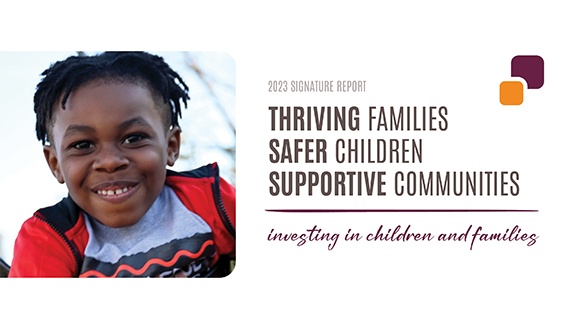
Learn how communities are engaging effectively with lived experience, addressing the system and investing in families.
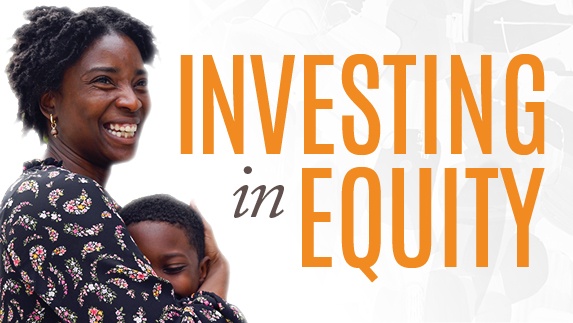
Investing in families means strengthening them, not separating them unnecessarily. Explore our signature report to learn more.

Learn findings from a national survey in which three stakeholder groups voiced the systemic challenges faced by child welfare.

This learning exchange explores the “seven levers” that are key to ending the need for group placements in child welfare.
The child welfare field needs a bold research agenda to address key knowledge gaps in transformative ways to support family and community.

Explore best practices for collecting and using longitudinal data to assess outcomes for families.

Ann Silverberg Williamson shares what she has learned about leadership, values, and transformation efforts during times of crisis.

David Sanders discusses how child protection agencies and providers can move upstream to provide proactive support for families.

Learn about findings from a study that examines the outcomes related to having higher standards of proof for substantiation.

This brief shares a framework for developing performance dashboards that include key measures to support decision-making.

Child welfare leadership
How are kinship navigator programs developed and funded?Learn about program development and funding stream recommendations from kinship navigator program experts in several states.
How can people with lived experience be most effectively involved in systems change?Learn lessons from a research report that are adaptable to child welfare on how to successfully engage people with lived experience.
Thriving Families, Safer Children, Supportive CommunitiesLearn how communities are engaging effectively with lived experience, addressing the system and investing in families.
Investing in Equity: Sustaining hope for children and familiesInvesting in families means strengthening them, not separating them unnecessarily. Explore our signature report to learn more.
How can individuals with direct experience of child welfare help to reform the system?Learn findings from a national survey in which three stakeholder groups voiced the systemic challenges faced by child welfare.
Ending the Need for Group PlacementsThis learning exchange explores the “seven levers” that are key to ending the need for group placements in child welfare. Building a 21st century child welfare research agendaThe child welfare field needs a bold research agenda to address key knowledge gaps in transformative ways to support family and community.
How can longitudinal data support child and family well-being?Explore best practices for collecting and using longitudinal data to assess outcomes for families.
How can child welfare leaders manage through crisis while maintaining momentum toward transformation?Ann Silverberg Williamson shares what she has learned about leadership, values, and transformation efforts during times of crisis.
How can child welfare leaders and providers reimagine support for children and families?David Sanders discusses how child protection agencies and providers can move upstream to provide proactive support for families.
Do higher standards of proof for child abuse and neglect impact rates of substantiation?Learn about findings from a study that examines the outcomes related to having higher standards of proof for substantiation.
How can executive performance dashboards support child welfare agency effectiveness?This brief shares a framework for developing performance dashboards that include key measures to support decision-making. Get involved
|