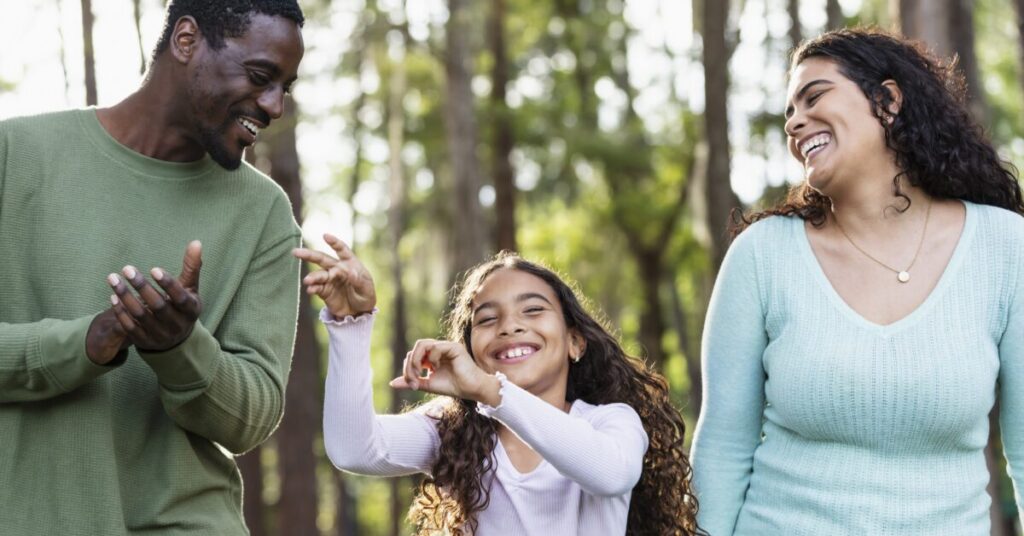
How can we improve placement stability for children in foster care?
Explore the promising approaches that have demonstrated a positive impact in improving placement stability.
Explore the promising approaches that have demonstrated a positive impact in improving placement stability.
Casey Family Programs files Amicus Brief with Supreme Court in support of Indian Child Welfare Act, August 2022.
This data overview looks at trends for American Indian/Alaska Native children in care nationally, and in California and Washington.
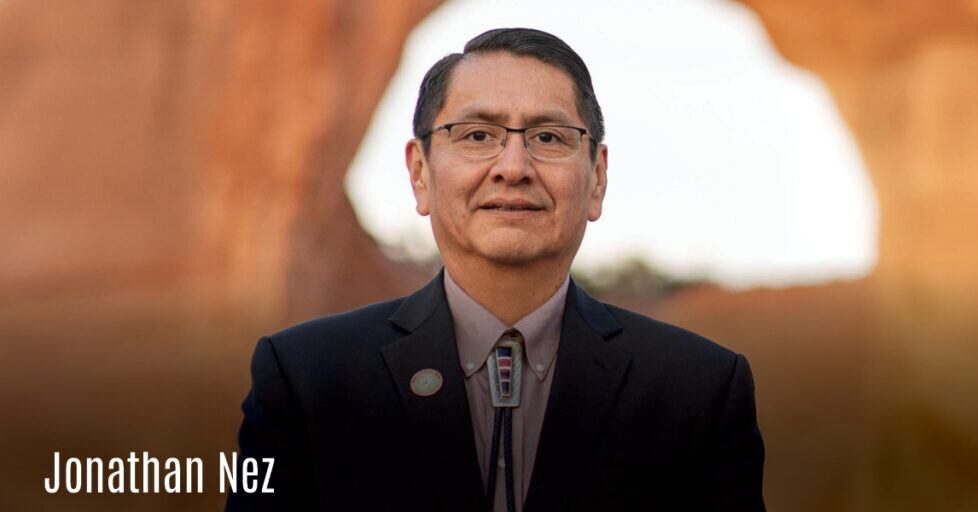
Jonathan Nez, president of the Navajo Nation, reflects on the Indian Child Welfare Act and its importance to the Navajo Nation.

Explore why four principles of the Indian Child Welfare Act should form the basis of child welfare practice for all agencies.
Her historic appointment comes at a time of both tremendous challenge and tremendous opportunity to directly improve the lives of all Americans.

This report confirms kinship care as a preferred option for children when they cannot stay with their biological parents.
Explore best strategies for recruiting and retaining tribal foster families to help American Indian and Alaska Native children thrive in their culture.

This brief highlights strategies used by tribal and state teams working to increase the number of foster parents for American Indian children.
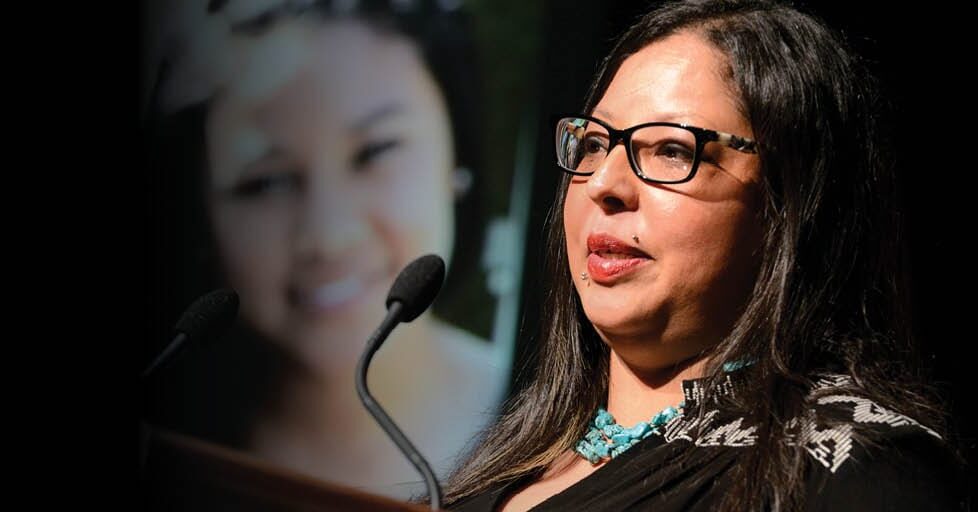
Shana King received a 2016 Casey Excellence for Children Award for birth parent. Nominate a hero like her for the 2017 awards.
This report identifies practice trends related to compliance with the federal Indian Child Welfare Act and the Oklahoma Indian Child Welfare Act.

ICWA
How can we improve placement stability for children in foster care?Explore the promising approaches that have demonstrated a positive impact in improving placement stability. 2022 Supreme Court brief filed in support of Indian Child Welfare ActCasey Family Programs files Amicus Brief with Supreme Court in support of Indian Child Welfare Act, August 2022. Native American and Alaska Native children 2020 data overviewThis data overview looks at trends for American Indian/Alaska Native children in care nationally, and in California and Washington.
What does the Indian Child Welfare Act mean to the Navajo Nation?Jonathan Nez, president of the Navajo Nation, reflects on the Indian Child Welfare Act and its importance to the Navajo Nation.
How can child welfare systems apply the principles of the Indian Child Welfare Act as the “gold standard” for all children?Explore why four principles of the Indian Child Welfare Act should form the basis of child welfare practice for all agencies. Casey Family Programs statement on confirmation of Congresswoman Deb Haaland as the 54th United States Secretary of the InteriorHer historic appointment comes at a time of both tremendous challenge and tremendous opportunity to directly improve the lives of all Americans.
From Data to Practice: The Impact of Placement with Family on Safety, Permanency, and Well-BeingThis report confirms kinship care as a preferred option for children when they cannot stay with their biological parents. Preserving connectionsExplore best strategies for recruiting and retaining tribal foster families to help American Indian and Alaska Native children thrive in their culture.
Strategies for Successfully Recruiting and Retaining Preferred-Placement Foster Homes for American Indian ChildrenThis brief highlights strategies used by tribal and state teams working to increase the number of foster parents for American Indian children.
Healing, culture are key for award-winning motherShana King received a 2016 Casey Excellence for Children Award for birth parent. Nominate a hero like her for the 2017 awards. Indian Child Welfare Act Snapshot: A Pilot Review of ICWA Practice in OklahomaThis report identifies practice trends related to compliance with the federal Indian Child Welfare Act and the Oklahoma Indian Child Welfare Act. Get involved
|