
‘I don’t know who I would be’
Thanks to kinship care, Keeton Byerly was raised by his grandfather instead of being placed into foster care.
Thanks to kinship care, Keeton Byerly was raised by his grandfather instead of being placed into foster care.
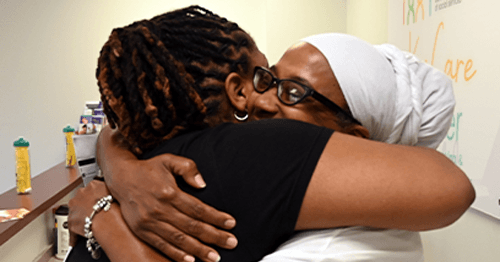
The KinCare Center is a physical representation of Baltimore City DSS’s commitment to supporting kinship families.
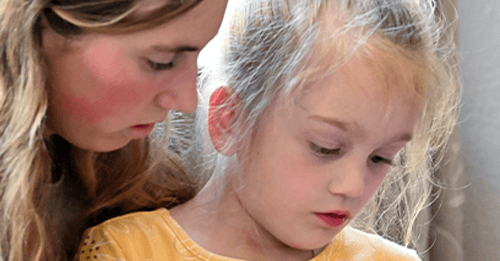
Thanks to state-provided support, Bristol was able to receive specialized care from her grandmother after being separated from her mother.

Explore how New Jersey uses a system of care approach to support children with behavioral health needs and their families.

Discover how the SafeCare home visiting program effectively supports positive parenting practices and reduces incidents of maltreatment.
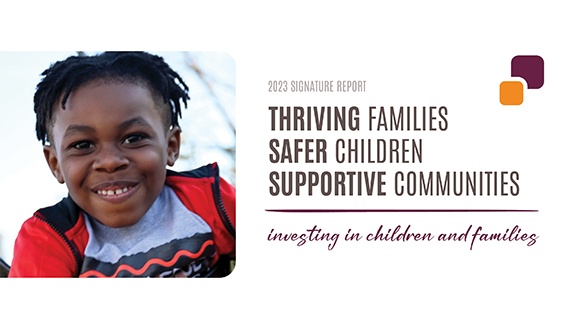
Learn how communities are engaging effectively with lived experience, addressing the system and investing in families.
This law provides opportunities for states and tribes to better serve children and families by preventing the need for foster care and supporting better outcomes for children in care. Explore these resources to learn more.
Investing in families means strengthening them, not separating them unnecessarily. Explore our signature report to learn more.

This learning exchange explores the “seven levers” that are key to ending the need for group placements in child welfare.

Explore why four principles of the Indian Child Welfare Act should form the basis of child welfare practice for all agencies.

Explore best practices for collecting and using longitudinal data to assess outcomes for families.

Improved outcomes
‘I don’t know who I would be’Thanks to kinship care, Keeton Byerly was raised by his grandfather instead of being placed into foster care.
Baltimore: ‘All in for kin’The KinCare Center is a physical representation of Baltimore City DSS’s commitment to supporting kinship families.
Support means Bristol can stay with familyThanks to state-provided support, Bristol was able to receive specialized care from her grandmother after being separated from her mother.
How does New Jersey’s system of care approach support families involved with child welfare?Explore how New Jersey uses a system of care approach to support children with behavioral health needs and their families.
How does SafeCare support parents of young children?Discover how the SafeCare home visiting program effectively supports positive parenting practices and reduces incidents of maltreatment.
Thriving Families, Safer Children, Supportive CommunitiesLearn how communities are engaging effectively with lived experience, addressing the system and investing in families. Family First Prevention Services ActThis law provides opportunities for states and tribes to better serve children and families by preventing the need for foster care and supporting better outcomes for children in care. Explore these resources to learn more.
Investing in Equity: Sustaining hope for children and familiesInvesting in families means strengthening them, not separating them unnecessarily. Explore our signature report to learn more.
Ending the Need for Group PlacementsThis learning exchange explores the “seven levers” that are key to ending the need for group placements in child welfare.
How can child welfare systems apply the principles of the Indian Child Welfare Act as the “gold standard” for all children?Explore why four principles of the Indian Child Welfare Act should form the basis of child welfare practice for all agencies.
How can longitudinal data support child and family well-being?Explore best practices for collecting and using longitudinal data to assess outcomes for families. Get involved
|