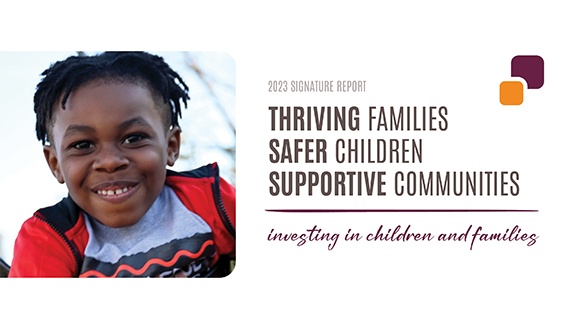
Thriving Families, Safer Children, Supportive Communities
Learn how communities are engaging effectively with lived experience, addressing the system and investing in families.
Learn how communities are engaging effectively with lived experience, addressing the system and investing in families.

Explore the importance of placement stability for youth in care and the factors that can affect it.

Explore the promising approaches that have demonstrated a positive impact in improving placement stability.
We are deeply saddened to learn of the passing of an amazing athlete who was a source of inspiration to countless people.
This law provides opportunities for states and tribes to better serve children and families by preventing the need for foster care and supporting better outcomes for children in care. Explore these resources to learn more.
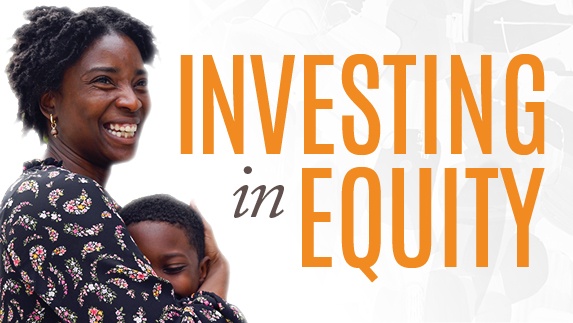
Investing in families means strengthening them, not separating them unnecessarily. Explore our signature report to learn more.

Learn findings from a study that analyzed permanency and equity outcome data for families that received kinship navigation services.
This data overview looks at trends for American Indian/Alaska Native children in care nationally, and in California and Washington.

This learning exchange explores the “seven levers” that are key to ending the need for group placements in child welfare.

Explore why four principles of the Indian Child Welfare Act should form the basis of child welfare practice for all agencies.

Learn about some of the strategies that are effective in securing permanent adoptions among older youth.

Learn the findings from a study that examined the impact of a Kinship Supports Intervention (KSI).

Kinship care
Thriving Families, Safer Children, Supportive CommunitiesLearn how communities are engaging effectively with lived experience, addressing the system and investing in families.
What impacts placement stability?Explore the importance of placement stability for youth in care and the factors that can affect it.
How can we improve placement stability for children in foster care?Explore the promising approaches that have demonstrated a positive impact in improving placement stability. Casey Family Programs statement on the death of Olympic gold medalist Tori BowieWe are deeply saddened to learn of the passing of an amazing athlete who was a source of inspiration to countless people. Family First Prevention Services ActThis law provides opportunities for states and tribes to better serve children and families by preventing the need for foster care and supporting better outcomes for children in care. Explore these resources to learn more.
Investing in Equity: Sustaining hope for children and familiesInvesting in families means strengthening them, not separating them unnecessarily. Explore our signature report to learn more.
Do kinship navigation programs impact permanency and equity for youth?Learn findings from a study that analyzed permanency and equity outcome data for families that received kinship navigation services. Native American and Alaska Native children 2020 data overviewThis data overview looks at trends for American Indian/Alaska Native children in care nationally, and in California and Washington.
Ending the Need for Group PlacementsThis learning exchange explores the “seven levers” that are key to ending the need for group placements in child welfare.
How can child welfare systems apply the principles of the Indian Child Welfare Act as the “gold standard” for all children?Explore why four principles of the Indian Child Welfare Act should form the basis of child welfare practice for all agencies.
What are some effective strategies for older youth adoption?Learn about some of the strategies that are effective in securing permanent adoptions among older youth.
What is the impact of a Title IV-E waiver kinship supports intervention?Learn the findings from a study that examined the impact of a Kinship Supports Intervention (KSI). Get involved
|