
How do individuals with lived experience of child welfare define permanency?
Lived experts offer insights on permanency and recommend strategies aimed at strengthening children’s connection to family.
Lived experts offer insights on permanency and recommend strategies aimed at strengthening children’s connection to family.

Youth exiting foster care without permanency need continuous resources and other support to ease their successful transition into adulthood.

Learn from providers that have shifted their business models away from group or institutional settings to family- and community-based care.

Explore how child protection agencies can recruit and train affirming families to meet the unique needs of LGBTQ+ youth in foster care.

Learn about the unique safety needs of LGBTQ+ youth in foster care and the affirming approaches to promote their well-being.
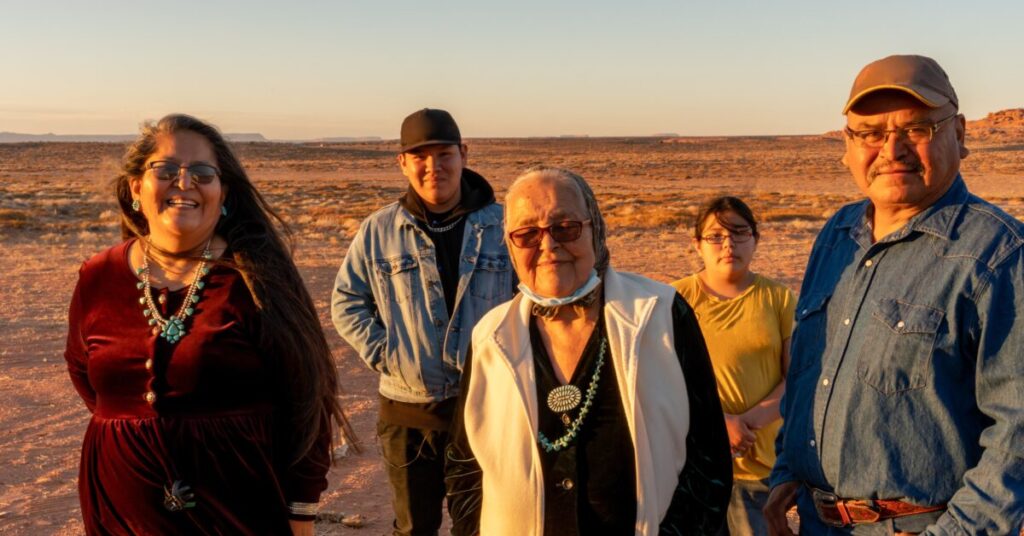
Learn lessons from American Indian, Alaska Native and Native Hawaiian elders who pass down wisdom to help Indigenous children thrive.

Learn about effective strategies and programs that meet the unique needs of pregnant and parenting teens in foster care.

Learn about evidence-based strategies to mitigate effects of prenatal substance exposure and support children across developmental stages.

Learn from a study that found lower reported levels of social support among both LGBTQ+ and Black youth who are alumni of foster care.

Learn how Medicaid can be a key funding source for peer support services for youth in foster care.

In this Q&A, leaders from Bravehearts and The Children’s Village describe their partnership in lifting up voices of young people in care.

Explore strategies, jurisdictional examples, and resources for making progress in reducing unplanned teen pregnancy among youth in care.

Older youth
How do individuals with lived experience of child welfare define permanency?Lived experts offer insights on permanency and recommend strategies aimed at strengthening children’s connection to family.
How can child welfare systems better support transition-age youth in foster care?Youth exiting foster care without permanency need continuous resources and other support to ease their successful transition into adulthood.
How have residential providers transformed their business models to prioritize what’s best for children?Learn from providers that have shifted their business models away from group or institutional settings to family- and community-based care.
How can child protection agencies recruit and train supportive families for LGBTQ+ youth in foster care?Explore how child protection agencies can recruit and train affirming families to meet the unique needs of LGBTQ+ youth in foster care.
What are some safety considerations for LGBTQ+ youth in foster care?Learn about the unique safety needs of LGBTQ+ youth in foster care and the affirming approaches to promote their well-being.
What roles can elders play to help children thrive and prevent them from entering foster care?Learn lessons from American Indian, Alaska Native and Native Hawaiian elders who pass down wisdom to help Indigenous children thrive.
What strategies support pregnant and parenting teens in foster care?Learn about effective strategies and programs that meet the unique needs of pregnant and parenting teens in foster care.
What are some developmentally appropriate interventions for infants and children affected by prenatal substance exposure?Learn about evidence-based strategies to mitigate effects of prenatal substance exposure and support children across developmental stages.
How do LGBTQ+ youth and youth of color experience social support after leaving foster care?Learn from a study that found lower reported levels of social support among both LGBTQ+ and Black youth who are alumni of foster care.
How can youth peer support be funded through Medicaid?Learn how Medicaid can be a key funding source for peer support services for youth in foster care.
How does the partnership between Bravehearts and The Children’s Village promote authentic youth leadership?In this Q&A, leaders from Bravehearts and The Children’s Village describe their partnership in lifting up voices of young people in care.
What strategies can help prevent unintended pregnancy for youth in foster care?Explore strategies, jurisdictional examples, and resources for making progress in reducing unplanned teen pregnancy among youth in care. Get involved
|