
Is there an effective model for serving youth involved in both the child welfare and juvenile justice systems?
Explore how the Crossover Youth Practice Model provides a coordinated approach to effectively serving crossover youth.
Explore how the Crossover Youth Practice Model provides a coordinated approach to effectively serving crossover youth.

Explore how sharing data across systems can lead to more community-based, proactive support for families.

Learn findings from a national survey in which three stakeholder groups voiced the systemic challenges faced by child welfare.

This appendix lists training topics and approaches that eight parent partner programs use during new parent partner onboarding.
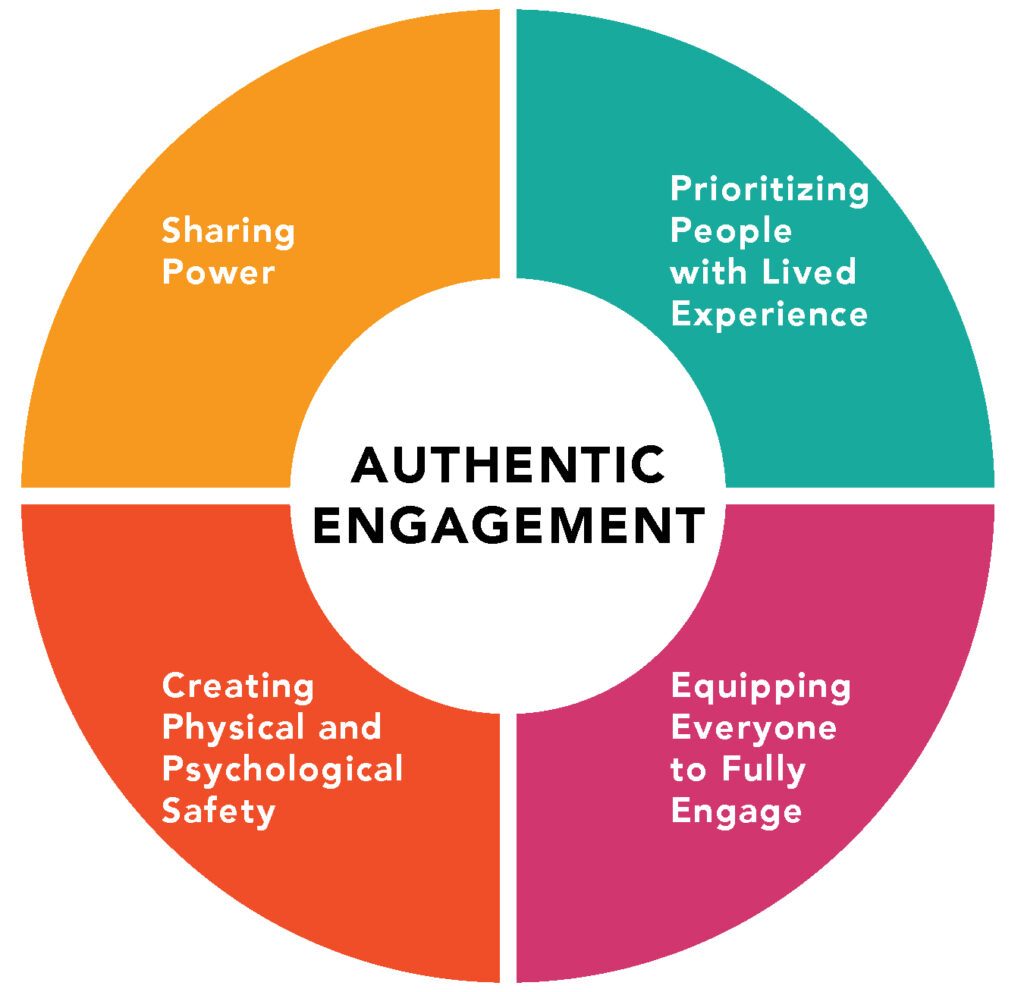
Explore the four key pillars of ChiByDesign’s approach to successful co-design with people with lived experience.

Learn how using demographic data can address inequities in child welfare and help to tailor and improve services.

Drawing on his experience as a child welfare leader, David Sanders offers recommendations for reducing child abuse and neglect fatalities.

Learn how Connecticut DCF is making their work towards racial justice a key component of their department.

Explore how various parent partner programs recruit, train, and support the parents who serve as peer mentors to other parents.

Learn how the Nurse-Family Partnership home visiting program can generate positive outcomes as it offers support to new mothers.

Learn how the COVID-19 pandemic leveraged new ways of engaging virtually to support children and families.

ideas42 outlines strategies from behavioral science for reducing stressors on child welfare staff.

Workforce and organizational practice
Is there an effective model for serving youth involved in both the child welfare and juvenile justice systems?Explore how the Crossover Youth Practice Model provides a coordinated approach to effectively serving crossover youth.
How can data sharing across child- and family-serving systems be implemented effectively?Explore how sharing data across systems can lead to more community-based, proactive support for families.
How can individuals with direct experience of child welfare help to reform the system?Learn findings from a national survey in which three stakeholder groups voiced the systemic challenges faced by child welfare.
What training models exist for new parent partners to become effective advocates?This appendix lists training topics and approaches that eight parent partner programs use during new parent partner onboarding.
What are the four pillars of authentic engagement of communities and individuals with lived experience through co-design?Explore the four key pillars of ChiByDesign’s approach to successful co-design with people with lived experience.
How can the collection, analysis, and reporting of demographic data support children and families?Learn how using demographic data can address inequities in child welfare and help to tailor and improve services.
If I knew then what I know now: Seven strategies to reduce child abuse and neglect fatalitiesDrawing on his experience as a child welfare leader, David Sanders offers recommendations for reducing child abuse and neglect fatalities.
How is Connecticut’s Department of Children and Families working towards racial justice?Learn how Connecticut DCF is making their work towards racial justice a key component of their department.
How do parent partner programs recruit, train, and supervise parents with lived experience?Explore how various parent partner programs recruit, train, and support the parents who serve as peer mentors to other parents.
What are some considerations when implementing Nurse-Family Partnership?Learn how the Nurse-Family Partnership home visiting program can generate positive outcomes as it offers support to new mothers.
What are child protection agencies learning about virtual engagement with families and staff?Learn how the COVID-19 pandemic leveraged new ways of engaging virtually to support children and families.
How could behavioral design improve frontline child welfare practice?ideas42 outlines strategies from behavioral science for reducing stressors on child welfare staff. Get involved
|