
How does the language used in child welfare impact families?
Co-developed with parents, this brief highlights the impacts of language and why certain terms used in child welfare should be reconsidered.
Co-developed with parents, this brief highlights the impacts of language and why certain terms used in child welfare should be reconsidered.

Explore how the Crossover Youth Practice Model provides a coordinated approach to effectively serving crossover youth.

Explore how sharing data across systems can lead to more community-based, proactive support for families.

Learn how child protection agencies and partner systems can best support youth who are victims or at risk of sex trafficking.

Learn findings from a national survey in which three stakeholder groups voiced the systemic challenges faced by child welfare.

This appendix lists training topics and approaches that eight parent partner programs use during new parent partner onboarding.

Learn findings from a national survey in which stakeholders identified important evidence gaps in child welfare research.
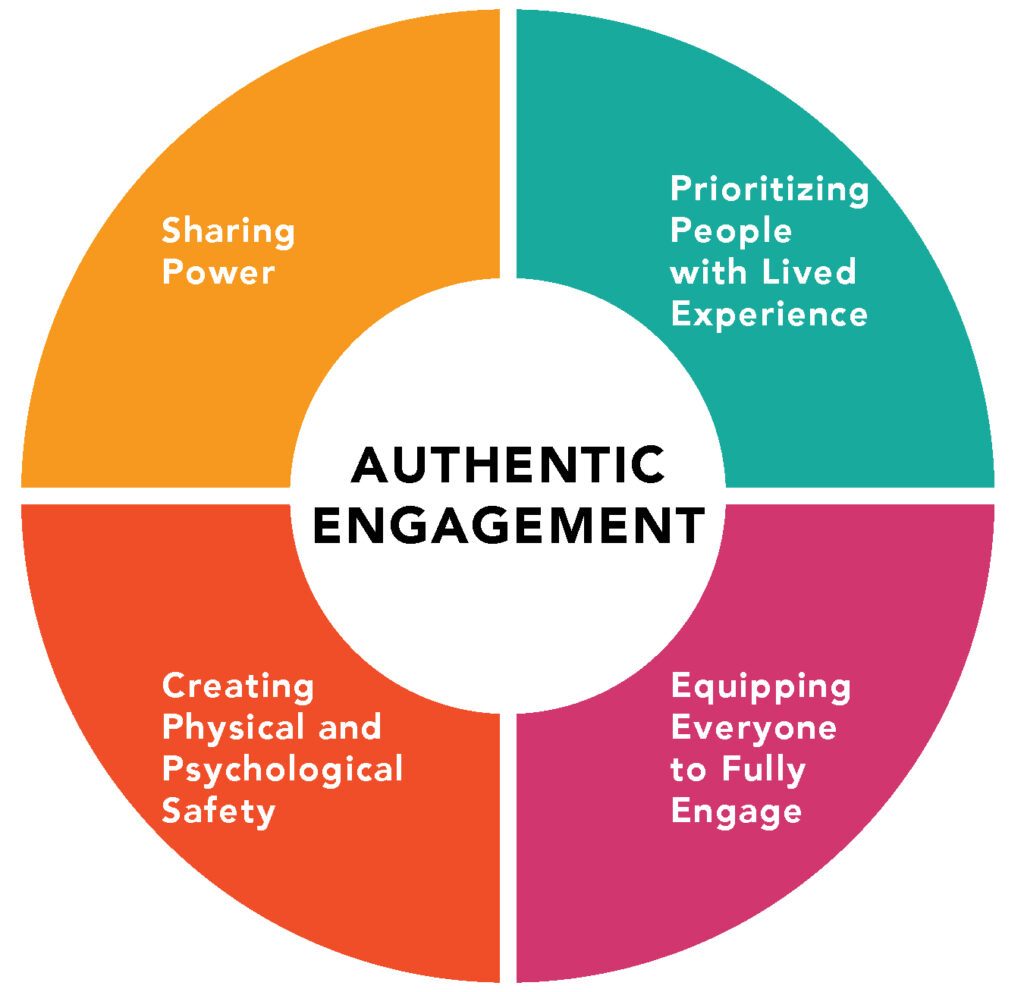
Explore the four key pillars of ChiByDesign’s approach to successful co-design with people with lived experience.

Learn about home visiting models that are effective in reducing child maltreatment.

Understand how the COVID-19 shutdown resulted in limited surveillance without compromising child safety in New York City.

Learn findings from a study that analyzed permanency and equity outcome data for families that received kinship navigation services.
Casey Family Programs files Amicus Brief with Supreme Court in support of Indian Child Welfare Act, August 2022.

Child welfare leader
How does the language used in child welfare impact families?Co-developed with parents, this brief highlights the impacts of language and why certain terms used in child welfare should be reconsidered.
Is there an effective model for serving youth involved in both the child welfare and juvenile justice systems?Explore how the Crossover Youth Practice Model provides a coordinated approach to effectively serving crossover youth.
How can data sharing across child- and family-serving systems be implemented effectively?Explore how sharing data across systems can lead to more community-based, proactive support for families.
How can the child welfare system protect young people from commercial sexual exploitation?Learn how child protection agencies and partner systems can best support youth who are victims or at risk of sex trafficking.
How can individuals with direct experience of child welfare help to reform the system?Learn findings from a national survey in which three stakeholder groups voiced the systemic challenges faced by child welfare.
What training models exist for new parent partners to become effective advocates?This appendix lists training topics and approaches that eight parent partner programs use during new parent partner onboarding.
What are key research gaps in the child welfare field?Learn findings from a national survey in which stakeholders identified important evidence gaps in child welfare research.
What are the four pillars of authentic engagement of communities and individuals with lived experience through co-design?Explore the four key pillars of ChiByDesign’s approach to successful co-design with people with lived experience.
Are home visiting programs effective in reducing child maltreatment?Learn about home visiting models that are effective in reducing child maltreatment.
Does limiting government surveillance compromise child safety?Understand how the COVID-19 shutdown resulted in limited surveillance without compromising child safety in New York City.
Do kinship navigation programs impact permanency and equity for youth?Learn findings from a study that analyzed permanency and equity outcome data for families that received kinship navigation services. 2022 Supreme Court brief filed in support of Indian Child Welfare ActCasey Family Programs files Amicus Brief with Supreme Court in support of Indian Child Welfare Act, August 2022. Get involved
|