
How does North Dakota’s ICWA Family Preservation Program help Native American families stay safely together?
Family preservationists work with the child welfare system to support ICWA compliance and preserve family, community, and cultural ties.
Family preservationists work with the child welfare system to support ICWA compliance and preserve family, community, and cultural ties.

Lived experts describe the benefits of placing siblings together and the negative consequences of keeping them apart.
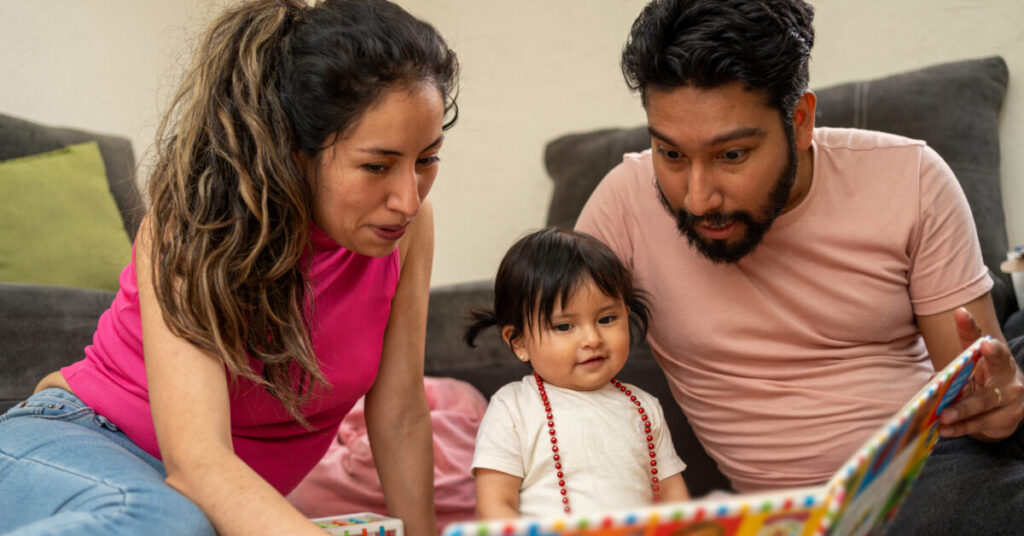
The Success Coach program offers flexible support to keep families together after permanency has been achieved.

Lived experts offer insights on permanency and recommend strategies aimed at strengthening children’s connection to family.

A study draws the association between the wellness of child welfare staff and their ability to deliver quality professional practice.

This page has resources that describe parent partner programs, illustrate their impact, and offer implementation considerations.

Youth exiting foster care without permanency need continuous resources and other support to ease their successful transition into adulthood.

When child welfare leaders nurture their own well-being, they are better able to foster a wellness-centered work culture for staff.

Leaders share workplace wellness strategies that support positive staff performance and improve service delivery for children and families.

Recent federal policy changes require states to support kinship caregivers by streamlining approvals and ensuring fair financial assistance.

Guardianship helps reduce the need for foster care while keeping children safely connected to their extended families.

Explore how child protection agencies can recruit and train affirming families to meet the unique needs of LGBTQ+ youth in foster care.

Ensure every child has a safe, supportive and lifelong family
How does North Dakota’s ICWA Family Preservation Program help Native American families stay safely together?Family preservationists work with the child welfare system to support ICWA compliance and preserve family, community, and cultural ties.
How can child protection agencies promote and support joint sibling placements and adoptions?Lived experts describe the benefits of placing siblings together and the negative consequences of keeping them apart.
How does Success Coach support North Carolina families after permanency?The Success Coach program offers flexible support to keep families together after permanency has been achieved.
How do individuals with lived experience of child welfare define permanency?Lived experts offer insights on permanency and recommend strategies aimed at strengthening children’s connection to family.
Can staff well-being impact the quality of services children and families receive?A study draws the association between the wellness of child welfare staff and their ability to deliver quality professional practice.
Parent partners: the power of peer supportThis page has resources that describe parent partner programs, illustrate their impact, and offer implementation considerations.
How can child welfare systems better support transition-age youth in foster care?Youth exiting foster care without permanency need continuous resources and other support to ease their successful transition into adulthood.
What do we know about wellness in child welfare organizations?When child welfare leaders nurture their own well-being, they are better able to foster a wellness-centered work culture for staff.
How can leaders center workforce wellness in child protection agencies?Leaders share workplace wellness strategies that support positive staff performance and improve service delivery for children and families.
How have home study and licensure requirements for kinship caregivers been simplified?Recent federal policy changes require states to support kinship caregivers by streamlining approvals and ensuring fair financial assistance.
How can guardianship support permanency and well-being?Guardianship helps reduce the need for foster care while keeping children safely connected to their extended families.
How can child protection agencies recruit and train supportive families for LGBTQ+ youth in foster care?Explore how child protection agencies can recruit and train affirming families to meet the unique needs of LGBTQ+ youth in foster care. Get involved
|