
How can individuals with direct experience of child welfare help to reform the system?
Learn findings from a national survey in which three stakeholder groups voiced the systemic challenges faced by child welfare.
Learn findings from a national survey in which three stakeholder groups voiced the systemic challenges faced by child welfare.

Explore why four principles of the Indian Child Welfare Act should form the basis of child welfare practice for all agencies.
Casey Life Skills (CLS) is a free, downloadable tool that assesses the behaviors and competencies youth need to achieve their long-term goals. It aims to set youth on their way toward developing healthy, productive lives.

This webinar deepens our understanding of parent partner programs and their positive effects on families impacted by child welfare.

David Sanders discusses how child protection agencies and providers can move upstream to provide proactive support for families.

This brief describes how the state of Washington offers voluntary services that aim to connect families to necessary resources.
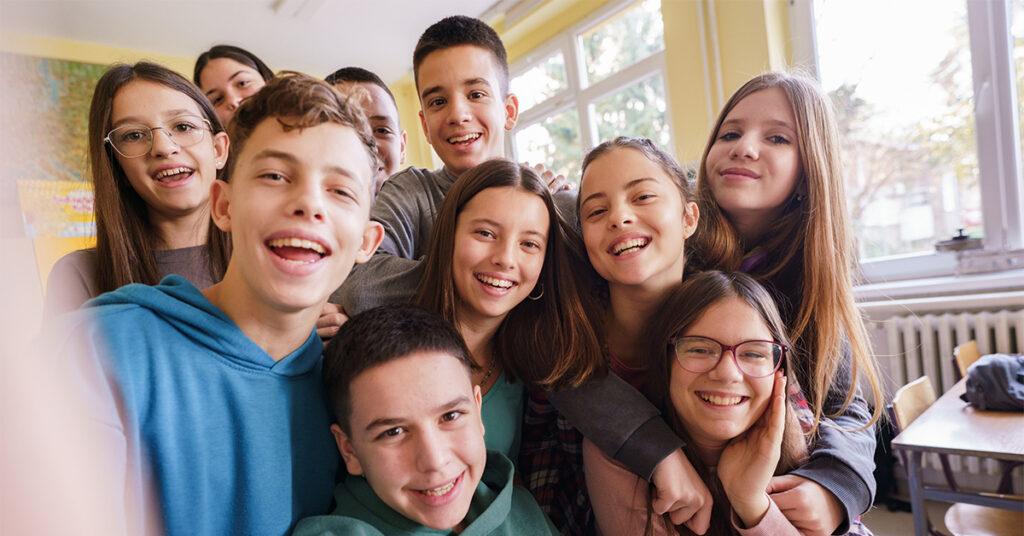
Learn about some of the strategies that are effective in securing permanent adoptions among older youth.

Learn findings from a study that examined how low-income mothers limit their engagement with needed support services for fear of CPS report.

This brief examines the parallels that exist between strategies for hiring staff and decision-making processes in child protection.

This report explores permanency outcomes for youth who, when referred to Casey services, were not residing with a family member.

Behavioral science offers ideas to improve the recruitment process for foster and adoptive parents in child welfare.

Learn about the benefits of family time for parents and children, and why it is essential for a child’s well-being.

Ensure every child has a safe, supportive and lifelong family
How can individuals with direct experience of child welfare help to reform the system?Learn findings from a national survey in which three stakeholder groups voiced the systemic challenges faced by child welfare.
How can child welfare systems apply the principles of the Indian Child Welfare Act as the “gold standard” for all children?Explore why four principles of the Indian Child Welfare Act should form the basis of child welfare practice for all agencies. Casey Life Skills ToolkitCasey Life Skills (CLS) is a free, downloadable tool that assesses the behaviors and competencies youth need to achieve their long-term goals. It aims to set youth on their way toward developing healthy, productive lives.
Parent partner programs: Understanding their value, research, impact, and applicationThis webinar deepens our understanding of parent partner programs and their positive effects on families impacted by child welfare.
How can child welfare leaders and providers reimagine support for children and families?David Sanders discusses how child protection agencies and providers can move upstream to provide proactive support for families.
How does the state of Washington provide voluntary services?This brief describes how the state of Washington offers voluntary services that aim to connect families to necessary resources.
What are some effective strategies for older youth adoption?Learn about some of the strategies that are effective in securing permanent adoptions among older youth.
Do perceptions of risk impact how mothers interact with social service providers?Learn findings from a study that examined how low-income mothers limit their engagement with needed support services for fear of CPS report.
Are there parallels between hiring and child protection processes that can help reduce bias and narrow child welfare’s front door?This brief examines the parallels that exist between strategies for hiring staff and decision-making processes in child protection.
From Data to Practice: Moving Youth to Family – Level of Need and the Impact on Legal and Relational PermanencyThis report explores permanency outcomes for youth who, when referred to Casey services, were not residing with a family member.
How can behavioral science be used to recruit foster and adoptive families?Behavioral science offers ideas to improve the recruitment process for foster and adoptive parents in child welfare.
How can frequent, quality family time promote relationships and permanency?Learn about the benefits of family time for parents and children, and why it is essential for a child’s well-being. Get involved
|