
Knowing your roots
Thanks to Kinnect, Theo was placed with fictive kin and is connected to his siblings and extended family.
Thanks to Kinnect, Theo was placed with fictive kin and is connected to his siblings and extended family.

Thanks to kinship care, Keeton Byerly was raised by his grandfather instead of being placed into foster care.
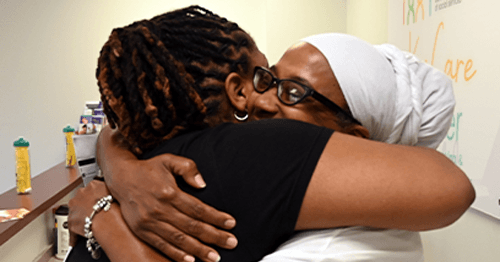
The KinCare Center is a physical representation of Baltimore City DSS’s commitment to supporting kinship families.
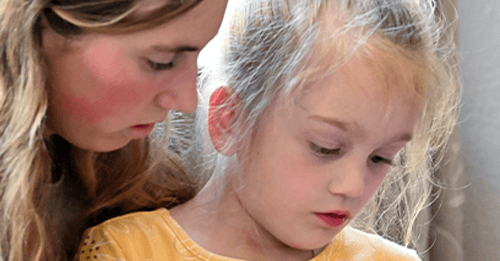
Thanks to state-provided support, Bristol was able to receive specialized care from her grandmother after being separated from her mother.

California’s child welfare leaders explain why the state focuses on kinship care and supporting kinship caregivers in this Q&A.

Learn from a research study examining policies around CPS investigations of families with newborns who test positive for cannabis exposure.

Learn from a study examining racial disparities in treatment for CPS-involved caregivers with mental health or substance use disorders.

Explore the seven levers of transforming mandated reporting, as identified by child protection agency leaders and lived experts.
Explore promising models for child protection agencies to meet the needs of non-citizen children in foster care.

Explore strategies of trauma-sensitive casework practices when investigations, removals, and placements are necessary.

Actions around child protection investigations, removals, and placements have traumatic effects on children, parents, and caregivers.
Learn from a research study of pediatric trauma incidents that analyzed incidents of child abuse found racial disparities.

Safely reduce the need for foster care across the nation
Knowing your rootsThanks to Kinnect, Theo was placed with fictive kin and is connected to his siblings and extended family.
‘I don’t know who I would be’Thanks to kinship care, Keeton Byerly was raised by his grandfather instead of being placed into foster care.
Baltimore: ‘All in for kin’The KinCare Center is a physical representation of Baltimore City DSS’s commitment to supporting kinship families.
Support means Bristol can stay with familyThanks to state-provided support, Bristol was able to receive specialized care from her grandmother after being separated from her mother.
Q&A: Kin-first culture in CaliforniaCalifornia’s child welfare leaders explain why the state focuses on kinship care and supporting kinship caregivers in this Q&A.
Does prenatal cannabis exposure pose a risk of subsequent child maltreatment?Learn from a research study examining policies around CPS investigations of families with newborns who test positive for cannabis exposure.
Do treatment disparities exist among child welfare-involved caregivers?Learn from a study examining racial disparities in treatment for CPS-involved caregivers with mental health or substance use disorders.
How are some jurisdictions transforming mandated reporting?Explore the seven levers of transforming mandated reporting, as identified by child protection agency leaders and lived experts.
How can child protection agencies address the immigration needs of non-citizen children in foster care?Explore promising models for child protection agencies to meet the needs of non-citizen children in foster care.
How can investigation, removal, and placement processes be more trauma-informed?Explore strategies of trauma-sensitive casework practices when investigations, removals, and placements are necessary.
How do investigation, removal, and placement cause trauma for families?Actions around child protection investigations, removals, and placements have traumatic effects on children, parents, and caregivers.
Do racial disparities play a role in child abuse detection?Learn from a research study of pediatric trauma incidents that analyzed incidents of child abuse found racial disparities. Get involved
|