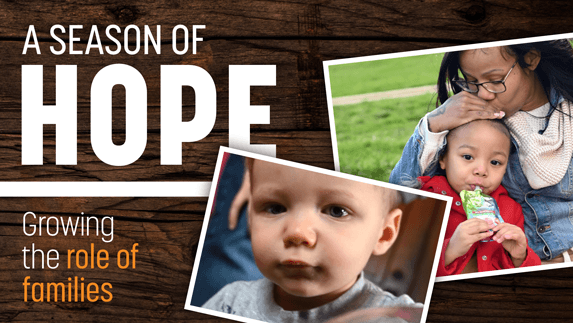
What strategies support pregnant and parenting teens in foster care?
Learn about effective strategies and programs that meet the unique needs of pregnant and parenting teens in foster care.
Learn about effective strategies and programs that meet the unique needs of pregnant and parenting teens in foster care.

This jurisdictional scan profiles how California is collaborating across agencies to support and fund prevention services for families.

Investing in healing interventions for families affected by substance use disorder can promote recovery and mitigate family separation.

Learn how San Francisco uses Medicaid Administrative Activities (MAA) as a federal funding source to support its family resource centers.

Explore strategies, jurisdictional examples, and resources for making progress in reducing unplanned teen pregnancy among youth in care.
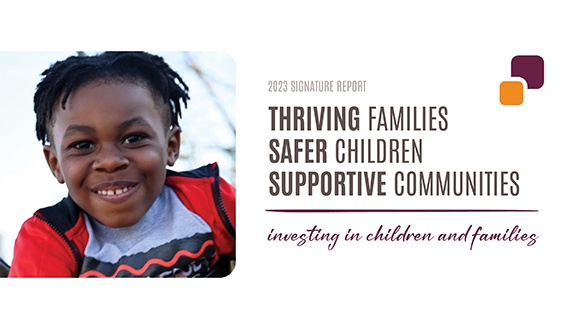
Learn how communities are engaging effectively with lived experience, addressing the system and investing in families.

Understand the benefits of employing youth peer mentors to support young people impacted by the child welfare system.

This appendix lists training topics and approaches that eight parent partner programs use during new parent partner onboarding.

Explore how analyzing hotline data can inform and improve practice, aid in prevention efforts, and connect families to resources.

This information packet provides guidance on how to help youth in foster care keep their academic credits when they have to change schools.

Learn how two specialized programs are collaborating to support young children with complex developmental and behavioral health needs.

California
What strategies support pregnant and parenting teens in foster care?Learn about effective strategies and programs that meet the unique needs of pregnant and parenting teens in foster care.
How do California’s child protection agencies collaborate to prevent foster care and support family well-being?This jurisdictional scan profiles how California is collaborating across agencies to support and fund prevention services for families.
How can families affected by substance use disorder safely stay together?Investing in healing interventions for families affected by substance use disorder can promote recovery and mitigate family separation.
Can Medicaid be leveraged as a sustainable source of prevention funding for family resource centers?Learn how San Francisco uses Medicaid Administrative Activities (MAA) as a federal funding source to support its family resource centers.
What strategies can help prevent unintended pregnancy for youth in foster care?Explore strategies, jurisdictional examples, and resources for making progress in reducing unplanned teen pregnancy among youth in care.
Thriving Families, Safer Children, Supportive CommunitiesLearn how communities are engaging effectively with lived experience, addressing the system and investing in families.
What are some considerations for employing and supporting youth peer mentors in child welfare?Understand the benefits of employing youth peer mentors to support young people impacted by the child welfare system.
What training models exist for new parent partners to become effective advocates?This appendix lists training topics and approaches that eight parent partner programs use during new parent partner onboarding.
How can hotline data help child protection agencies better support families?Explore how analyzing hotline data can inform and improve practice, aid in prevention efforts, and connect families to resources.
How do jurisdictions ensure that youth in care receive the academic credits they have earned when they move?This information packet provides guidance on how to help youth in foster care keep their academic credits when they have to change schools.
How has San Diego County prioritized developmental screening, assessment, and treatment for young children?Learn how two specialized programs are collaborating to support young children with complex developmental and behavioral health needs. Get involved
|