
What should child protection agencies consider when working with children whose parent or primary caregiver is incarcerated?
Learn how child protection agencies can support children whose parent or primary caregiver is incarcerated.
Learn how child protection agencies can support children whose parent or primary caregiver is incarcerated.

Explore strategies for supporting relationships and visits between children in out-of-home care and parents who are incarcerated.

This Q&A explores how Rise, a parent-led organization in New York City, works to influence and make changes to the child welfare system.

Co-developed with parents, this brief highlights the impacts of language and why certain terms used in child welfare should be reconsidered.

Explore how the Crossover Youth Practice Model provides a coordinated approach to effectively serving crossover youth.

Explore how sharing data across systems can lead to more community-based, proactive support for families.

Learn how child protection agencies and partner systems can best support youth who are victims or at risk of sex trafficking.

This appendix lists training topics and approaches that eight parent partner programs use during new parent partner onboarding.
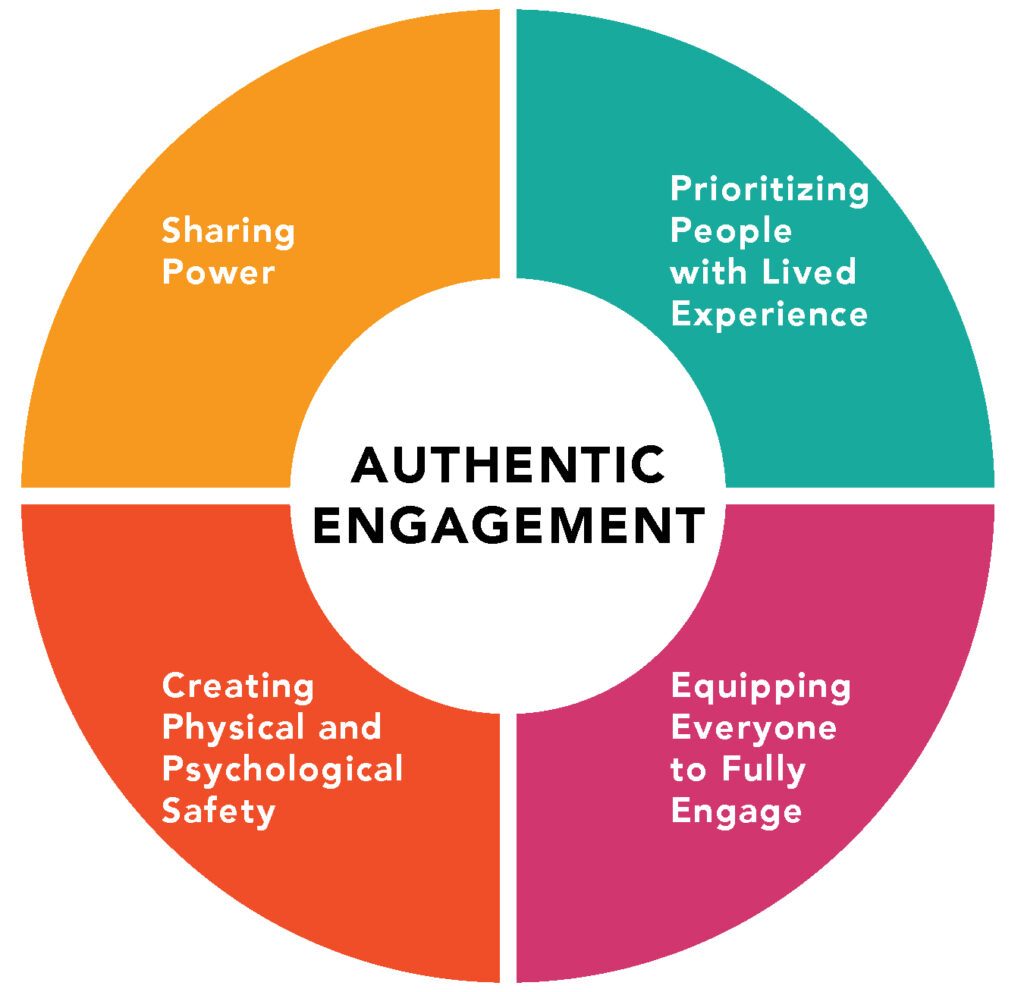
Explore the four key pillars of ChiByDesign’s approach to successful co-design with people with lived experience.

Learn about home visiting models that are effective in reducing child maltreatment.

Learn how multidisciplinary preventive legal advocacy programs support families in addressing and mitigating legal issues upstream.

Explore how analyzing hotline data can inform and improve practice, aid in prevention efforts, and connect families to resources.

Brief
What should child protection agencies consider when working with children whose parent or primary caregiver is incarcerated?Learn how child protection agencies can support children whose parent or primary caregiver is incarcerated.
How can child protection agencies support children spending time with their parents who are incarcerated?Explore strategies for supporting relationships and visits between children in out-of-home care and parents who are incarcerated.
How are parents impacted by the child welfare system leading the way in parent advocacy?This Q&A explores how Rise, a parent-led organization in New York City, works to influence and make changes to the child welfare system.
How does the language used in child welfare impact families?Co-developed with parents, this brief highlights the impacts of language and why certain terms used in child welfare should be reconsidered.
Is there an effective model for serving youth involved in both the child welfare and juvenile justice systems?Explore how the Crossover Youth Practice Model provides a coordinated approach to effectively serving crossover youth.
How can data sharing across child- and family-serving systems be implemented effectively?Explore how sharing data across systems can lead to more community-based, proactive support for families.
How can the child welfare system protect young people from commercial sexual exploitation?Learn how child protection agencies and partner systems can best support youth who are victims or at risk of sex trafficking.
What training models exist for new parent partners to become effective advocates?This appendix lists training topics and approaches that eight parent partner programs use during new parent partner onboarding.
What are the four pillars of authentic engagement of communities and individuals with lived experience through co-design?Explore the four key pillars of ChiByDesign’s approach to successful co-design with people with lived experience.
Are home visiting programs effective in reducing child maltreatment?Learn about home visiting models that are effective in reducing child maltreatment.
What are community-based, multidisciplinary preventive legal advocacy programs?Learn how multidisciplinary preventive legal advocacy programs support families in addressing and mitigating legal issues upstream.
How can hotline data help child protection agencies better support families?Explore how analyzing hotline data can inform and improve practice, aid in prevention efforts, and connect families to resources. Get involved
|