
How can child protection agencies recruit and train supportive families for LGBTQ+ youth in foster care?
Explore how child protection agencies can recruit and train affirming families to meet the unique needs of LGBTQ+ youth in foster care.
Explore how child protection agencies can recruit and train affirming families to meet the unique needs of LGBTQ+ youth in foster care.
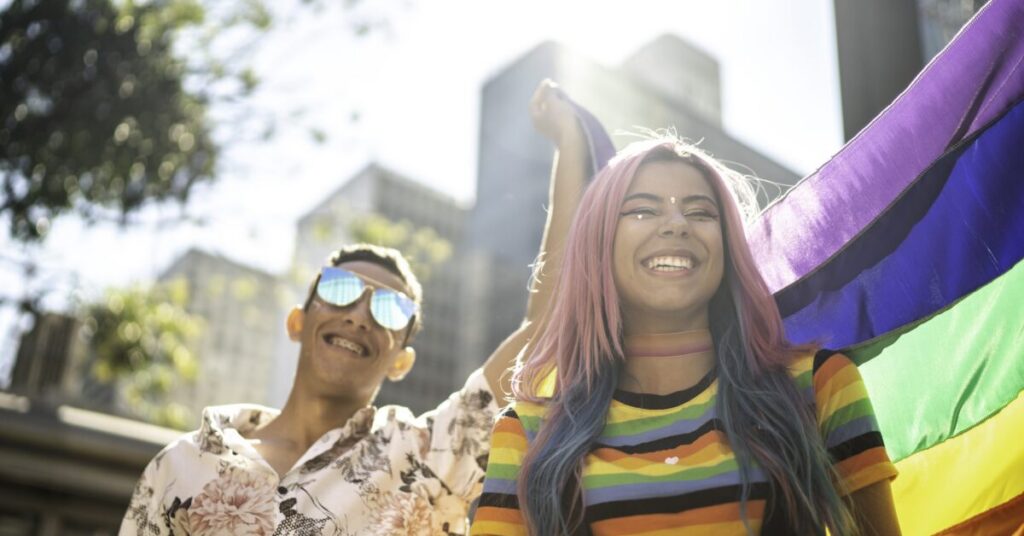
Learn about the unique safety needs of LGBTQ+ youth in foster care and the affirming approaches to promote their well-being.

Learn how agency-operated helplines in Washington, D.C., and New York City were developed and are being implemented.

Explore how helplines can proactively connect families to services and prevent unnecessary involvement in the child welfare system.

Understand how child safety is defined and assessed from the perspectives of individuals with lived experience in the child welfare system.

This information packet provides an overview of the tools that child protection agencies use most often to assess the safety of children.
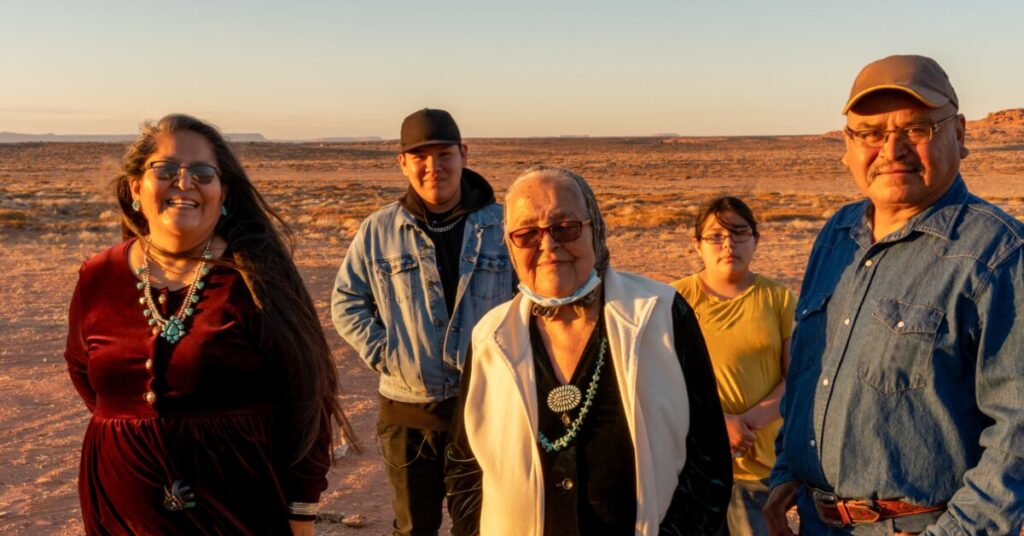
Learn lessons from American Indian, Alaska Native and Native Hawaiian elders who pass down wisdom to help Indigenous children thrive.

Explore strategies underway in three jurisdictions for reforming mandated reporting through updated education and training.

This information packet aids in selecting screening and assessment tools that support child well-being and informs case decision-making.

Explore effective strategies that child protection agencies can use to recruit and retain traditional and therapeutic resource families.
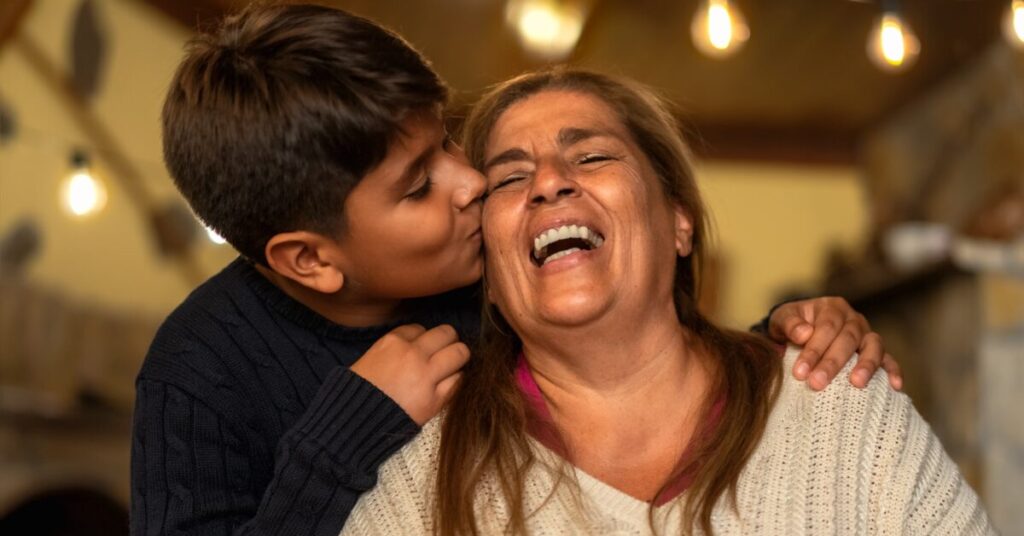
Learn how New Jersey, Oklahoma, and Washington state have recruited and retained resource families.

Learn about a range of family-based placement settings that are tailored to the needs of the child being placed in foster care.

Brief
How can child protection agencies recruit and train supportive families for LGBTQ+ youth in foster care?Explore how child protection agencies can recruit and train affirming families to meet the unique needs of LGBTQ+ youth in foster care.
What are some safety considerations for LGBTQ+ youth in foster care?Learn about the unique safety needs of LGBTQ+ youth in foster care and the affirming approaches to promote their well-being.
What are two examples of helplines operated by child protection agencies?Learn how agency-operated helplines in Washington, D.C., and New York City were developed and are being implemented.
How do helplines support children and families?Explore how helplines can proactively connect families to services and prevent unnecessary involvement in the child welfare system.
How do lived experts define and assess child safety?Understand how child safety is defined and assessed from the perspectives of individuals with lived experience in the child welfare system.
What are some examples of safety and risk assessments?This information packet provides an overview of the tools that child protection agencies use most often to assess the safety of children.
What roles can elders play to help children thrive and prevent them from entering foster care?Learn lessons from American Indian, Alaska Native and Native Hawaiian elders who pass down wisdom to help Indigenous children thrive.
What are examples of updated mandated reporter education, training, and tools?Explore strategies underway in three jurisdictions for reforming mandated reporting through updated education and training.
What are some screening and assessment tools that help support children’s well-being?This information packet aids in selecting screening and assessment tools that support child well-being and informs case decision-making.
What are some strategies for finding and keeping resource families?Explore effective strategies that child protection agencies can use to recruit and retain traditional and therapeutic resource families.
How have some child protection agencies recruited and retained resource families?Learn how New Jersey, Oklahoma, and Washington state have recruited and retained resource families.
What are family-based placements?Learn about a range of family-based placement settings that are tailored to the needs of the child being placed in foster care. Get involved
|