
What supports can benefit kinship caregivers in families affected by substance use disorder?
Learn how the child welfare system can support kinship caregivers whose families are affected by substance use disorders.
Learn how the child welfare system can support kinship caregivers whose families are affected by substance use disorders.

Explore guiding principles that child protection agencies should follow when providing trauma-informed, healing-centered services.

Learn about evidence-based strategies to mitigate effects of prenatal substance exposure and support children across developmental stages.

Learn about evidence-based strategies to mitigate effects of prenatal substance exposure during prenatal, birth, and postpartum periods.

Learn how the practice of hidden foster care can cause harm to families and why it should be avoided.

Explore four principles that child welfare agencies should consider as they work to end the need for group placement settings.

Explore three key principles to learn how child protection agencies can make placing children with kin caregivers a universal practice.

Learn about the key elements of successful parent partner programs that offer support, guidance, and hope to birth parents.

Learn about program development and funding stream recommendations from kinship navigator program experts in several states.
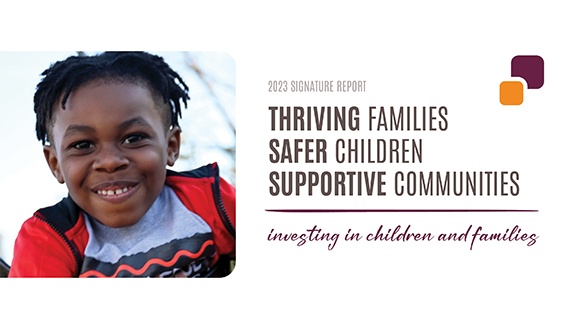
Learn how communities are engaging effectively with lived experience, addressing the system and investing in families.

Explore the promising approaches that have demonstrated a positive impact in improving placement stability.
This law provides opportunities for states and tribes to better serve children and families by preventing the need for foster care and supporting better outcomes for children in care. Explore these resources to learn more.

Birth family engagement
What supports can benefit kinship caregivers in families affected by substance use disorder?Learn how the child welfare system can support kinship caregivers whose families are affected by substance use disorders.
What are key principles child protection agencies should follow when providing trauma treatment and healing-centered services?Explore guiding principles that child protection agencies should follow when providing trauma-informed, healing-centered services.
What are some developmentally appropriate interventions for infants and children affected by prenatal substance exposure?Learn about evidence-based strategies to mitigate effects of prenatal substance exposure and support children across developmental stages.
What are some evidence-based interventions to prevent and mitigate the effects of prenatal substance exposure?Learn about evidence-based strategies to mitigate effects of prenatal substance exposure during prenatal, birth, and postpartum periods.
How is the practice of hidden foster care inconsistent with federal policy and harmful to children and families?Learn how the practice of hidden foster care can cause harm to families and why it should be avoided.
How can we end the need for group placements in child welfare?Explore four principles that child welfare agencies should consider as they work to end the need for group placement settings.
What should every child protection agency do to ensure that children are placed with kin?Explore three key principles to learn how child protection agencies can make placing children with kin caregivers a universal practice.
What are the key elements for sustaining, expanding, and spreading parent partner programs?Learn about the key elements of successful parent partner programs that offer support, guidance, and hope to birth parents.
How are kinship navigator programs developed and funded?Learn about program development and funding stream recommendations from kinship navigator program experts in several states.
Thriving Families, Safer Children, Supportive CommunitiesLearn how communities are engaging effectively with lived experience, addressing the system and investing in families.
How can we improve placement stability for children in foster care?Explore the promising approaches that have demonstrated a positive impact in improving placement stability. Family First Prevention Services ActThis law provides opportunities for states and tribes to better serve children and families by preventing the need for foster care and supporting better outcomes for children in care. Explore these resources to learn more. Get involved
|