Foster Care Redesign in Duval and Alachua Counties: An Implementation Assessment and Research Chronicle
This assessment looks at how two counties shifted from emphasizing foster care as a first option to offering family preservation services.
This assessment looks at how two counties shifted from emphasizing foster care as a first option to offering family preservation services.
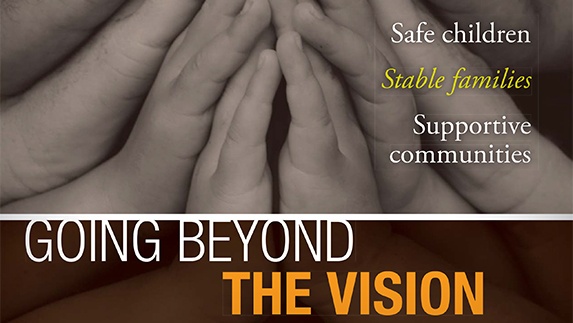
Going beyond the vision means embracing a future where all children are safe, all families are stable and all communities are supportive.
This white paper describes the accountability framework needed for smart investment of federal funding in child welfare.
This white paper analyzes how child welfare funding structures can align with the goal of providing safe, nurturing and permanent families for all children.
This report illustrates changes under way in the Prevention Initiative Demonstration Project, aimed at reducing child abuse and neglect in LA County.
This study evaluates the effectiveness of the Nurturing Parenting Program for infants, toddlers and pre-school children.
Dr. William C. Bell addresses Fordham University’s Graduate School of Social Sciences.
Dr. William C. Bell speaks to the Congressional Subcommittee on Income Security and Family Support.

Child safetyFoster Care Redesign in Duval and Alachua Counties: An Implementation Assessment and Research ChronicleThis assessment looks at how two counties shifted from emphasizing foster care as a first option to offering family preservation services.
Going Beyond the Vision: 2011 Signature ReportGoing beyond the vision means embracing a future where all children are safe, all families are stable and all communities are supportive. The Role of Accountability in Child Welfare Finance ReformThis white paper describes the accountability framework needed for smart investment of federal funding in child welfare. The Need for Federal Finance Reform: Ensuring Safe, Nurturing and Permanent Families for ChildrenThis white paper analyzes how child welfare funding structures can align with the goal of providing safe, nurturing and permanent families for all children. Prevention Initiative Demonstration ProjectThis report illustrates changes under way in the Prevention Initiative Demonstration Project, aimed at reducing child abuse and neglect in LA County. Evaluation of a Parent Education Program in Louisiana: The Nurturing Parenting Program for Infants, Toddlers and Pre-School ChildrenThis study evaluates the effectiveness of the Nurturing Parenting Program for infants, toddlers and pre-school children. It is time to shift the child-as-client paradigmDr. William C. Bell addresses Fordham University’s Graduate School of Social Sciences. Child welfare funding: Align it with best practicesDr. William C. Bell speaks to the Congressional Subcommittee on Income Security and Family Support. Get involved
|