How can child- and family-serving agencies select evidence-based programs that are the right fit?
Identifying appropriate evidence-based practices and programs can help ensure families get the right services and support.
Identifying appropriate evidence-based practices and programs can help ensure families get the right services and support.

Learn how child protection agencies and domestic violence programs can work collaboratively to best address child safety and well-being.

This family-centered substance abuse treatment planning brief outlines funding approaches and program implementation strategies.

San Diego County’s Safety Organized Practice model builds partnerships between families and child welfare using a strengths-based approach.

Explore strategies that promote timely permanency for children in foster care, with a focus on family reunification.
Preventive legal representation is an effective upstream intervention that can help families keep children safely at home.
This report provides key considerations for jurisdictions grappling with the intersection of behavioral health needs and child welfare system.
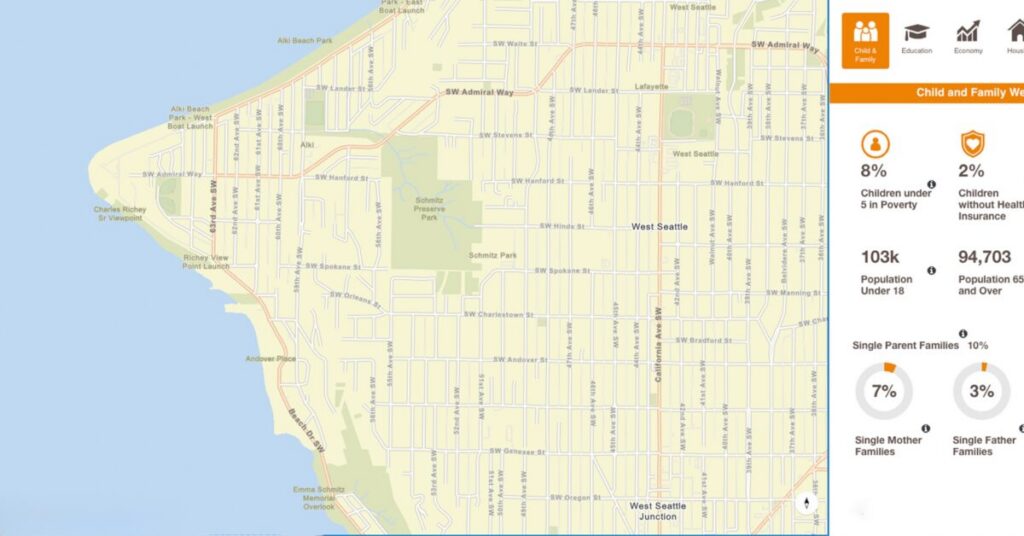
This map tool helps public-private partnerships create precise, local strategic plans to invest in hope and support families.
This map tool helps direct service providers to better understand the neighborhoods where their clients live and support families.

Learn from parent advocates about how child welfare leaders can share power effectively and successfully with the families they serve.

Explore some potential benefits and challenges of remote family court hearings, as well as resources for effectively conducting them.

Collaboration and partnership
How can child- and family-serving agencies select evidence-based programs that are the right fit?Identifying appropriate evidence-based practices and programs can help ensure families get the right services and support.
How can child welfare partner with other systems to support families experiencing domestic violence?Learn how child protection agencies and domestic violence programs can work collaboratively to best address child safety and well-being.
Family-Centered Substance Abuse Treatment Planning BriefThis family-centered substance abuse treatment planning brief outlines funding approaches and program implementation strategies.
How was Safety Organized Practice implemented in San Diego County?San Diego County’s Safety Organized Practice model builds partnerships between families and child welfare using a strengths-based approach.
What strategies facilitate safe family reunification?Explore strategies that promote timely permanency for children in foster care, with a focus on family reunification.
How can pre-petition legal representation help strengthen families and keep them together?Preventive legal representation is an effective upstream intervention that can help families keep children safely at home. Creating healing pathways for children with behavioral health needsThis report provides key considerations for jurisdictions grappling with the intersection of behavioral health needs and child welfare system. How Families Forward Virginia used the Community Opportunity Map to build a Family Resource Center networkThis map tool helps public-private partnerships create precise, local strategic plans to invest in hope and support families. How our San Antonio foster care staff used the Community Opportunity Map to support familiesThis map tool helps direct service providers to better understand the neighborhoods where their clients live and support families.
How can we move towards systems transformation by sharing power with parents who have lived experience of child welfare?Learn from parent advocates about how child welfare leaders can share power effectively and successfully with the families they serve.
What do we know about remote court hearings?Explore some potential benefits and challenges of remote family court hearings, as well as resources for effectively conducting them. Get involved
|