
State Data
Explore data about state approaches, children in care, and how money is invested in foster care vs. preventive and permanency services.
Explore data about state approaches, children in care, and how money is invested in foster care vs. preventive and permanency services.

Learn how Texas invested in primary and secondary prevention programs to prevent child maltreatment using a public health framework.

Explore trends in child abuse and neglect investigations of infants due to reports from medical professionals.

Learn about the key elements of successful parent partner programs that offer support, guidance, and hope to birth parents.

Learn about child welfare workforce turnover, its challenges to child protection agencies, and the impact it has on children and families.

Learn from research that explores how policies that reduce child poverty would result in lower involvement with child protective services.
How would reducing child poverty affect referrals to CPS and foster care placements? Would it reduce racial disproportionality? Learn more.
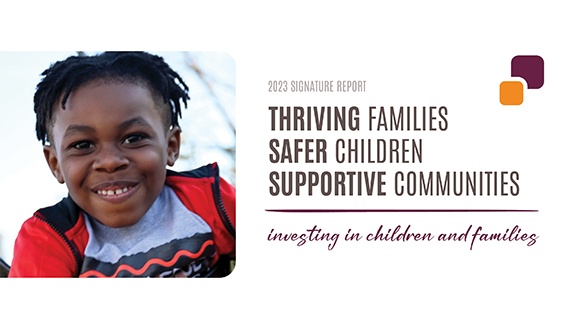
Learn how communities are engaging effectively with lived experience, addressing the system and investing in families.

Learn how child protection agencies can support children whose parent or primary caregiver is incarcerated.
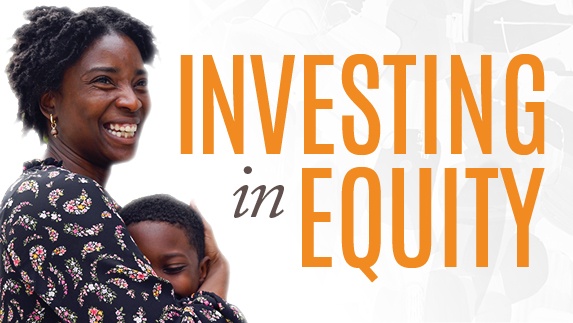
Investing in families means strengthening them, not separating them unnecessarily. Explore our signature report to learn more.

Explore how sharing data across systems can lead to more community-based, proactive support for families.

Understand how the COVID-19 shutdown resulted in limited surveillance without compromising child safety in New York City.

Data
State DataExplore data about state approaches, children in care, and how money is invested in foster care vs. preventive and permanency services.
How has Texas advanced a public health approach to the prevention of abuse and neglect?Learn how Texas invested in primary and secondary prevention programs to prevent child maltreatment using a public health framework.
How have rates of infant investigations due to reports from medical professionals changed over time?Explore trends in child abuse and neglect investigations of infants due to reports from medical professionals.
What are the key elements for sustaining, expanding, and spreading parent partner programs?Learn about the key elements of successful parent partner programs that offer support, guidance, and hope to birth parents.
How does turnover in the child welfare workforce impact children and families?Learn about child welfare workforce turnover, its challenges to child protection agencies, and the impact it has on children and families.
Can reductions in child poverty impact involvement with child protective services?Learn from research that explores how policies that reduce child poverty would result in lower involvement with child protective services. The effects of child poverty reductions on child protective services involvementHow would reducing child poverty affect referrals to CPS and foster care placements? Would it reduce racial disproportionality? Learn more.
Thriving Families, Safer Children, Supportive CommunitiesLearn how communities are engaging effectively with lived experience, addressing the system and investing in families.
What should child protection agencies consider when working with children whose parent or primary caregiver is incarcerated?Learn how child protection agencies can support children whose parent or primary caregiver is incarcerated.
Investing in Equity: Sustaining hope for children and familiesInvesting in families means strengthening them, not separating them unnecessarily. Explore our signature report to learn more.
How can data sharing across child- and family-serving systems be implemented effectively?Explore how sharing data across systems can lead to more community-based, proactive support for families.
Does limiting government surveillance compromise child safety?Understand how the COVID-19 shutdown resulted in limited surveillance without compromising child safety in New York City. Get involved
|