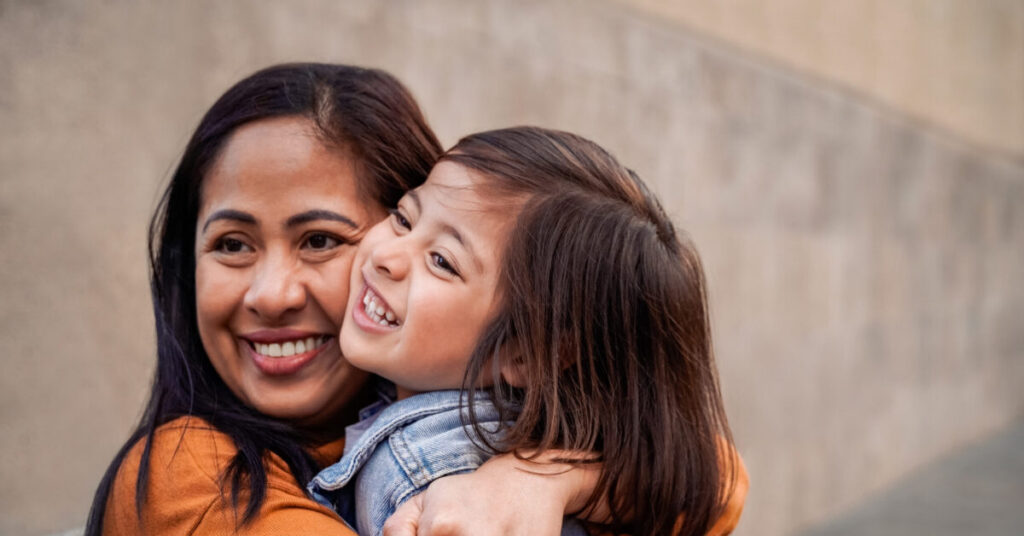
How does North Dakota’s ICWA Family Preservation Program help Native American families stay safely together?
Family preservationists work with the child welfare system to support ICWA compliance and preserve family, community, and cultural ties.
Family preservationists work with the child welfare system to support ICWA compliance and preserve family, community, and cultural ties.
This information packet provides an overview of the tools that child protection agencies use most often to assess the safety of children.
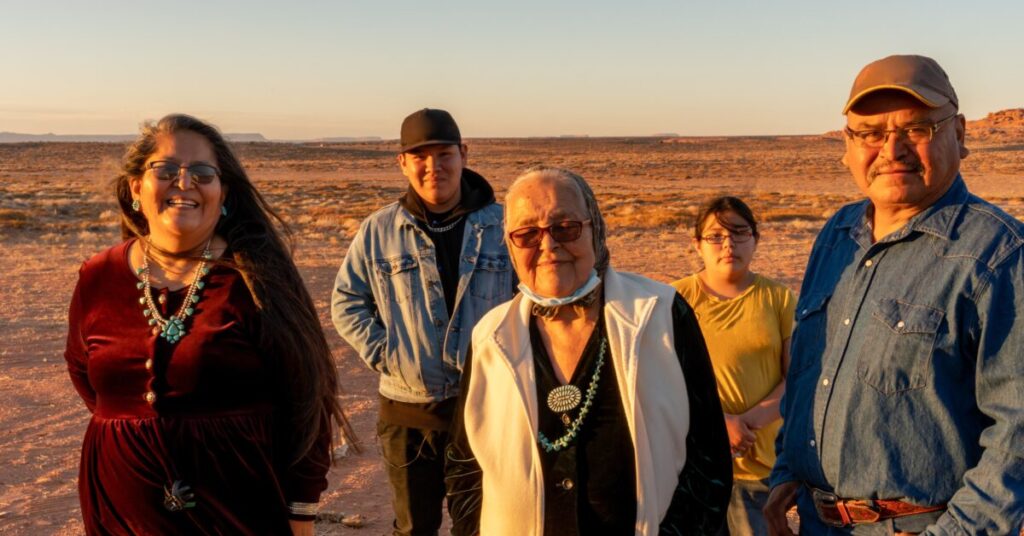
Learn lessons from American Indian, Alaska Native and Native Hawaiian elders who pass down wisdom to help Indigenous children thrive.

Learn how principles of the Indian Child Welfare Act are carried out in ICWA courts and their impact on permanency and reunification.
The federal apology on Indian boarding schools is an important step in acknowledging the deep and lasting impact on Native communities.

Learn about effective family search and engagement strategies for locating relatives and fictive kin for children in out-of-home care.
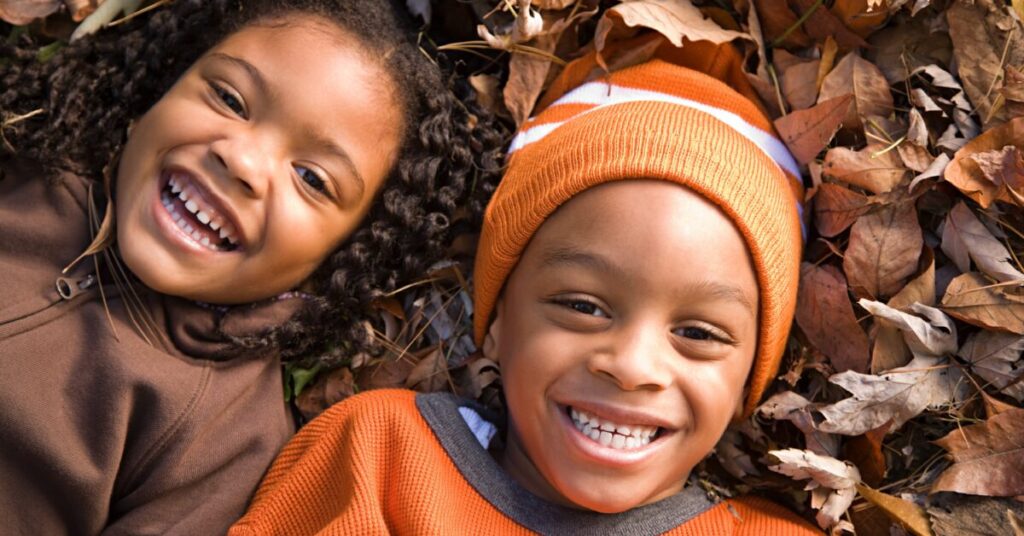
This jurisdictional scan profiles how SRPMIC is collaborating across agencies to support and fund prevention services for families.
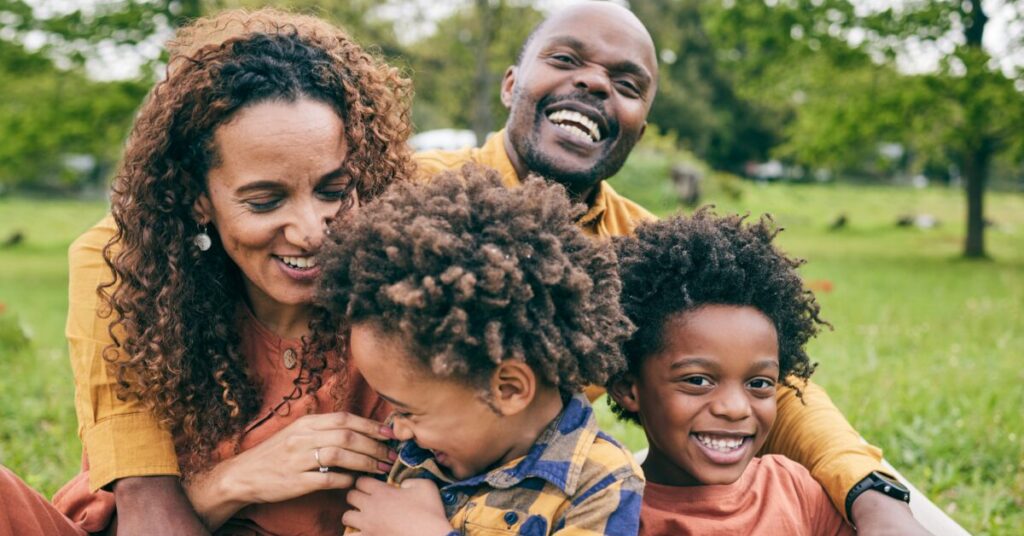
Explore the lessons of a Race Equity Improvement Collaborative and how its jurisdictions are advancing equity in child welfare.

Explore why it is important for child protection agencies to involve and engage with fathers and how barriers to doing so can be addressed.
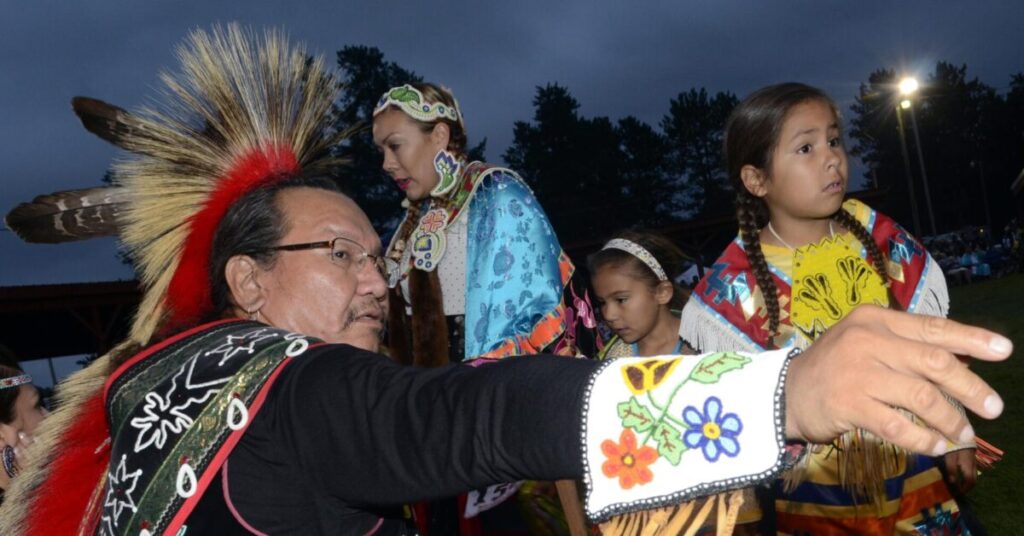
We are more committed than ever to supporting tribal nations in building hope for children and families and ensuring ICWA is fully implemented.
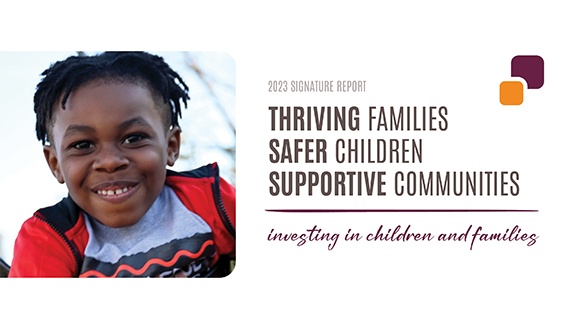
Learn how communities are engaging effectively with lived experience, addressing the system and investing in families.

ICWA
How does North Dakota’s ICWA Family Preservation Program help Native American families stay safely together?Family preservationists work with the child welfare system to support ICWA compliance and preserve family, community, and cultural ties.
What are some examples of safety and risk assessments?This information packet provides an overview of the tools that child protection agencies use most often to assess the safety of children.
What roles can elders play to help children thrive and prevent them from entering foster care?Learn lessons from American Indian, Alaska Native and Native Hawaiian elders who pass down wisdom to help Indigenous children thrive.
What lessons can we learn from ICWA courts?Learn how principles of the Indian Child Welfare Act are carried out in ICWA courts and their impact on permanency and reunification. Casey Family Programs statement on Indian boarding schoolsThe federal apology on Indian boarding schools is an important step in acknowledging the deep and lasting impact on Native communities.
What are some examples of effective family search and engagement?Learn about effective family search and engagement strategies for locating relatives and fictive kin for children in out-of-home care.
How does Salt River Pima-Maricopa Indian Community’s child protection agency collaborate to prevent foster care and support family well-being?This jurisdictional scan profiles how SRPMIC is collaborating across agencies to support and fund prevention services for families.
What are jurisdictions learning and doing as they address racial disparities in child welfare?Explore the lessons of a Race Equity Improvement Collaborative and how its jurisdictions are advancing equity in child welfare.
Why should child protection agencies engage and involve all fathers?Explore why it is important for child protection agencies to involve and engage with fathers and how barriers to doing so can be addressed.
Gold standard principles of ICWA upheldWe are more committed than ever to supporting tribal nations in building hope for children and families and ensuring ICWA is fully implemented.
Thriving Families, Safer Children, Supportive CommunitiesLearn how communities are engaging effectively with lived experience, addressing the system and investing in families. Get involved
|