
How are some child protection agencies attending to Qualified Residential Treatment Program requirements?
Learn from five state agencies about their strategies for implementing the QRTP requirements of the Family First Prevention Services Act.
Learn from five state agencies about their strategies for implementing the QRTP requirements of the Family First Prevention Services Act.

Learn how agencies can prepare to involve and share power with youth through youth advisory boards.

Learn how to invest in youth partners to improve and transform the child welfare system.

Learn how organizations, partners, and key stakeholders can assess their readiness to co-design with people with lived experience.

This webinar deepens our understanding of parent partner programs and their positive effects on families impacted by child welfare.
Constituent voices are key to understanding how we can support families in raising safe, happy and healthy children. Hear what they have to say.

Learn about a resource guide that was created and distributed in New Hampshire to support child and family well-being.

In this Q&A, parents describe their personal experience with the child protection system and how agencies can engage better with parents.

This strategy brief describes how New Hampshire used Requests for Information to expand and improve its prevention service array.

Explore how Youth Support Partners provide peer support and influence child welfare policy and practice in Allegheny County, Pa.
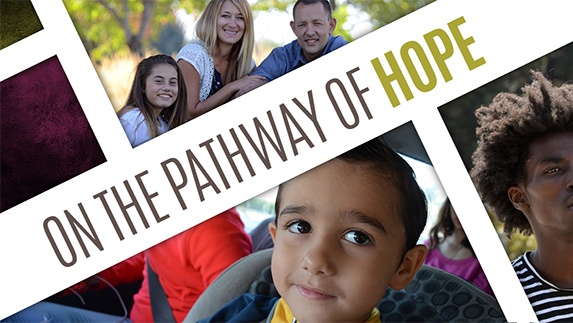
What would the child welfare system look like if we could better support families before they are in crisis? Learn more in our 2019 signature report.

Families involved with child welfare systems can offer critical insights and feedback. Learn to design systems driven by their expertise.

Lived experience
How are some child protection agencies attending to Qualified Residential Treatment Program requirements?Learn from five state agencies about their strategies for implementing the QRTP requirements of the Family First Prevention Services Act.
What are some best practices for recruiting and working with youth advisory boards?Learn how agencies can prepare to involve and share power with youth through youth advisory boards.
What does it mean to value youth partners as assets?Learn how to invest in youth partners to improve and transform the child welfare system.
How can organizations assess their readiness to co-design?Learn how organizations, partners, and key stakeholders can assess their readiness to co-design with people with lived experience.
Parent partner programs: Understanding their value, research, impact, and applicationThis webinar deepens our understanding of parent partner programs and their positive effects on families impacted by child welfare. Lifting Up VoicesConstituent voices are key to understanding how we can support families in raising safe, happy and healthy children. Hear what they have to say.
How did New Hampshire create and distribute a resource guide to support child and family well-being?Learn about a resource guide that was created and distributed in New Hampshire to support child and family well-being.
How can child protection agencies authentically engage with parents?In this Q&A, parents describe their personal experience with the child protection system and how agencies can engage better with parents.
How did New Hampshire use a Request for Information to generate innovations in prevention programming?This strategy brief describes how New Hampshire used Requests for Information to expand and improve its prevention service array.
How can Youth Support Partners create stronger engagement with child welfare-involved youth?Explore how Youth Support Partners provide peer support and influence child welfare policy and practice in Allegheny County, Pa.
On The Pathway of Hope: 2019 Signature ReportWhat would the child welfare system look like if we could better support families before they are in crisis? Learn more in our 2019 signature report.
How can we prioritize constituent voice and choice to transform foster care?Families involved with child welfare systems can offer critical insights and feedback. Learn to design systems driven by their expertise. Get involved
|