
What resources are available to support trauma-informed, healing-centered approaches in child welfare?
Explore resources on the topic of trauma-informed, healing-centered child welfare systems that can be used to inform policy and practice.
Explore resources on the topic of trauma-informed, healing-centered child welfare systems that can be used to inform policy and practice.

Explore guiding principles that child protection agencies should follow when providing trauma-informed, healing-centered services.

Learn how child protection agencies can implement a trauma-informed, healing-centered approach to support children and families.

Learn how Connecticut integrated trauma-informed practices throughout its child welfare system with an innovative approach.
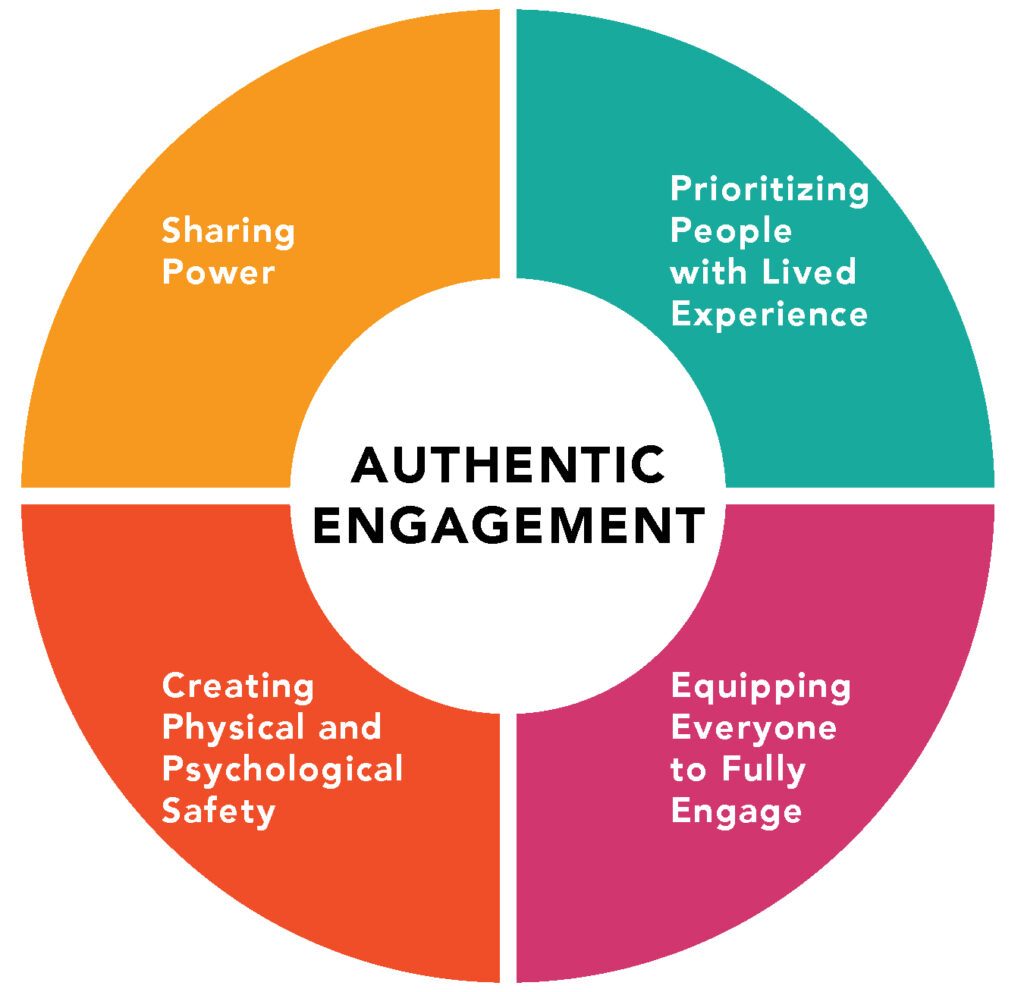
Explore the four key pillars of ChiByDesign’s approach to successful co-design with people with lived experience.

This learning exchange explores the “seven levers” that are key to ending the need for group placements in child welfare.
We believe every person has a right to life-supporting medical care and related services to ensure their health and well-being.

Learn from five state agencies about their strategies for implementing the QRTP requirements of the Family First Prevention Services Act.

Explore how family treatment courts are a family-centered intervention for families affected by substance use disorder.

David Sanders discusses how child protection agencies and providers can move upstream to provide proactive support for families.

Learn about findings from a study that examines the outcomes related to having higher standards of proof for substantiation.

In this Q&A, parents describe their personal experience with the child protection system and how agencies can engage better with parents.

Trauma informed
What resources are available to support trauma-informed, healing-centered approaches in child welfare?Explore resources on the topic of trauma-informed, healing-centered child welfare systems that can be used to inform policy and practice.
What are key principles child protection agencies should follow when providing trauma treatment and healing-centered services?Explore guiding principles that child protection agencies should follow when providing trauma-informed, healing-centered services.
How are child protection agencies implementing trauma-informed, healing-centered policies and practices?Learn how child protection agencies can implement a trauma-informed, healing-centered approach to support children and families.
What is Connecticut’s trauma-informed approach?Learn how Connecticut integrated trauma-informed practices throughout its child welfare system with an innovative approach.
What are the four pillars of authentic engagement of communities and individuals with lived experience through co-design?Explore the four key pillars of ChiByDesign’s approach to successful co-design with people with lived experience.
Ending the Need for Group PlacementsThis learning exchange explores the “seven levers” that are key to ending the need for group placements in child welfare. Supporting LGBTQ2SIA+ families means doing no harmWe believe every person has a right to life-supporting medical care and related services to ensure their health and well-being.
How are some child protection agencies attending to Qualified Residential Treatment Program requirements?Learn from five state agencies about their strategies for implementing the QRTP requirements of the Family First Prevention Services Act.
What are family treatment courts and how do they improve outcomes for children and families?Explore how family treatment courts are a family-centered intervention for families affected by substance use disorder.
How can child welfare leaders and providers reimagine support for children and families?David Sanders discusses how child protection agencies and providers can move upstream to provide proactive support for families.
Do higher standards of proof for child abuse and neglect impact rates of substantiation?Learn about findings from a study that examines the outcomes related to having higher standards of proof for substantiation.
How can child protection agencies authentically engage with parents?In this Q&A, parents describe their personal experience with the child protection system and how agencies can engage better with parents. Get involved
|