
How do some child protection agencies provide voluntary services?
This overview summarizes the work of jurisdictions that provide voluntary child welfare services that aim to strengthen families.
This overview summarizes the work of jurisdictions that provide voluntary child welfare services that aim to strengthen families.

This brief describes how the state of Washington offers voluntary services that aim to connect families to necessary resources.

Learn findings from a study that describes the relationship between police contact with families and the reporting of child maltreatment.

This strategy brief describes how New Hampshire used Requests for Information to expand and improve its prevention service array.
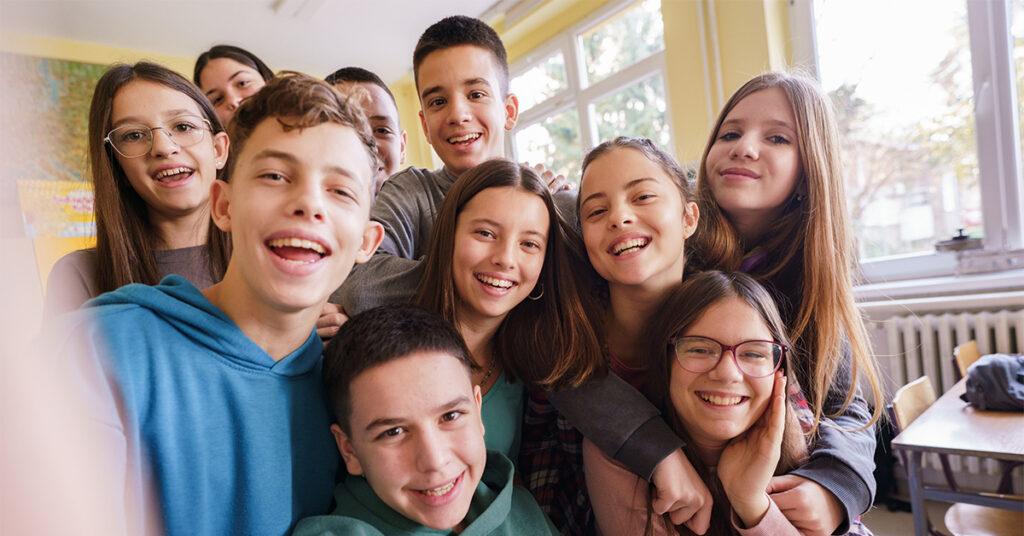
Learn about some of the strategies that are effective in securing permanent adoptions among older youth.

This brief summarizes key considerations for delivering virtual services and supports to families.

Learn the findings from a study that examined the impact of a Kinship Supports Intervention (KSI).

Learn findings from a study that examined how low-income mothers limit their engagement with needed support services for fear of CPS report.

This brief examines the parallels that exist between strategies for hiring staff and decision-making processes in child protection.

The first in a series, this strategy brief explores how behavioral science offers insights into critical decision points in child welfare.

Behavioral science offers ideas to improve the recruitment process for foster and adoptive parents in child welfare.

Behavioral science offers insights into the hotline, screening, and investigation and assessment decision points in child welfare.

Workforce and organizational practice
How do some child protection agencies provide voluntary services?This overview summarizes the work of jurisdictions that provide voluntary child welfare services that aim to strengthen families.
How does the state of Washington provide voluntary services?This brief describes how the state of Washington offers voluntary services that aim to connect families to necessary resources.
How does involvement with law enforcement impact the reporting of child abuse and neglect?Learn findings from a study that describes the relationship between police contact with families and the reporting of child maltreatment.
How did New Hampshire use a Request for Information to generate innovations in prevention programming?This strategy brief describes how New Hampshire used Requests for Information to expand and improve its prevention service array.
What are some effective strategies for older youth adoption?Learn about some of the strategies that are effective in securing permanent adoptions among older youth.
What do we know about services administered virtually?This brief summarizes key considerations for delivering virtual services and supports to families.
What is the impact of a Title IV-E waiver kinship supports intervention?Learn the findings from a study that examined the impact of a Kinship Supports Intervention (KSI).
Do perceptions of risk impact how mothers interact with social service providers?Learn findings from a study that examined how low-income mothers limit their engagement with needed support services for fear of CPS report.
Are there parallels between hiring and child protection processes that can help reduce bias and narrow child welfare’s front door?This brief examines the parallels that exist between strategies for hiring staff and decision-making processes in child protection.
How can behavioral science be used to improve decision-making in child welfare?The first in a series, this strategy brief explores how behavioral science offers insights into critical decision points in child welfare.
How can behavioral science be used to recruit foster and adoptive families?Behavioral science offers ideas to improve the recruitment process for foster and adoptive parents in child welfare.
How can behavioral science be used to improve the assessment of risk and safety?Behavioral science offers insights into the hotline, screening, and investigation and assessment decision points in child welfare. Get involved
|