
Do child care subsidies decrease rates of child maltreatment?
Learn the findings from a study that examines the effect of child care subsidies on child maltreatment.
Learn the findings from a study that examines the effect of child care subsidies on child maltreatment.

Learn findings from a study that examined how low-income mothers limit their engagement with needed support services for fear of CPS report.

This resource highlights the tremendous costs of child abuse and neglect and the benefits of investing in programs aimed at children and families.

Learn findings from a study that examined the efficacy of Universal Mandatory Reporting policies in identifying victims of physical abuse.

Learn the findings from a study that explored the relationship between prenatal substance exposure at birth and CPS involvement during the first year of life.

Learn from a study that examines the effect that refundable Earned Income Tax Credits have on the rate of children entering foster care.

This brief examines the parallels that exist between strategies for hiring staff and decision-making processes in child protection.

The first in a series, this strategy brief explores how behavioral science offers insights into critical decision points in child welfare.

Behavioral science offers ideas to improve the recruitment process for foster and adoptive parents in child welfare.

Learn how Nebraska’s local, state, and national partners collaborated to enhance the use and availability of community-level data.
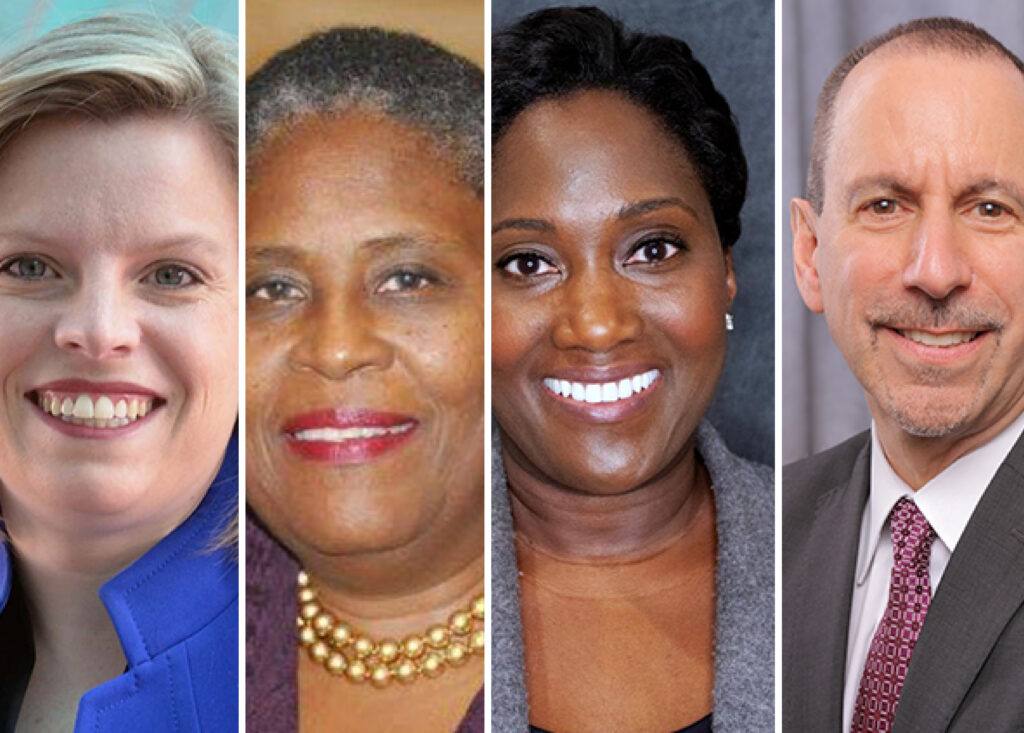
These awards recognize leaders who have had a significant impact in improving outcomes for children and families and building Communities of Hope across America.
This data overview looks at trends for American Indian/Alaska Native children in care nationally, and in California and Washington.

Academia/researcher
Do child care subsidies decrease rates of child maltreatment?Learn the findings from a study that examines the effect of child care subsidies on child maltreatment.
Do perceptions of risk impact how mothers interact with social service providers?Learn findings from a study that examined how low-income mothers limit their engagement with needed support services for fear of CPS report.
Upstream investment in children and families pays offThis resource highlights the tremendous costs of child abuse and neglect and the benefits of investing in programs aimed at children and families.
Are Universal Mandatory Reporting policies effective in identifying child physical abuse?Learn findings from a study that examined the efficacy of Universal Mandatory Reporting policies in identifying victims of physical abuse.
Does prenatal substance exposure impact involvement with child protective services during the first year of life?Learn the findings from a study that explored the relationship between prenatal substance exposure at birth and CPS involvement during the first year of life.
Do states with refundable Earned Income Tax Credits have lower rates of children involved in foster care?Learn from a study that examines the effect that refundable Earned Income Tax Credits have on the rate of children entering foster care.
Are there parallels between hiring and child protection processes that can help reduce bias and narrow child welfare’s front door?This brief examines the parallels that exist between strategies for hiring staff and decision-making processes in child protection.
How can behavioral science be used to improve decision-making in child welfare?The first in a series, this strategy brief explores how behavioral science offers insights into critical decision points in child welfare.
How can behavioral science be used to recruit foster and adoptive families?Behavioral science offers ideas to improve the recruitment process for foster and adoptive parents in child welfare.
How is Nebraska’s Community Opportunity Map increasing access to and use of timely, high-quality data at the local level?Learn how Nebraska’s local, state, and national partners collaborated to enhance the use and availability of community-level data.
2019 Casey Excellence for Children Awards Leadership HonoreesThese awards recognize leaders who have had a significant impact in improving outcomes for children and families and building Communities of Hope across America. Native American and Alaska Native children data trendsThis data overview looks at trends for American Indian/Alaska Native children in care nationally, and in California and Washington. Get involved
|