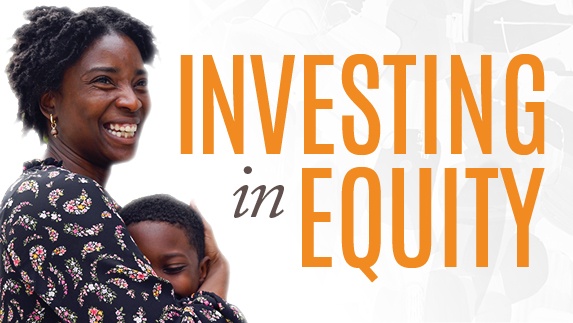
Investing in Equity: Sustaining hope for children and families
Investing in families means strengthening them, not separating them unnecessarily. Explore our signature report to learn more.
Investing in families means strengthening them, not separating them unnecessarily. Explore our signature report to learn more.

Explore how various parent partner programs recruit, train, and support the parents who serve as peer mentors to other parents.
The child welfare field needs a bold research agenda to address key knowledge gaps in transformative ways to support family and community.

These awards recognize leaders who have had a significant impact in improving outcomes for children and families and building Communities of Hope across America.
This tool provides resources from across Indian Country to leverage strengths within tribal communities to protect Native youth from suicide.
Learn how leadership in New Jersey developed an array of home visiting programs to meet the diverse needs families with young children.
As a national foundation working to support the well-being of children and families, we mourn those murdered in Georgia and condemn this violence.
Casey Family Programs honors Clotilde Perez-Bode Dedecker with Jim Casey Building Communities of Hope Award.
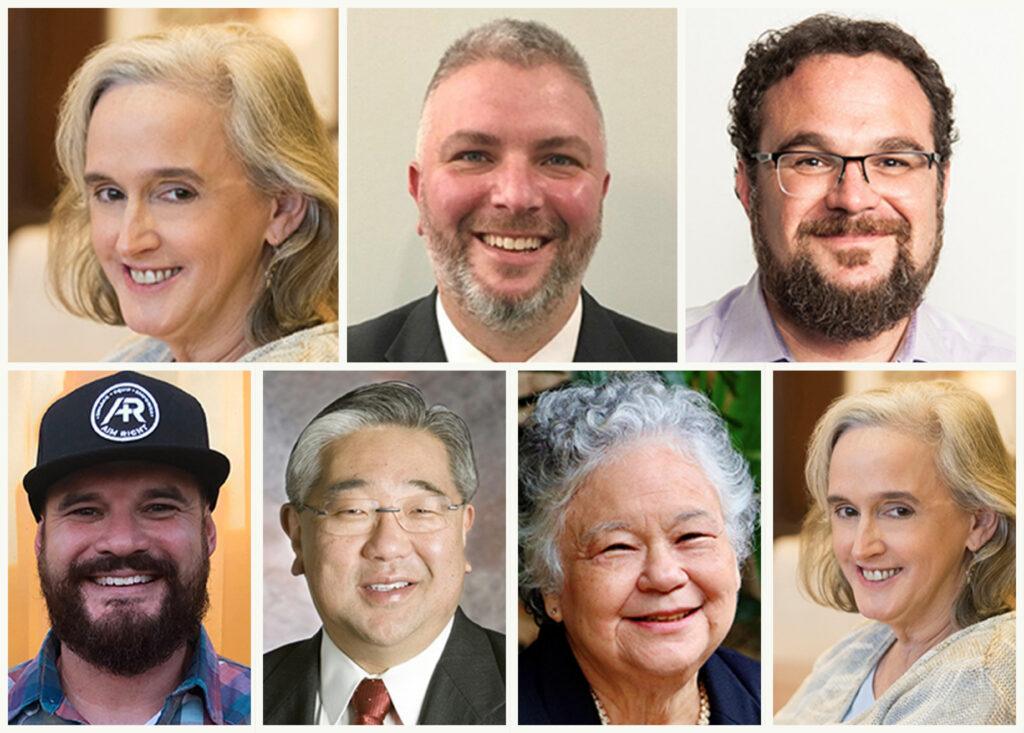
These awards recognize leaders who have had a significant impact in improving outcomes for children and families and building Communities of Hope across America.
This brief describes how New York City offers voluntary, in-home prevention services that aim to meet family needs and ensure child safety.
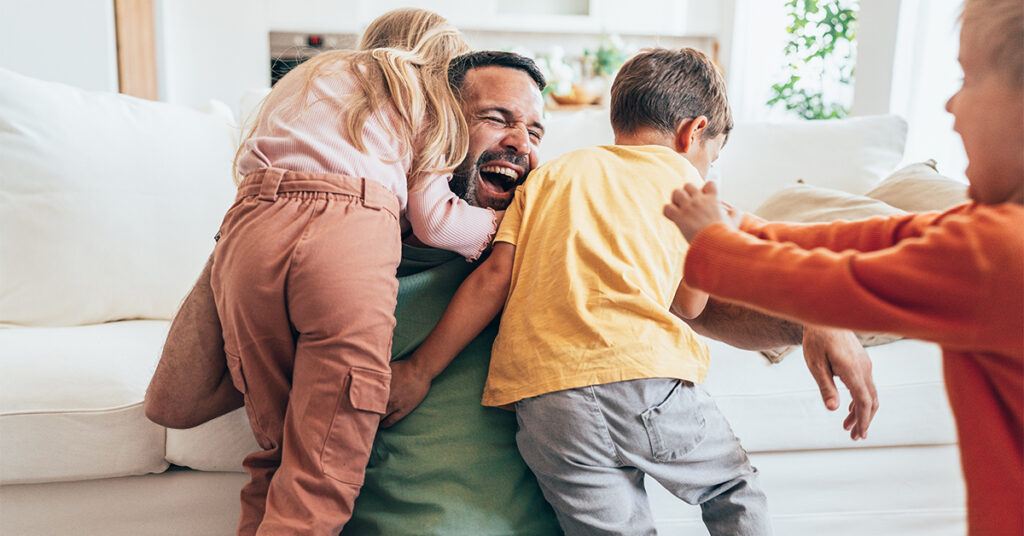
Explore findings from a study that suggests that strategies implemented at a neighborhood-level may effectively decrease child maltreatment.
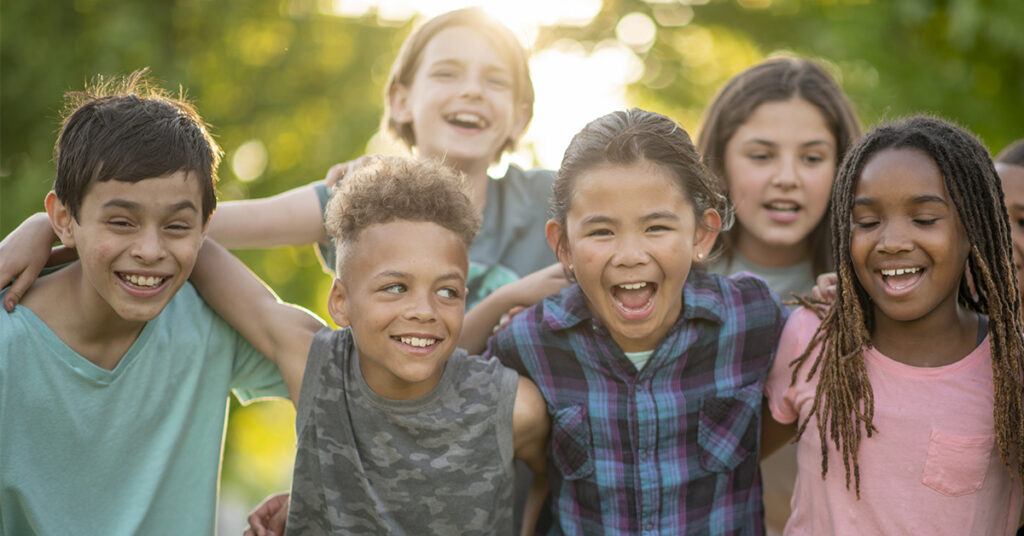
Explore findings from a study that shares how offering material supports to families is effective in reducing maltreatment.

Nonprofit/faith-based
Investing in Equity: Sustaining hope for children and familiesInvesting in families means strengthening them, not separating them unnecessarily. Explore our signature report to learn more.
How do parent partner programs recruit, train, and supervise parents with lived experience?Explore how various parent partner programs recruit, train, and support the parents who serve as peer mentors to other parents. Building a 21st century child welfare research agendaThe child welfare field needs a bold research agenda to address key knowledge gaps in transformative ways to support family and community.
2022 Casey Excellence for Children Awards Leadership HonoreesThese awards recognize leaders who have had a significant impact in improving outcomes for children and families and building Communities of Hope across America. Culture Forward: A strengths and culture based tool to protect our Native youth from suicideThis tool provides resources from across Indian Country to leverage strengths within tribal communities to protect Native youth from suicide.
How has New Jersey built a continuum of home visiting services?Learn how leadership in New Jersey developed an array of home visiting programs to meet the diverse needs families with young children. Casey Family Programs stands in solidarity with AAPI communities across our nationAs a national foundation working to support the well-being of children and families, we mourn those murdered in Georgia and condemn this violence. 2021 Jim Casey Building Communities of Hope AwardCasey Family Programs honors Clotilde Perez-Bode Dedecker with Jim Casey Building Communities of Hope Award.
2021 Casey Excellence for Children Awards Leadership HonoreesThese awards recognize leaders who have had a significant impact in improving outcomes for children and families and building Communities of Hope across America.
How does New York City provide voluntary services?This brief describes how New York City offers voluntary, in-home prevention services that aim to meet family needs and ensure child safety.
Is it possible to modify neighborhood-level characteristics to reduce the rate of child maltreatment?Explore findings from a study that suggests that strategies implemented at a neighborhood-level may effectively decrease child maltreatment.
Can providing material needs decrease the rate of child maltreatment?Explore findings from a study that shares how offering material supports to families is effective in reducing maltreatment. Get involved
|