What are some safety considerations for LGBTQ+ youth in foster care?
Learn about the unique safety needs of LGBTQ+ youth in foster care and the affirming approaches to promote their well-being.
Learn about the unique safety needs of LGBTQ+ youth in foster care and the affirming approaches to promote their well-being.
Learn lessons from American Indian, Alaska Native and Native Hawaiian elders who pass down wisdom to help Indigenous children thrive.

This information packet aids in selecting screening and assessment tools that support child well-being and informs case decision-making.

Explore effective strategies that child protection agencies can use to recruit and retain traditional and therapeutic resource families.
Learn how New Jersey, Oklahoma, and Washington state have recruited and retained resource families.
Learn about a range of family-based placement settings that are tailored to the needs of the child being placed in foster care.
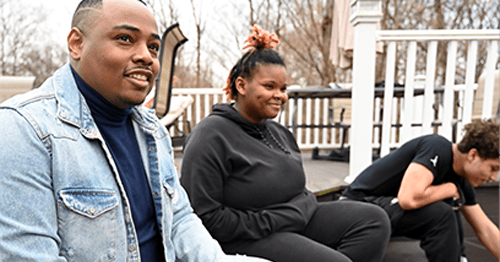
Kinnect offers services that enable and support kinship placements. That makes all the difference to siblings like Jonathon and Chrishonna.

San Diego County’s Safety Organized Practice model builds partnerships between families and child welfare using a strengths-based approach.

Learn from a study that examines the relationship between trauma screening and the likelihood of multiple foster care placements.
This map tool helps direct service providers to better understand the neighborhoods where their clients live and support families.

Learn about effective family search and engagement strategies for locating relatives and fictive kin for children in out-of-home care.

Ensure every child has a safe, supportive and lifelong family
What are some safety considerations for LGBTQ+ youth in foster care?Learn about the unique safety needs of LGBTQ+ youth in foster care and the affirming approaches to promote their well-being.
What roles can elders play to help children thrive and prevent them from entering foster care?Learn lessons from American Indian, Alaska Native and Native Hawaiian elders who pass down wisdom to help Indigenous children thrive.
What are some screening and assessment tools that help support children’s well-being?This information packet aids in selecting screening and assessment tools that support child well-being and informs case decision-making.
What are some strategies for finding and keeping resource families?Explore effective strategies that child protection agencies can use to recruit and retain traditional and therapeutic resource families.
How have some child protection agencies recruited and retained resource families?Learn how New Jersey, Oklahoma, and Washington state have recruited and retained resource families.
What are family-based placements?Learn about a range of family-based placement settings that are tailored to the needs of the child being placed in foster care.
Connecting with kin in OhioKinnect offers services that enable and support kinship placements. That makes all the difference to siblings like Jonathon and Chrishonna.
How was Safety Organized Practice implemented in San Diego County?San Diego County’s Safety Organized Practice model builds partnerships between families and child welfare using a strengths-based approach.
Can trauma symptoms predict placement instability?Learn from a study that examines the relationship between trauma screening and the likelihood of multiple foster care placements. How our San Antonio foster care staff used the Community Opportunity Map to support familiesThis map tool helps direct service providers to better understand the neighborhoods where their clients live and support families.
What are some examples of effective family search and engagement?Learn about effective family search and engagement strategies for locating relatives and fictive kin for children in out-of-home care. Get involved
|