Using In Home Services to prevent foster care in Austin, Texas
This report chronicles the story of Austin’s In Home Services program. It is a story of courage, commitment, resilience and a lot of hard work.
This report chronicles the story of Austin’s In Home Services program. It is a story of courage, commitment, resilience and a lot of hard work.

All children deserve to grow up in a home-based setting. Learn how New Jersey decreased congregate care usage by 45 percent.
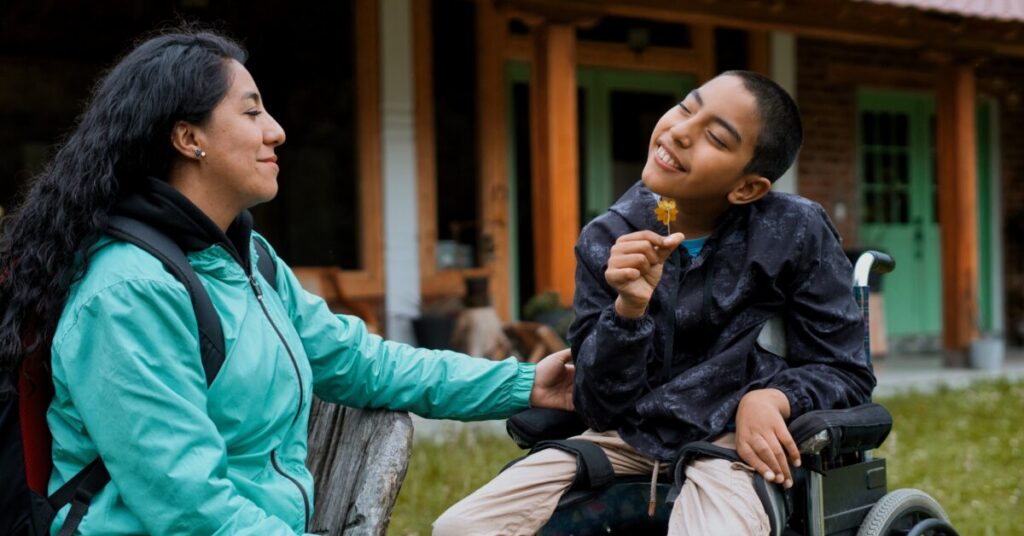
Mobile Response and Stabilization Services provides immediate support to stabilize children in crisis and keep them safe at home.

This bright spot describes how Georgia and Alabama created a border agreement to expedite placement of children with kin across state lines.

Learn how Family Support Services of North Florida has combined forces with local partners to build a Community of Hope in Jacksonville.
This action plan highlights the actions child welfare leaders can take to reduce re-entries into foster care and support long-term permanency.

Shana King received a 2016 Casey Excellence for Children Award for birth parent. Nominate a hero like her for the 2017 awards.
This research brief examines if placement patterns of American Indian children in out-of-home care are aligned with ICWA.
This research and practice brief is a useful resource for states that seek to document compliance with the Indian Child Welfare Act.
This assessment looks at how two counties shifted from emphasizing foster care as a first option to offering family preservation services.
Dr. William C. Bell addresses New York’s Court Appointed Special Advocates (CASA) at the organization’s annual benefit and celebration in 2010.
This study evaluates the effectiveness of the Nurturing Parenting Program for infants, toddlers and pre-school children.

Family preservationUsing In Home Services to prevent foster care in Austin, TexasThis report chronicles the story of Austin’s In Home Services program. It is a story of courage, commitment, resilience and a lot of hard work.
How did New Jersey safely reduce the number of children in congregate care?All children deserve to grow up in a home-based setting. Learn how New Jersey decreased congregate care usage by 45 percent.
What is New Jersey’s Mobile Response and Stabilization Services intervention?Mobile Response and Stabilization Services provides immediate support to stabilize children in crisis and keep them safe at home.
How did Georgia and Alabama develop a border agreement to support timely placement with kin?This bright spot describes how Georgia and Alabama created a border agreement to expedite placement of children with kin across state lines.
A natural fit: How aligned services keep children and families together in JacksonvilleLearn how Family Support Services of North Florida has combined forces with local partners to build a Community of Hope in Jacksonville. Supporting Lifelong Families: Steps Child Welfare Agencies Can Take to Prevent Children From Re-entering Foster CareThis action plan highlights the actions child welfare leaders can take to reduce re-entries into foster care and support long-term permanency.
Healing, culture are key for award-winning motherShana King received a 2016 Casey Excellence for Children Award for birth parent. Nominate a hero like her for the 2017 awards. Placement Patterns for American Indian Children Involved with Child WelfareThis research brief examines if placement patterns of American Indian children in out-of-home care are aligned with ICWA. Measuring Compliance with the Indian Child Welfare Act: A Research and Practice BriefThis research and practice brief is a useful resource for states that seek to document compliance with the Indian Child Welfare Act. Foster Care Redesign in Duval and Alachua Counties: An Implementation Assessment and Research ChronicleThis assessment looks at how two counties shifted from emphasizing foster care as a first option to offering family preservation services. Courts play a critical role in child safetyDr. William C. Bell addresses New York’s Court Appointed Special Advocates (CASA) at the organization’s annual benefit and celebration in 2010. Evaluation of a Parent Education Program in Louisiana: The Nurturing Parenting Program for Infants, Toddlers and Pre-School ChildrenThis study evaluates the effectiveness of the Nurturing Parenting Program for infants, toddlers and pre-school children. Get involved
|