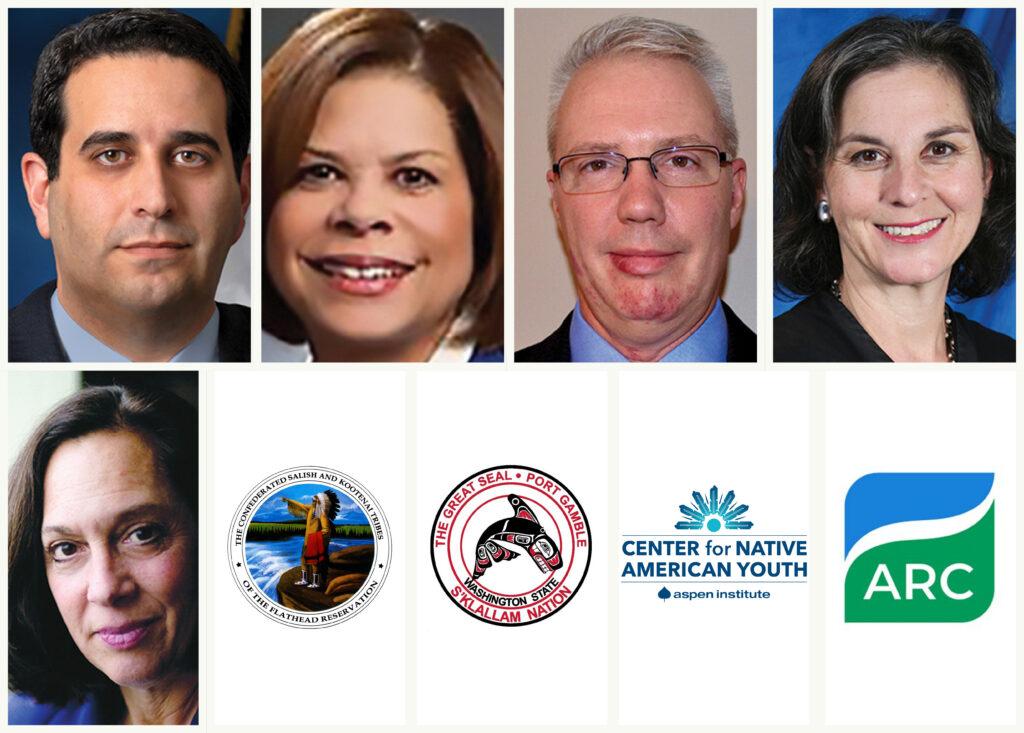
2015 Casey Excellence for Children Awards Leadership Honorees
These awards recognize leaders who have had a significant impact in improving outcomes for children and families and building Communities of Hope across America.
These awards recognize leaders who have had a significant impact in improving outcomes for children and families and building Communities of Hope across America.
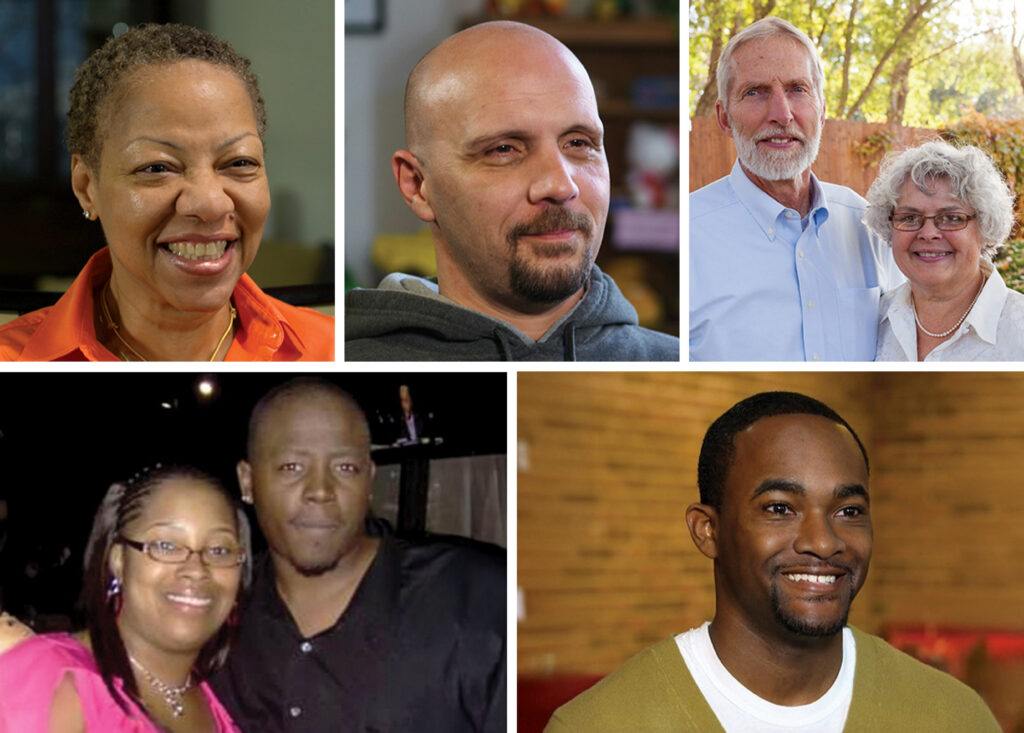
These awards recognize those foster care alumni, birth parents, kinship caregivers and resource parents who have demonstrated extraordinary efforts on behalf of those involved in child welfare.
William C. Bell discusses income inequality and poverty, asking us to raise our collective voice and demand change.
The power to build hope rests in the collective will of a community and its families. Because of this, we need to understand the interdependencies among families, neighborhoods, schools, local businesses, law enforcement, churches and nonprofits.
Evidence-based home visiting shows potential to prevent maltreatment, which has significant societal costs.
William C. Bell lectures at an international business symposium hosted by his alma mater, Delta State University.
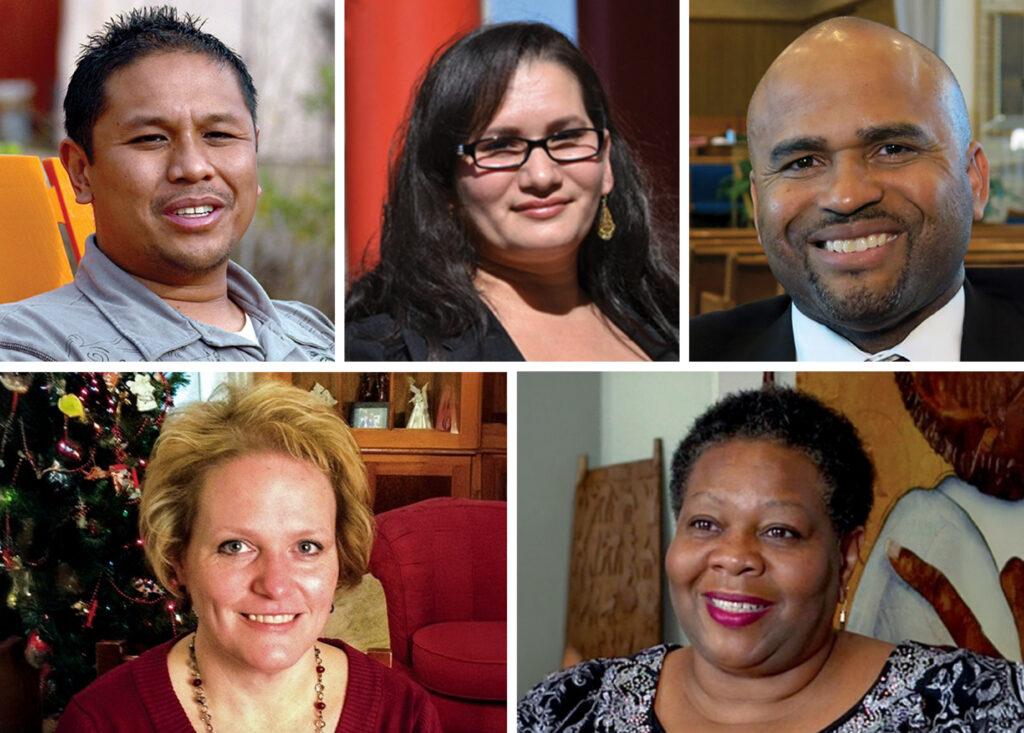
These awards recognize those foster care alumni, birth parents, kinship caregivers and resource parents who have demonstrated extraordinary efforts on behalf of those involved in child welfare.
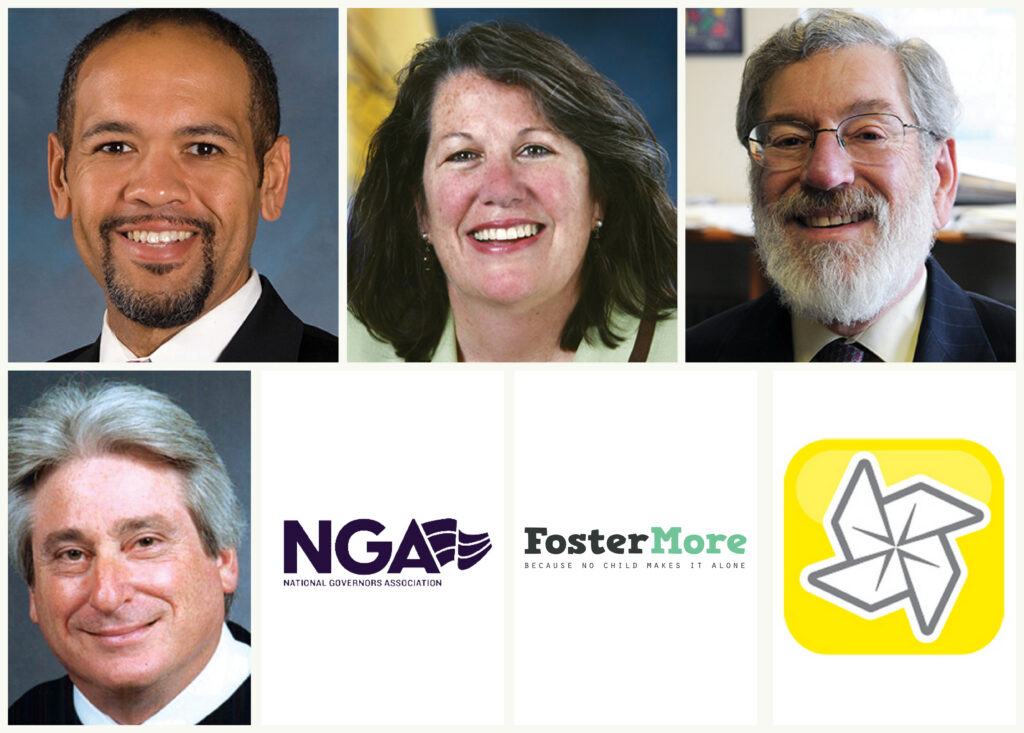
These awards recognize leaders who have had a significant impact in improving outcomes for children and families and building Communities of Hope across America.
What happens to Birmingham’s vulnerable children and families in the next 15 years will be determined by whether change occurs in the city’s 28 ZIP codes.
William C. Bell delivers the keynote address at the 2009 Statewide Policy Conference for Washington state.
This study evaluates SafeCare, a home-visiting model that addresses child neglect, the most common form of maltreatment.
This report describes the Timely Permanency through Reunification Breakthrough Series Collaborative process. It highlights promising practices and outcomes.

National
2015 Casey Excellence for Children Awards Leadership HonoreesThese awards recognize leaders who have had a significant impact in improving outcomes for children and families and building Communities of Hope across America.
2015 Casey Excellence for Children Awards Family and Alumni HonoreesThese awards recognize those foster care alumni, birth parents, kinship caregivers and resource parents who have demonstrated extraordinary efforts on behalf of those involved in child welfare. A vocal advocate for low-income families: William C. Bell honors equal voice action initiativeWilliam C. Bell discusses income inequality and poverty, asking us to raise our collective voice and demand change.
A Declaration of Hope: 2014 Signature ReportThe power to build hope rests in the collective will of a community and its families. Because of this, we need to understand the interdependencies among families, neighborhoods, schools, local businesses, law enforcement, churches and nonprofits. The Potential for Cost Savings from Home Visiting Due to Reductions in Child MaltreatmentEvidence-based home visiting shows potential to prevent maltreatment, which has significant societal costs. Today’s decisions construct tomorrow’s opportunitiesWilliam C. Bell lectures at an international business symposium hosted by his alma mater, Delta State University.
2014 Casey Excellence for Children Awards Family and Alumni HonoreesThese awards recognize those foster care alumni, birth parents, kinship caregivers and resource parents who have demonstrated extraordinary efforts on behalf of those involved in child welfare.
2014 Casey Excellence for Children Awards Leadership HonoreesThese awards recognize leaders who have had a significant impact in improving outcomes for children and families and building Communities of Hope across America. When a ZIP code determines a child’s chance: Data mapping reveals that Opportunities for children are not distributed equallyWhat happens to Birmingham’s vulnerable children and families in the next 15 years will be determined by whether change occurs in the city’s 28 ZIP codes. Fatherhood policy vs. fatherhood practice: The question remains “How can you support a child if you can’t support yourself?”William C. Bell delivers the keynote address at the 2009 Statewide Policy Conference for Washington state. SafeCare: Evidence-based Neglect Prevention Model Shows Effectiveness with American IndiansThis study evaluates SafeCare, a home-visiting model that addresses child neglect, the most common form of maltreatment. Timely Permanency through Reunification: Breakthrough Series CollaborativeThis report describes the Timely Permanency through Reunification Breakthrough Series Collaborative process. It highlights promising practices and outcomes. Get involved
|