The Child Abuse Prevention and Treatment Act
This brief provides background on CAPTA, which provides grants to states to support prevention and treatment of child abuse and neglect.
This brief provides background on CAPTA, which provides grants to states to support prevention and treatment of child abuse and neglect.
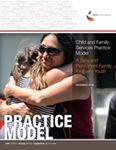
This practice model outlines strategies and interventions that advance Casey Family Programs’ focus on permanency for youth.
Striving to keep children safe at home, Circles of Support combines evidence-informed interventions within a culturally relevant context.

This report confirms kinship care as a preferred option for children when they cannot stay with their biological parents.
Dr. Jonathan Thackeray and Carrie Baker share collaborative efforts to improve pediatric practices and prevent recurrent child maltreatment.
This information packet features five home visiting program models that have been found to be effective in reducing child maltreatment.
Youth in foster care have high rates of trauma exposure. A trauma-informed child protection system can mitigate trauma’s adverse effects.
A few jurisdictions are using birth match as a data-based strategy to predict future risk and harm of infants, but ethical tensions exist.
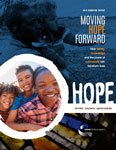
Our 2018 signature report explores how communities are building hope for children and families though innovation, knowledge and shared commitment.
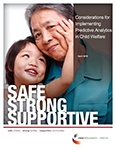
This brief highlights considerations for child welfare agencies as they engage in predictive analytics.