
How can child protection agencies use safety science to promote a safety culture?
Explore ways that agencies can implement the principles of safety science to encourage a workplace culture of safety and trust.
Explore ways that agencies can implement the principles of safety science to encourage a workplace culture of safety and trust.

Learn how applying safety science to critical incident and child fatality reviews can enhance accountability and a workplace safety culture.

This white paper outlines the purpose and responsibilities of a well-functioning child protection agency.
The National Center for Injury Prevention and Control at the CDC has joined the Thriving Families, Safer Children effort.

Presenters at the National Partnership for Child Safety Collaborative describe how safety science has been applied during COVID-19.

Learn from the experiences of child welfare agency leaders who are applying the principles of safety science within their organizations.

The first in a series, this strategy brief explores how behavioral science offers insights into critical decision points in child welfare.

Mindful organizing supports better decision-making and service delivery, which lead to better child safety and improved family well-being.
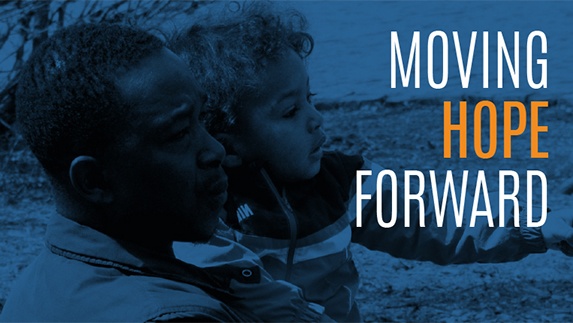
Our 2018 signature report explores how communities are building hope for children and families though innovation, knowledge and shared commitment.
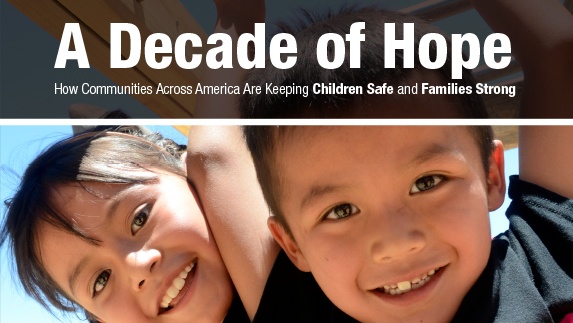
Our 2015 signature report profiles communities across America that are keeping children safe and families strong, demonstrating that hope is an action word.

Safety Science
How can child protection agencies use safety science to promote a safety culture?Explore ways that agencies can implement the principles of safety science to encourage a workplace culture of safety and trust.
How is safety science being applied to critical incident reviews?Learn how applying safety science to critical incident and child fatality reviews can enhance accountability and a workplace safety culture.
What is a well-functioning child protection agency?This white paper outlines the purpose and responsibilities of a well-functioning child protection agency. CDC joins Thriving Families, Safer Children to promote family health and well-beingThe National Center for Injury Prevention and Control at the CDC has joined the Thriving Families, Safer Children effort.
How can child welfare agencies use safety science concepts during the COVID-19 crisis?Presenters at the National Partnership for Child Safety Collaborative describe how safety science has been applied during COVID-19.
How are child welfare leaders applying the principles of safety science to prevent harm to children?Learn from the experiences of child welfare agency leaders who are applying the principles of safety science within their organizations.
How can behavioral science be used to improve decision-making in child welfare?The first in a series, this strategy brief explores how behavioral science offers insights into critical decision points in child welfare.
How can mindful organizing promote a safety culture in child protection agencies?Mindful organizing supports better decision-making and service delivery, which lead to better child safety and improved family well-being.
Moving Hope Forward: 2018 Signature ReportOur 2018 signature report explores how communities are building hope for children and families though innovation, knowledge and shared commitment.
A Decade of Hope: 2015 Signature ReportOur 2015 signature report profiles communities across America that are keeping children safe and families strong, demonstrating that hope is an action word. Get involved
|