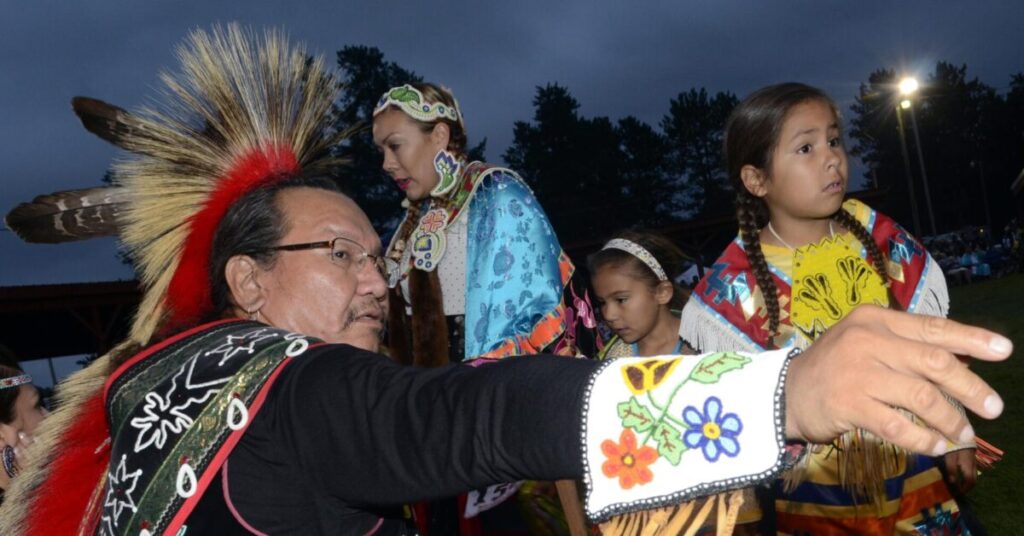
Gold standard principles of ICWA upheld
We are more committed than ever to supporting tribal nations in building hope for children and families and ensuring ICWA is fully implemented.
We are more committed than ever to supporting tribal nations in building hope for children and families and ensuring ICWA is fully implemented.
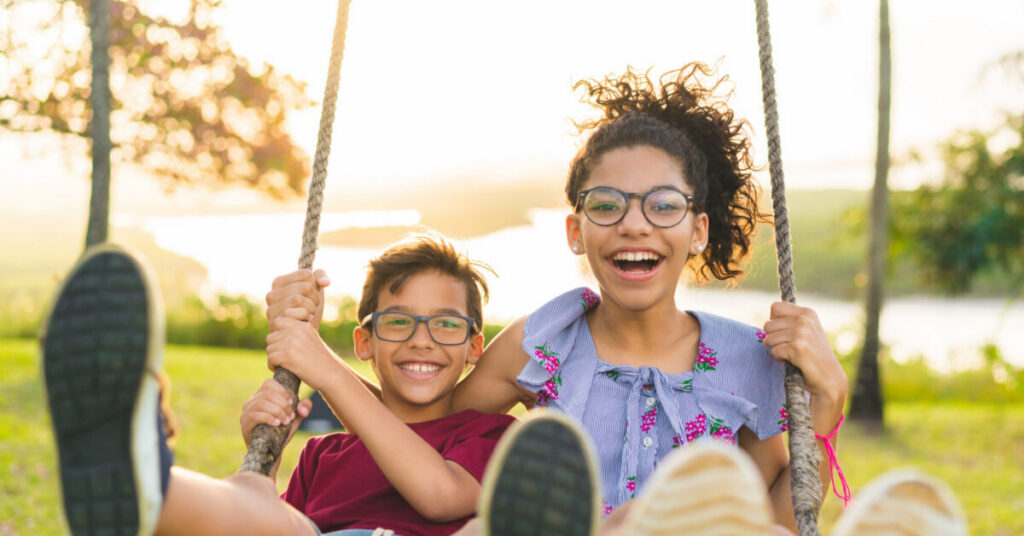
Explore the importance of placement stability for youth in care and the factors that can affect it.
Investing in families means strengthening them, not separating them unnecessarily. Explore our signature report to learn more.
Casey Family Programs files Amicus Brief with Supreme Court in support of Indian Child Welfare Act, August 2022.
This data overview looks at trends for American Indian/Alaska Native children in care nationally, and in California and Washington.
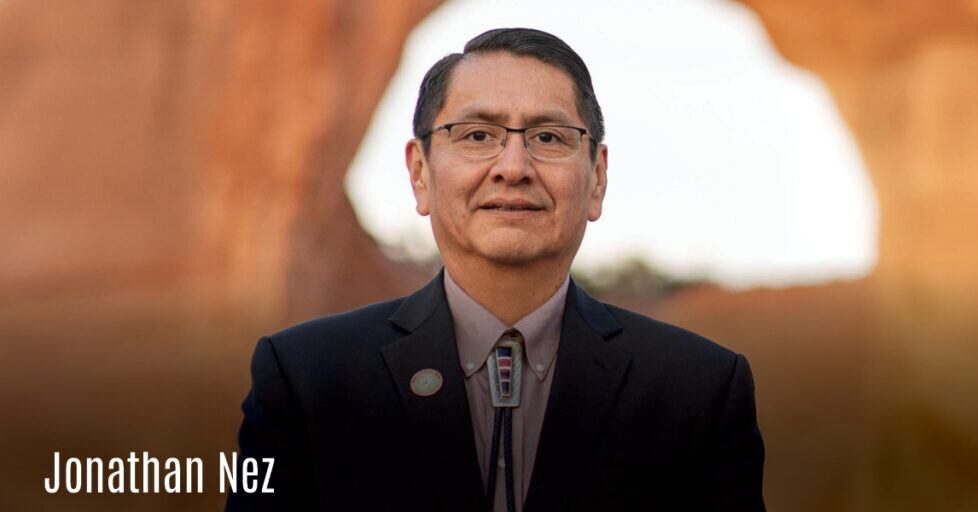
Jonathan Nez, president of the Navajo Nation, reflects on the Indian Child Welfare Act and its importance to the Navajo Nation.
Explore why four principles of the Indian Child Welfare Act should form the basis of child welfare practice for all agencies.
Dr. Bell provides testimony to the U.S. House of Representatives Committee on Ways and Means Subcommittee on Worker and Family Support.
This tool provides resources from across Indian Country to leverage strengths within tribal communities to protect Native youth from suicide.
Her historic appointment comes at a time of both tremendous challenge and tremendous opportunity to directly improve the lives of all Americans.
Explore some key strategies that child welfare agencies can engage in when working with families that live in rural or tribal communities.
This data overview looks at trends for American Indian/Alaska Native children in care nationally, and in California and Washington.

Indian Child Welfare
Gold standard principles of ICWA upheldWe are more committed than ever to supporting tribal nations in building hope for children and families and ensuring ICWA is fully implemented.
What impacts placement stability?Explore the importance of placement stability for youth in care and the factors that can affect it.
Investing in Equity: Sustaining hope for children and familiesInvesting in families means strengthening them, not separating them unnecessarily. Explore our signature report to learn more. 2022 Supreme Court brief filed in support of Indian Child Welfare ActCasey Family Programs files Amicus Brief with Supreme Court in support of Indian Child Welfare Act, August 2022. Native American and Alaska Native children 2020 data overviewThis data overview looks at trends for American Indian/Alaska Native children in care nationally, and in California and Washington.
What does the Indian Child Welfare Act mean to the Navajo Nation?Jonathan Nez, president of the Navajo Nation, reflects on the Indian Child Welfare Act and its importance to the Navajo Nation.
How can child welfare systems apply the principles of the Indian Child Welfare Act as the “gold standard” for all children?Explore why four principles of the Indian Child Welfare Act should form the basis of child welfare practice for all agencies. Dr. William C. Bell testimony: Making a Difference for Families and Foster YouthDr. Bell provides testimony to the U.S. House of Representatives Committee on Ways and Means Subcommittee on Worker and Family Support. Culture Forward: A strengths and culture based tool to protect our Native youth from suicideThis tool provides resources from across Indian Country to leverage strengths within tribal communities to protect Native youth from suicide. Casey Family Programs statement on confirmation of Congresswoman Deb Haaland as the 54th United States Secretary of the InteriorHer historic appointment comes at a time of both tremendous challenge and tremendous opportunity to directly improve the lives of all Americans.
How can child welfare systems support families in rural communities?Explore some key strategies that child welfare agencies can engage in when working with families that live in rural or tribal communities. Native American and Alaska Native children data trendsThis data overview looks at trends for American Indian/Alaska Native children in care nationally, and in California and Washington. Get involved
|