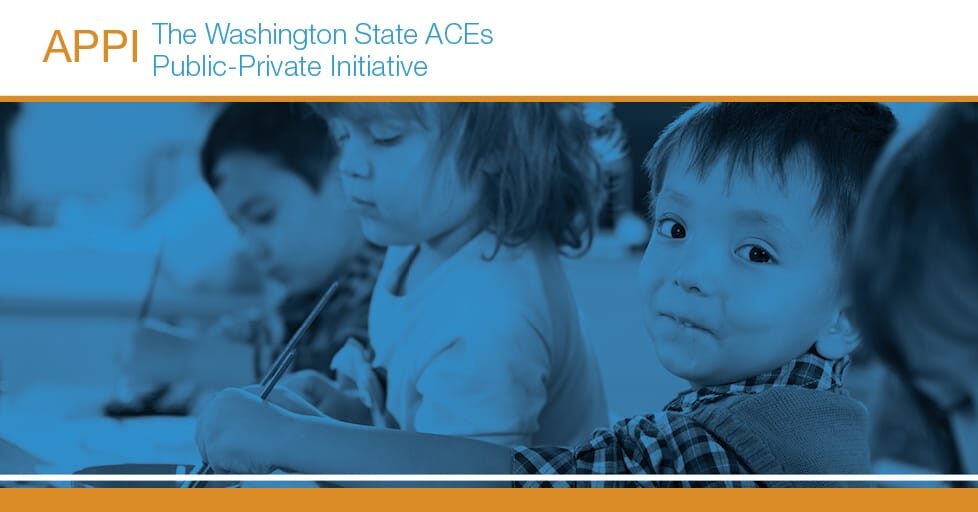
Washington communities reduce trauma effects through public-private partnerships
Several communities have created innovative approaches to decrease problems linked to trauma.
Several communities have created innovative approaches to decrease problems linked to trauma.
This brief examines the need for community-based initiatives, lessons learned on implementation, and promising evaluation strategies.
This report describes the development of a fidelity measurement tool for Signs of Safety® — an approach to assessing safety and risk in child protective services.
This two-page overview explains the utility of using geographic analysis techniques and mapping in child welfare.
This brief summarizes research on effective practices for children and youth referred to therapeutic residential care.
The Northwest Foster Care Alumni Study provided a clearer picture of how alumni were functioning after they left care.
This research brief examines if placement patterns of American Indian children in out-of-home care are aligned with ICWA.
This report presents the results of a national survey gathering child welfare leaders’ insights into child sex trafficking and what they need to combat it.
This research brief highlights practice elements that contribute to effective programs for parents and young children involved with child welfare systems.
Children involved in the child welfare system have more developmental challenges than the general population, according to this report.
The power to build hope rests in the collective will of a community and its families. Because of this, we need to understand the interdependencies among families, neighborhoods, schools, local businesses, law enforcement, churches and nonprofits.
Evidence-based home visiting shows potential to prevent maltreatment, which has significant societal costs.

Research
Washington communities reduce trauma effects through public-private partnershipsSeveral communities have created innovative approaches to decrease problems linked to trauma. Community-Based Family Support: Exemplars with Implementation and Evaluation StrategiesThis brief examines the need for community-based initiatives, lessons learned on implementation, and promising evaluation strategies. Signs of Safety® Supervisor Practice Fidelity Assessment: Field Test and Evaluation ReportThis report describes the development of a fidelity measurement tool for Signs of Safety® — an approach to assessing safety and risk in child protective services. Geography MattersThis two-page overview explains the utility of using geographic analysis techniques and mapping in child welfare. Elements of Effective Practice for Children and Youth Served by Therapeutic Residential CareThis brief summarizes research on effective practices for children and youth referred to therapeutic residential care. How do youth placed in foster care fare once they grow up?The Northwest Foster Care Alumni Study provided a clearer picture of how alumni were functioning after they left care. Placement Patterns for American Indian Children Involved with Child WelfareThis research brief examines if placement patterns of American Indian children in out-of-home care are aligned with ICWA. Addressing Child Sex Trafficking from a Child Welfare PerspectiveThis report presents the results of a national survey gathering child welfare leaders’ insights into child sex trafficking and what they need to combat it. Prioritizing Early Childhood to Safely Reduce the Need for Foster Care: A National Scan of InterventionsThis research brief highlights practice elements that contribute to effective programs for parents and young children involved with child welfare systems. The Well-Being of Children in the Child Welfare System: An Analysis of the Second National Survey of Child and Adolescent Well-Being (NSCAW II)Children involved in the child welfare system have more developmental challenges than the general population, according to this report.
A Declaration of Hope: 2014 Signature ReportThe power to build hope rests in the collective will of a community and its families. Because of this, we need to understand the interdependencies among families, neighborhoods, schools, local businesses, law enforcement, churches and nonprofits. The Potential for Cost Savings from Home Visiting Due to Reductions in Child MaltreatmentEvidence-based home visiting shows potential to prevent maltreatment, which has significant societal costs. Get involved
|