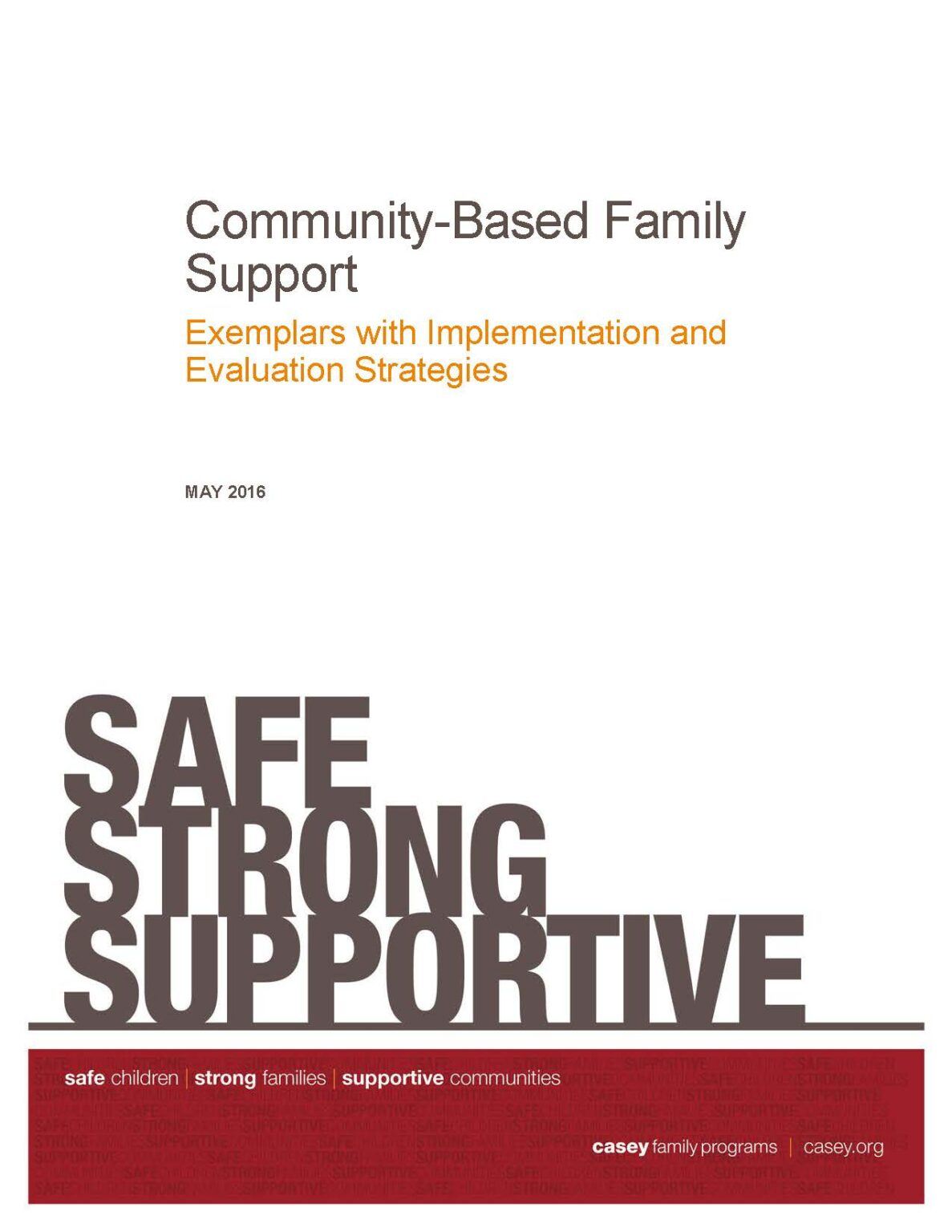
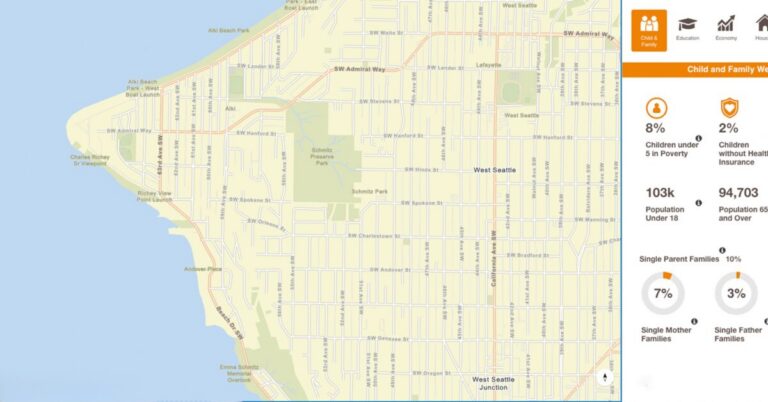
As Casey Family Programs and other organizations increase their focus on community-based family supports, it is important to examine current and past initiatives, so that new strategies can be designed and evaluated properly. This research brief focuses on the need for community-based initiatives, lessons learned regarding design and implementation, and promising evaluation strategies. Mixed-method evaluation strategies that maximize the use of local trend data from multiple sources including public health, education, business, housing, employment and child welfare show promise. This brief also includes recommendations and cautions around governance, collaboration, decision-making, sustainability and community engagement.
Community-Based Family Support: Exemplars with Implementation and Evaluation Strategies
DateJuly 8, 2016
FocusAbout Casey
Content TypeBrief
Related posts
-
Promote a shared responsibility for building Communities of HopeHow can supportive housing improve outcomes for families in the child welfare system?
An innovative model combining stable housing with wraparound services helps families work on their health, recovery, and personal growth. -
Promote a shared responsibility for building Communities of HopeHow is universal access to the social determinants of health critical to the continuum of legal advocacy?
Examine how helping families access resources that improve social determinants of health is part of the continuum of legal advocacy. -
Promote a shared responsibility for building Communities of HopeHow can child protection agencies partner with other sectors to transform mandated reporting?
Explore the steps child protection agencies can take to build strong partnerships aimed at transforming mandated reporting in their communities. -
PartneringWhat are the enduring lessons for child welfare from the COVID-19 pandemic?
The COVID-19 pandemic gave rise to several important research-based lessons about child safety and family well-being. -
Promote a shared responsibility for building Communities of HopeHow can the system of care approach improve outcomes for children and families involved with child welfare?
Understand how the system of care approach brings together an array of partners to support children’s behavioral health needs. -
Promote a shared responsibility for building Communities of HopeHow can child welfare partner with other systems to support families experiencing domestic violence?
Learn how child protection agencies and domestic violence programs can work collaboratively to best address child safety and well-being. -
Promote a shared responsibility for building Communities of HopeHow the Pelican Center used the Community Opportunity Map to support students in Louisiana
This map tool helps public-private partnerships create precise, local strategic plans to invest in hope and improve education for youth. -
Promote a shared responsibility for building Communities of HopeHow have family-serving agencies in New York City partnered to implement the Infant Safe Sleep Initiative?
Learn how the Administration for Children’s Services partnered with other New York City agencies to educate the public about safe sleep. -
Promote a shared responsibility for building Communities of HopeWhat is the Every Student Succeeds Act and how does school stability affect children in foster care?
Learn why and how child welfare agencies should partner with school districts to provide stable educational experiences. -
Promote a shared responsibility for building Communities of Hope
Building a 21st century child welfare research agenda
The child welfare field needs a bold research agenda to address key knowledge gaps in transformative ways to support family and community.