
How can behavioral science be used to promote successful placements?
Behavioral science can inform system design to improve placement decisions and placement stability for children in foster care.
Behavioral science can inform system design to improve placement decisions and placement stability for children in foster care.

Learn how D.C.’s child protection agency implemented a CQI system that focuses on family support and on preventing child removal.

These three brief videos describe a 21st century child well-being system and why creating one will benefit children and families.

Transformational change in child welfare is possible. These four brief videos offer some strategies to transform child welfare.

Mindful organizing supports better decision-making and service delivery, which lead to better child safety and improved family well-being.
These brief videos describe the urgency behind the need for child welfare system transformation and what it would entail.

Director Donald describes her leadership strategies, which have transformed the District of Columbia Child and Family Services Agency.

Learn how several agencies successfully reduced backlogs that resulted from overdue child protective services investigations.

In this Q&A, Chris Tappan details how New Hampshire’s child and family serving systems are collaborating for transformation.
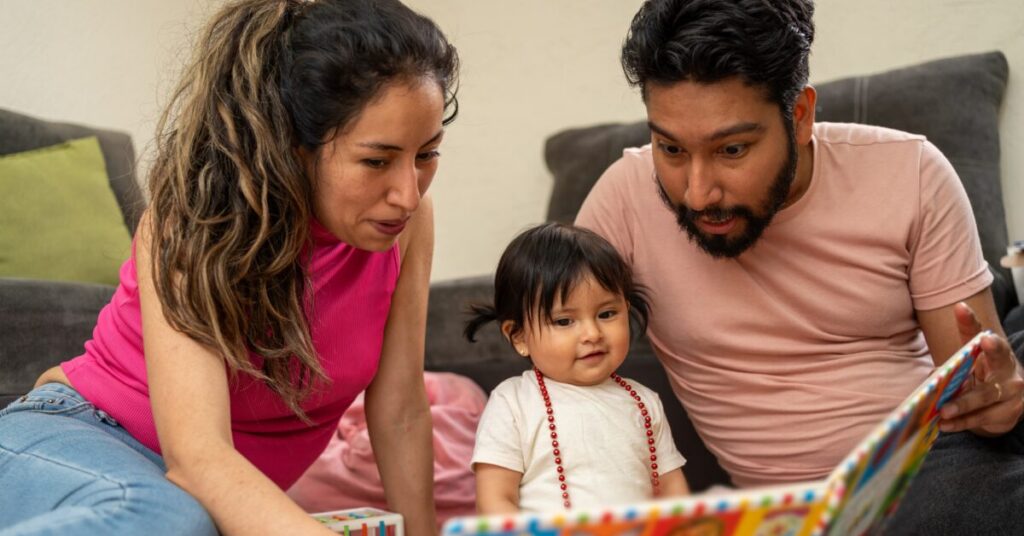
Learn about the impact of immigration enforcement on families and find resources for supporting families in this situation.

Learn how a residential treatment program for children with behavioral health challenges shifted its practice toward parent engagement.

In this Q&A, Timothy Phipps describes the importance of involving parents, especially fathers, in designing the child welfare system.

Workforce and organizational practice
How can behavioral science be used to promote successful placements?Behavioral science can inform system design to improve placement decisions and placement stability for children in foster care.
How did Washington, D.C., develop its approach to meaningful continuous quality improvement?Learn how D.C.’s child protection agency implemented a CQI system that focuses on family support and on preventing child removal.
How is a 21st century child well-being system better for families and communities?These three brief videos describe a 21st century child well-being system and why creating one will benefit children and families.
Are there essential building blocks to achieve transformational change in child welfare?Transformational change in child welfare is possible. These four brief videos offer some strategies to transform child welfare.
How can mindful organizing promote a safety culture in child protection agencies?Mindful organizing supports better decision-making and service delivery, which lead to better child safety and improved family well-being.
Why is child welfare system transformation necessary?These brief videos describe the urgency behind the need for child welfare system transformation and what it would entail.
What leadership strategies have advanced transformation in the District of Columbia?Director Donald describes her leadership strategies, which have transformed the District of Columbia Child and Family Services Agency.
How can child welfare leaders safely decrease investigation backlogs?Learn how several agencies successfully reduced backlogs that resulted from overdue child protective services investigations.
How is New Hampshire building a 21st century child strengthening and family well-being system?In this Q&A, Chris Tappan details how New Hampshire’s child and family serving systems are collaborating for transformation.
What do child welfare leaders need to know about supporting families when caregivers are facing immigration-enforced detention or deportation?Learn about the impact of immigration enforcement on families and find resources for supporting families in this situation.
How does Sweetser’s residential treatment approach promote family engagement and inclusion in Maine?Learn how a residential treatment program for children with behavioral health challenges shifted its practice toward parent engagement.
How can fathers and other constituent leaders inform Family First and other system change efforts?In this Q&A, Timothy Phipps describes the importance of involving parents, especially fathers, in designing the child welfare system. Get involved
|