What do we know about birth match?
A few jurisdictions are using birth match as a data-based strategy to predict future risk and harm of infants, but ethical tensions exist.
A few jurisdictions are using birth match as a data-based strategy to predict future risk and harm of infants, but ethical tensions exist.
This bright spot describes how Georgia and Alabama created a border agreement to expedite placement of children with kin across state lines.
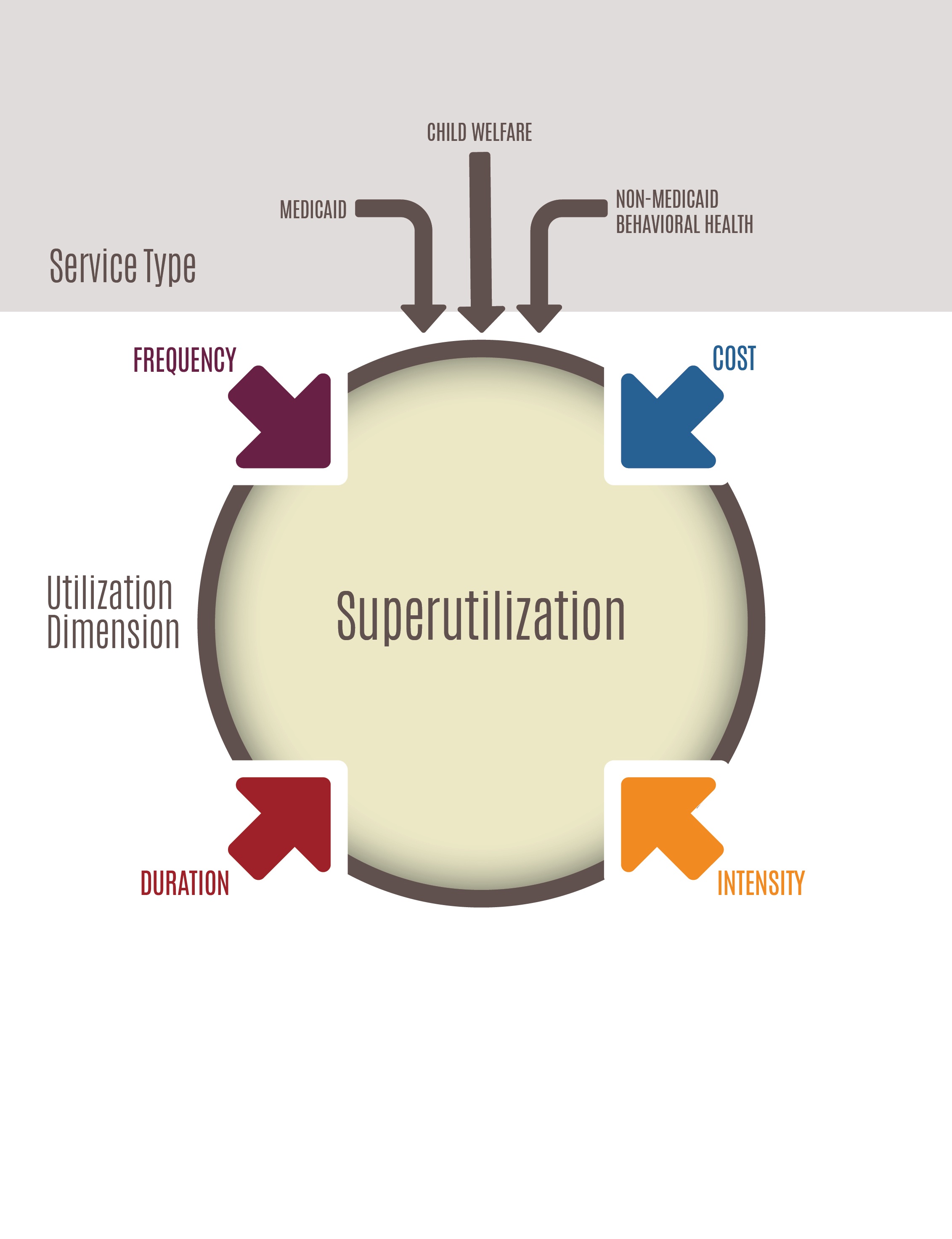
A study of high service users among youth in foster care in Tennessee and Florida using linked Medicaid and child welfare data.
Our 2018 signature report explores how communities are building hope for children and families though innovation, knowledge and shared commitment.
This brief highlights considerations for child welfare agencies as they engage in predictive analytics.
Explore best strategies for recruiting and retaining tribal foster families to help American Indian and Alaska Native children thrive in their culture.

Dr. William C. Bell testified before the U.S. Senate Committee on Health, Education, Labor and Pensions regarding the nation’s opioid epidemic and its impact on children and families.
Hotline systems provide the first contact between the public and the child protection agency; this strategy brief outlines key elements.
Parental rights restoration is an option for some youth when parents have addressed the issues that led to the termination of their rights.
Given the high rate of psychotropic medication use by youth in out-of-home care, it is vital to establish effective oversight plans.