How Oregon DHS engages community in Continuous Quality Improvement
This map tool helps public agencies, like Oregon DHS, engage their constituents to tailor services to the needs of individual communities.

Learn from a study examining the crossover between the child welfare and child support systems, and how it impacts child welfare outcomes.
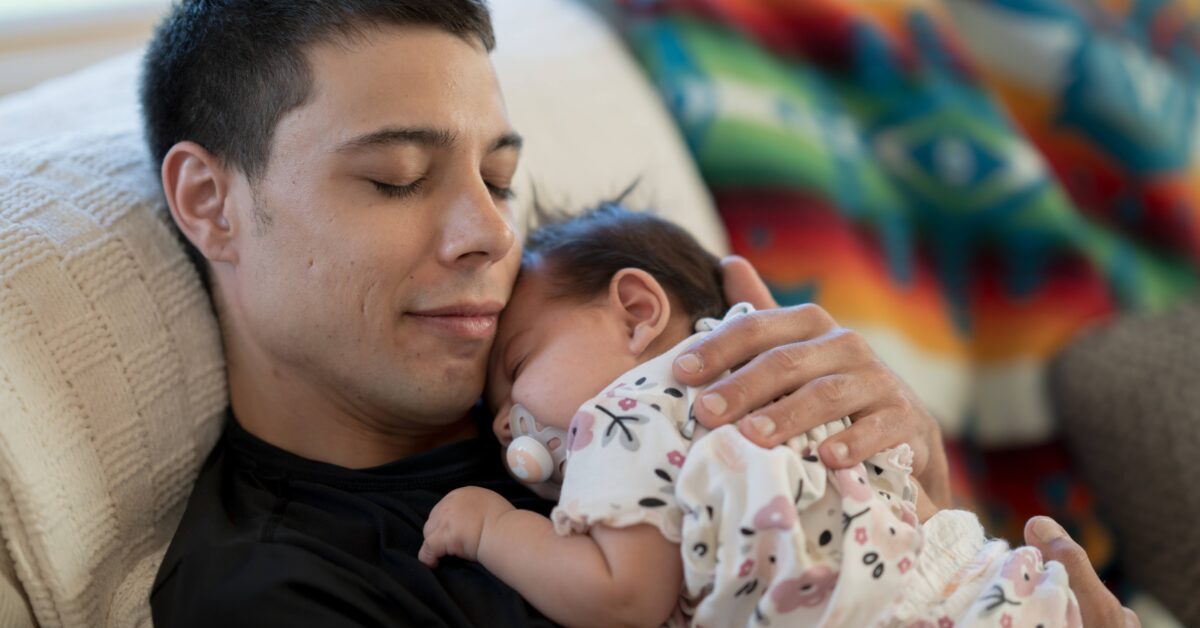
Learn from a study that compares permanency outcomes for families with and without Infant-Toddler Court Team involvement.
This map tool helps direct service providers to better understand the neighborhoods where their clients live and support families.

Explore data about state approaches, children in care, and how money is invested in foster care vs. preventive and permanency services.
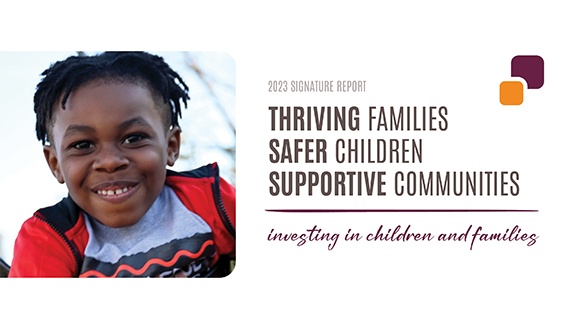
Learn how communities are engaging effectively with lived experience, addressing the system and investing in families.

Explore the importance of placement stability for youth in care and the factors that can affect it.

Explore how the Crossover Youth Practice Model provides a coordinated approach to effectively serving crossover youth.

Learn how Connecticut DCF is making their work towards racial justice a key component of their department.

Learn how organizations, partners, and key stakeholders can assess their readiness to co-design with people with lived experience.
Explore these tools to help build Communities of Hope.
Sign up to receive resources and other information from Casey Family Programs. We will not share your information.


Resources
Do cost-recovery child support orders impact child welfare outcomes?Learn from a study examining the crossover between the child welfare and child support systems, and how it impacts child welfare outcomes.
Do Infant-Toddler Court Teams impact permanency outcomes for families?Learn from a study that compares permanency outcomes for families with and without Infant-Toddler Court Team involvement. How our San Antonio foster care staff used the Community Opportunity Map to support familiesThis map tool helps direct service providers to better understand the neighborhoods where their clients live and support families.
State DataExplore data about state approaches, children in care, and how money is invested in foster care vs. preventive and permanency services.
Thriving Families, Safer Children, Supportive CommunitiesLearn how communities are engaging effectively with lived experience, addressing the system and investing in families.
What impacts placement stability?Explore the importance of placement stability for youth in care and the factors that can affect it.
Is there an effective model for serving youth involved in both the child welfare and juvenile justice systems?Explore how the Crossover Youth Practice Model provides a coordinated approach to effectively serving crossover youth.
How is Connecticut’s Department of Children and Families working towards racial justice?Learn how Connecticut DCF is making their work towards racial justice a key component of their department.
How can organizations assess their readiness to co-design?Learn how organizations, partners, and key stakeholders can assess their readiness to co-design with people with lived experience. ToolsExplore these tools to help build Communities of Hope. Want to connect?Sign up to receive resources and other information from Casey Family Programs. We will not share your information.
Get involved
|