
What is the National START (Sobriety, Treatment, and Recovery Teams) Model?
Learn how the START model serves families dually affected by parental substance use disorder and involved in the child welfare system.
Learn how the START model serves families dually affected by parental substance use disorder and involved in the child welfare system.

When substance use disorder treatment programs recognize the importance of family, successful recovery and reunification often can follow.

This journal article summary challenges child welfare leaders to reexamine protocols for identifying substance-exposed infants.

Several child welfare jurisdictions are employing strategies that reduce their foster care populations without compromising child safety.
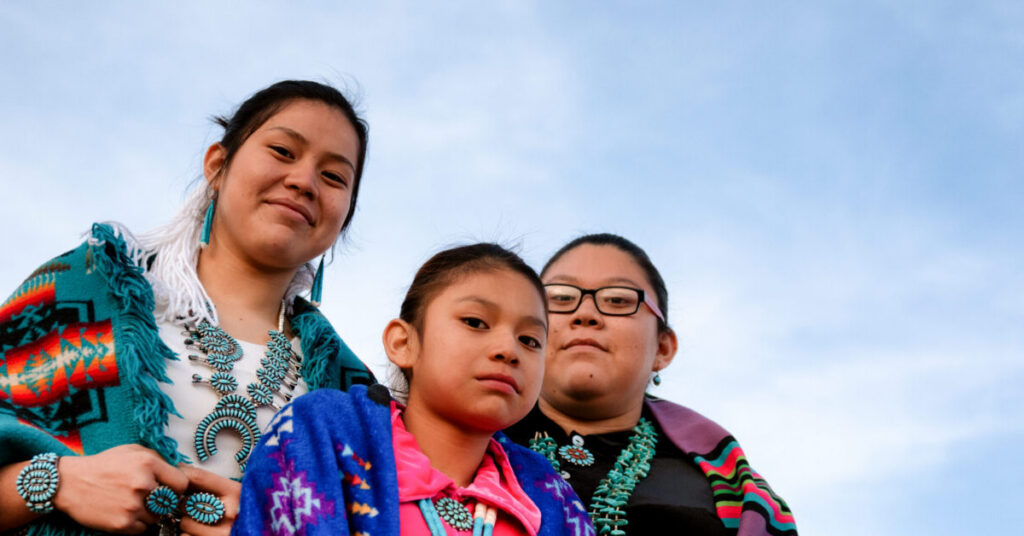
Osage Nation’s Indian Child Welfare program prioritizes prevention strategies that maintain family integrity and respect tribal values.

Learn how New York City is transforming its mandated reporting policies to better support children and families.

Learn how California is transforming the state’s mandated reporting policies to better support children and families.

Explore the roles that child protection agencies have in connecting families to services that address homelessness and housing instability.

Explore how helplines can proactively connect families to services and prevent unnecessary involvement in the child welfare system.

Explore strategies underway in three jurisdictions for reforming mandated reporting through updated education and training.

A commitment to a kin-first culture means the world to families in Pennsylvania.

Thanks to Kinnect, Theo was placed with fictive kin and is connected to his siblings and extended family.

Family preservation
What is the National START (Sobriety, Treatment, and Recovery Teams) Model?Learn how the START model serves families dually affected by parental substance use disorder and involved in the child welfare system.
How do family-based residential treatment programs help reduce substance use and improve child welfare outcomes?When substance use disorder treatment programs recognize the importance of family, successful recovery and reunification often can follow.
Can a novel approach in identifying substance-exposed infants reduce unnecessary child welfare contact?This journal article summary challenges child welfare leaders to reexamine protocols for identifying substance-exposed infants.
How are some states and counties safely reducing foster care?Several child welfare jurisdictions are employing strategies that reduce their foster care populations without compromising child safety.
How has Osage Nation done “whatever it takes” to keep children safe within their families and community?Osage Nation’s Indian Child Welfare program prioritizes prevention strategies that maintain family integrity and respect tribal values.
How is New York City transforming its approach to mandated reporting?Learn how New York City is transforming its mandated reporting policies to better support children and families.
How is mandated reporting being transformed in California?Learn how California is transforming the state’s mandated reporting policies to better support children and families.
How does homelessness and housing instability impact families involved with child welfare?Explore the roles that child protection agencies have in connecting families to services that address homelessness and housing instability.
How do helplines support children and families?Explore how helplines can proactively connect families to services and prevent unnecessary involvement in the child welfare system.
What are examples of updated mandated reporter education, training, and tools?Explore strategies underway in three jurisdictions for reforming mandated reporting through updated education and training.
Raising hope in Allegheny CountyA commitment to a kin-first culture means the world to families in Pennsylvania.
Knowing your rootsThanks to Kinnect, Theo was placed with fictive kin and is connected to his siblings and extended family. Get involved
|