
How does North Dakota’s ICWA Family Preservation Program help Native American families stay safely together?
Family preservationists work with the child welfare system to support ICWA compliance and preserve family, community, and cultural ties.
Family preservationists work with the child welfare system to support ICWA compliance and preserve family, community, and cultural ties.

Learn about strategies for implementing Plans of Safe Care for infants with prenatal substance exposure.
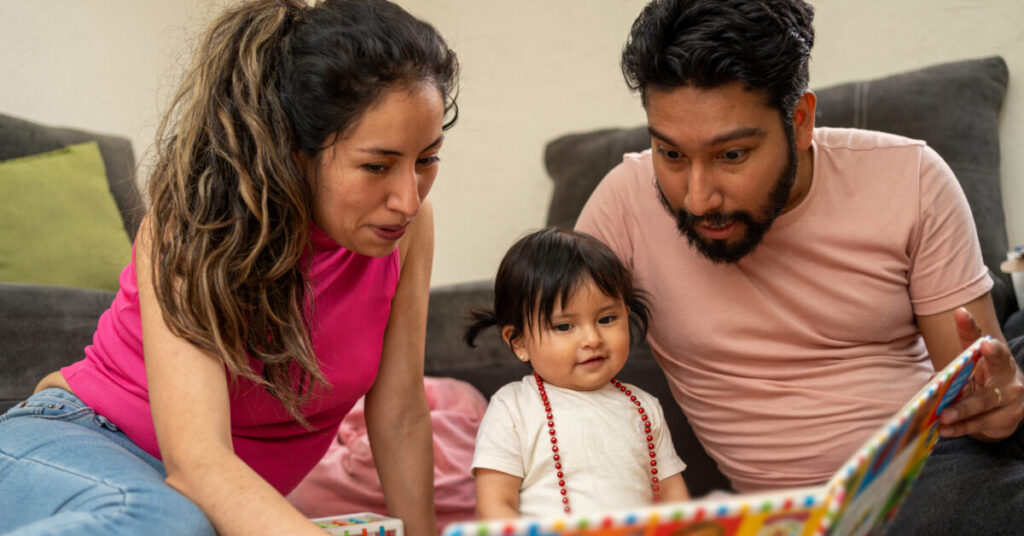
The Success Coach program offers flexible support to keep families together after permanency has been achieved.

Lived experts offer insights on permanency and recommend strategies aimed at strengthening children’s connection to family.

When substance use disorder treatment programs recognize the importance of family, successful recovery and reunification often can follow.

This page has resources that describe parent partner programs, illustrate their impact, and offer implementation considerations.

Many reasons exist for child protection agencies and faith-based organizations to serve together to keep children safe and families strong.

Key partnership strategies continue to evolve from a focus on foster care and adoption to prevention-oriented and family-support efforts.
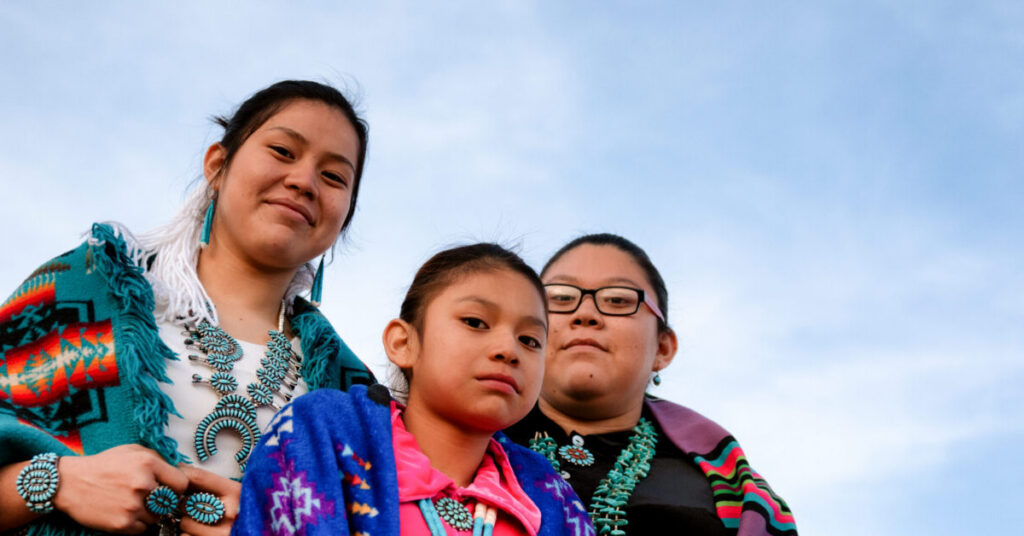
Osage Nation’s Indian Child Welfare program prioritizes prevention strategies that maintain family integrity and respect tribal values.

This self-assessment tool and related resource list help child protection agencies support children and families affected by FASD.

Child welfare professionals play a key role in meeting the needs of children and families affected by fetal alcohol spectrum disorders.

Guardianship helps reduce the need for foster care while keeping children safely connected to their extended families.

Birth family engagement
How does North Dakota’s ICWA Family Preservation Program help Native American families stay safely together?Family preservationists work with the child welfare system to support ICWA compliance and preserve family, community, and cultural ties.
How can Plans of Safe Care help infants and families affected by substance abuse?Learn about strategies for implementing Plans of Safe Care for infants with prenatal substance exposure.
How does Success Coach support North Carolina families after permanency?The Success Coach program offers flexible support to keep families together after permanency has been achieved.
How do individuals with lived experience of child welfare define permanency?Lived experts offer insights on permanency and recommend strategies aimed at strengthening children’s connection to family.
How do family-based residential treatment programs help reduce substance use and improve child welfare outcomes?When substance use disorder treatment programs recognize the importance of family, successful recovery and reunification often can follow.
Parent partners: the power of peer supportThis page has resources that describe parent partner programs, illustrate their impact, and offer implementation considerations.
Why should child protection agencies and faith-based organizations partner to support children and families?Many reasons exist for child protection agencies and faith-based organizations to serve together to keep children safe and families strong.
How can child protection agencies and faith-based organizations work together to meet family needs?Key partnership strategies continue to evolve from a focus on foster care and adoption to prevention-oriented and family-support efforts.
How has Osage Nation done “whatever it takes” to keep children safe within their families and community?Osage Nation’s Indian Child Welfare program prioritizes prevention strategies that maintain family integrity and respect tribal values.
Which resources can help strengthen agency responses to fetal alcohol spectrum disorders?This self-assessment tool and related resource list help child protection agencies support children and families affected by FASD.
How can child protection agencies better address fetal alcohol spectrum disorders?Child welfare professionals play a key role in meeting the needs of children and families affected by fetal alcohol spectrum disorders.
How can guardianship support permanency and well-being?Guardianship helps reduce the need for foster care while keeping children safely connected to their extended families. Get involved
|