
What do we know about wellness in child welfare organizations?
When child welfare leaders nurture their own well-being, they are better able to foster a wellness-centered work culture for staff.
When child welfare leaders nurture their own well-being, they are better able to foster a wellness-centered work culture for staff.

Leaders share workplace wellness strategies that support positive staff performance and improve service delivery for children and families.

This journal article summary challenges child welfare leaders to reexamine protocols for identifying substance-exposed infants.

Several child welfare jurisdictions are employing strategies that reduce their foster care populations without compromising child safety.

Recent federal policy changes require states to support kinship caregivers by streamlining approvals and ensuring fair financial assistance.

Many reasons exist for child protection agencies and faith-based organizations to serve together to keep children safe and families strong.

Key partnership strategies continue to evolve from a focus on foster care and adoption to prevention-oriented and family-support efforts.
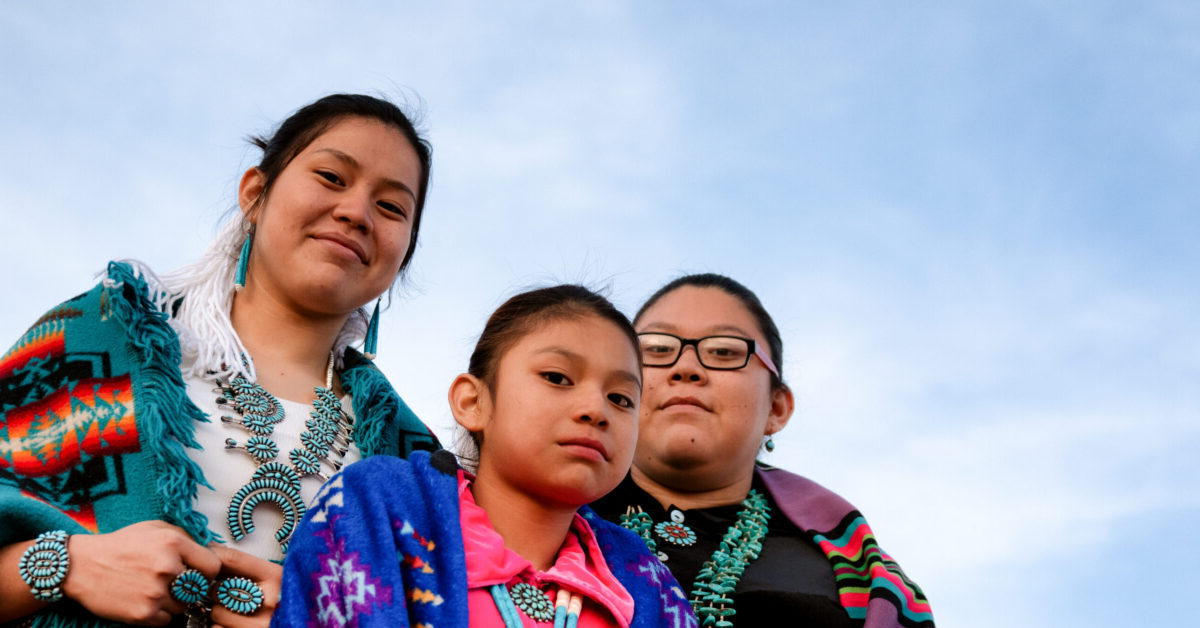
Osage Nation’s Indian Child Welfare program prioritizes prevention strategies that maintain family integrity and respect tribal values.

Learn how several jurisdictions are leveraging the Family First Prevention Services Act to serve families through community organizations.

Questions from the field
What do we know about wellness in child welfare organizations?When child welfare leaders nurture their own well-being, they are better able to foster a wellness-centered work culture for staff.
How can leaders center workforce wellness in child protection agencies?Leaders share workplace wellness strategies that support positive staff performance and improve service delivery for children and families.
Can a novel approach in identifying substance-exposed infants reduce unnecessary child welfare contact?This journal article summary challenges child welfare leaders to reexamine protocols for identifying substance-exposed infants.
How are some states and counties safely reducing foster care?Several child welfare jurisdictions are employing strategies that reduce their foster care populations without compromising child safety.
How have home study and licensure requirements for kinship caregivers been simplified?Recent federal policy changes require states to support kinship caregivers by streamlining approvals and ensuring fair financial assistance.
Why should child protection agencies and faith-based organizations partner to support children and families?Many reasons exist for child protection agencies and faith-based organizations to serve together to keep children safe and families strong.
How can child protection agencies and faith-based organizations work together to meet family needs?Key partnership strategies continue to evolve from a focus on foster care and adoption to prevention-oriented and family-support efforts.
How has Osage Nation done “whatever it takes” to keep children safe within their families and community?Osage Nation’s Indian Child Welfare program prioritizes prevention strategies that maintain family integrity and respect tribal values.
How are jurisdictions building community pathways to prevention services through Family First?Learn how several jurisdictions are leveraging the Family First Prevention Services Act to serve families through community organizations. Get involved
|