How do jurisdictions ensure that youth in care receive the academic credits they have earned when they move?
This information packet provides guidance on how to help youth in foster care keep their academic credits when they have to change schools.
This information packet provides guidance on how to help youth in foster care keep their academic credits when they have to change schools.
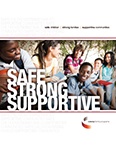
Casey Family Programs is the nation’s largest operating foundation focused on safely reducing the need for foster care and building Communities of Hope for children and families in the United States. This brochure describes our work with partners, summarizes our Building Communities of Hope framework and provides an overview of our history.
A Spanish-language version — Seguros, Fuertes, Unidas — is also available.
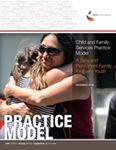
This practice model outlines strategies and interventions that advance Casey Family Programs’ focus on permanency for youth.

Casey Family Programs has a long history of working with American Indian and Alaska Native tribes to improve the well-being of their children and families. This brochure describes our work.
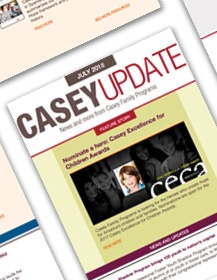
Get the latest child welfare insights and information with our email updates and announcements.
Hotline systems provide the first contact between the public and the child protection agency; this strategy brief outlines key elements.
Parental rights restoration is an option for some youth when parents have addressed the issues that led to the termination of their rights.
Given the high rate of psychotropic medication use by youth in out-of-home care, it is vital to establish effective oversight plans.

Title IV-E waiver projects demonstrate effective interventions, not just foster care.
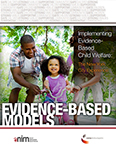
This report describes the New York City Administration for Children’s Services experience incorporating 11 evidence-based and evidence-informed practice models into its continuum of preventive services.