Community-Based Family Support: Exemplars with Implementation and Evaluation Strategies
This brief examines the need for community-based initiatives, lessons learned on implementation, and promising evaluation strategies.
This brief examines the need for community-based initiatives, lessons learned on implementation, and promising evaluation strategies.
This fact sheet provides information, including tips on scholarships and financial aid, that can help youth continue their education.
Our 2016 signature report marks Casey Family Programs’ 50th anniversary and reflects on the urgent need for a collective effort to build Communities of Hope.
To achieve equity and lasting change, we need to ask what we’re willing to confront, says Dr. William C. Bell.
This Supporting Success supplement offers resources for postsecondary education professionals working to support students from foster care.
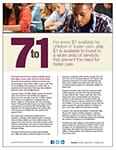
Transforming child welfare begins with more effective investments.
This report describes the development of a fidelity measurement tool for Signs of Safety® — an approach to assessing safety and risk in child protective services.
This two-page overview explains the utility of using geographic analysis techniques and mapping in child welfare.
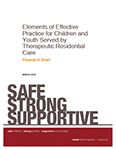
This brief summarizes research on effective practices for children and youth referred to therapeutic residential care.
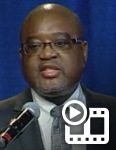
In honor of Martin Luther King Jr. Day, Dr. William C. Bell addresses the community of Tacoma, Washington, urging listeners to have a bold, “mountaintop” vision like Dr. King.